Luxury Giants Gucci Balenciaga and McQueen Hit by Massive Cyberattack
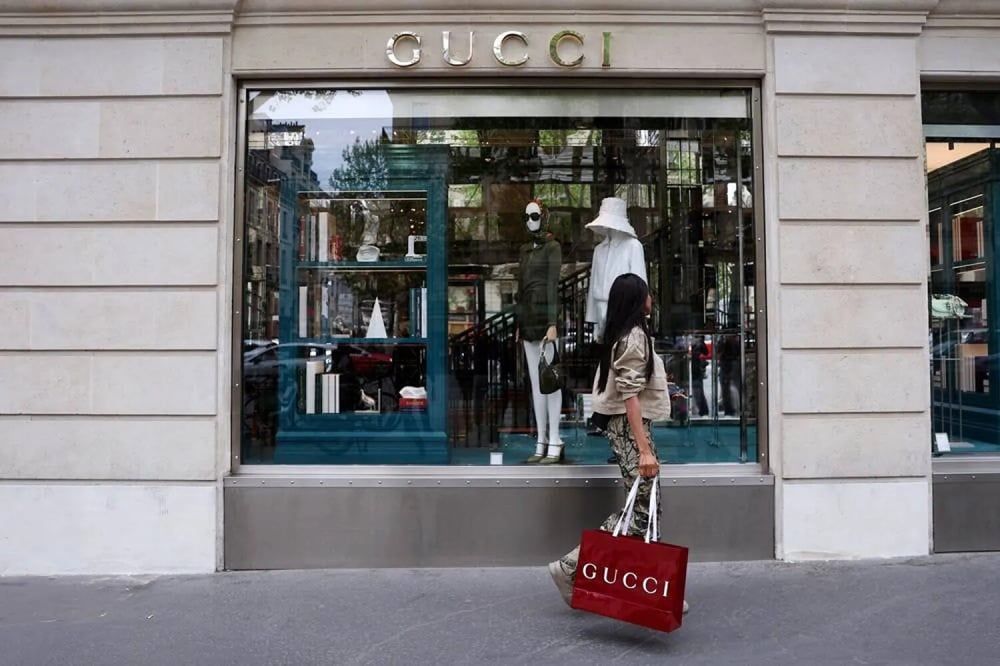
Luxury fashion brands Gucci, Balenciaga, and Alexander McQueen have reportedly been affected by a significant cyberattack, leading to the theft of private details from potentially millions of their customers. According to a report by the BBC, the sophisticated breach targeted their French parent company, Kering, impacting its internal systems and customer data.
Kering has since confirmed the security incident in a statement, acknowledging that in June, "an unauthorized third party gained temporary access to our systems and accessed limited customer data from some of our Houses." While the company did not explicitly name the affected brands in its official confirmation, the BBC report specifically cited Gucci, Balenciaga, and Alexander McQueen as being compromised.
This incident appears to be part of a broader series of cyberattacks that have recently plagued global luxury brands and retailers. Other prominent examples include breaches at Richemont’s Cartier and several labels under the luxury conglomerate LVMH. Notably, in July, Hong Kong’s privacy watchdog initiated an investigation into a data leak involving approximately 419,000 customers of LVMH’s Louis Vuitton.
The BBC report further detailed the nature of the information stolen in the Kering breach, indicating that client data includes sensitive personal details such as names, email addresses, phone numbers, home addresses, and records of total amounts spent in-store. However, Kering has reassured customers that no financial information, such as credit card numbers or bank account details, was compromised during the incident.
The hackers, who identified themselves to the BBC as "Shiny Hunters," claimed to possess data linked to an extensive 7.4 million unique email addresses. In response to the breach, Kering stated that its affected brands immediately reported the incident to the appropriate authorities and have begun notifying customers in accordance with local regulations. When questioned by Reuters, the company declined to specify which particular countries or regions were impacted by the data theft.