Luxury Giants See Glimmers of Hope in China But Remain Cautious
Europe's leading luxury companies, including industry giants like LVMH, Hermes, and L'Oreal, are observing tentative signs of a potential revival in the crucial Chinese market. After a challenging two-year slump, which significantly impacted the $400 billion global luxury sector that traditionally sees China accounting for approximately a third of its sales, there are now glimmers of hope. Chinese consumers, known for their enthusiastic embrace of brands from Louis Vuitton to Birkin bags both domestically and abroad, have been central to this market. However, despite the emerging positives, these companies remain notably cautious about definitively declaring a turnaround, as China continues to navigate economic headwinds such as a prolonged property downturn, trade tensions, and projected slower economic growth.
The recent optimism was largely ignited by LVMH's more upbeat sales report, which spurred an impressive $80 billion rally in luxury shares. LVMH, the most bullish among its peers so far, confirmed that its mainland China sales turned positive for the first time this year, signaling stabilization with mid-to-high single-digit local growth. LVMH Chief Financial Officer Cecile Cabanis noted a "very steep improvement" in China sales for Vuitton, along with better performances for Dior and Sephora, while Chinese tourist spending saw a less severe decline. Additionally, there were early signs of restocking for its cognac brand VSOP, further contributing to the encouraging outlook.
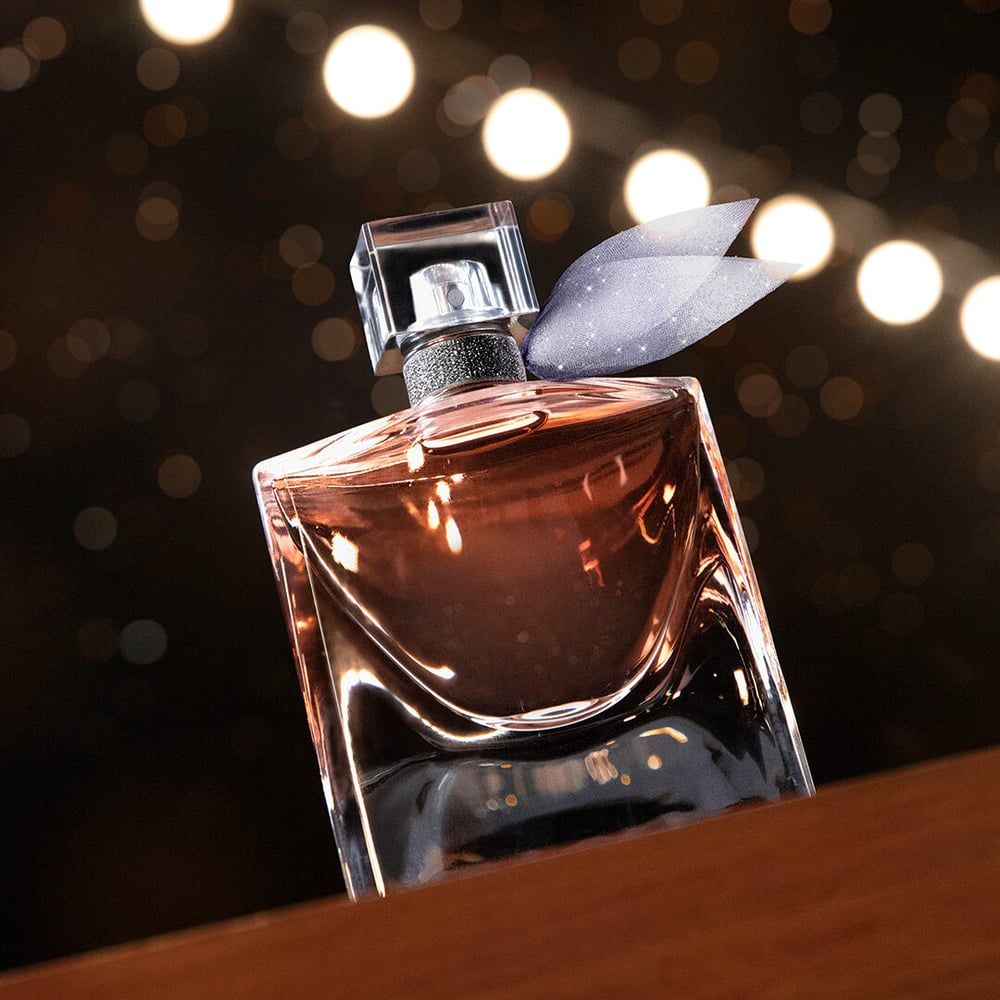
However, the broader picture from other luxury companies remains mixed. L'Oreal's chief executive, Nicolas Hieronimus, expressed caution despite the company reporting its first China growth in two years. He emphasized, "I'm always very careful about China because one quarter doesn't make a trend." While L'Oreal's luxury division, encompassing high-end brands like Lancome and Helena Rubinstein, was the key growth driver, Hieronimus advised against over-excitement given China's tough economic conditions, pinpointing the upcoming Singles Day shopping festival on November 11 as a critical indicator for year-end performance.
Similarly, French luxury goods group Hermes reported a "very slight improvement" in China, although its third-quarter sales fell below expectations, causing a dip in its shares. Eric du Halgouet, Hermes' executive vice-president Finance, highlighted "more dynamic activity" during the important October Golden Week holiday in Mainland China, alongside a marginal improvement in foot traffic driven by a focus on higher-value products such as watches and jewelry. While acknowledging these as encouraging signs, du Halgouet reiterated the need for caution, citing the continued complexity of the economic environment despite some positive signals like stock market evolution and real estate market stabilization in major cities.
The underlying economic challenges in China persist, including a complex real estate market and high unemployment, which temper the optimism. This nuanced recovery appears to be skewed towards high-end luxury, potentially limiting benefits for more mainstream luxury and consumer product companies. These businesses face additional pressure as Chinese consumers tighten their belts and increasingly favor local brands amidst general economic uncertainty. Deutsche Bank, in a research note, pointed out that companies like L'Oreal might see limited upside in China due to waning credit growth and growth being concentrated in specific provinces, suggesting a fragmented recovery rather than a widespread rebound. Luxury leaders, while heartened by recent positive indicators, collectively anticipate that a full and sustained rebound across China will take considerable time.