Luxury Market Shows Signs of Life But Investors Beware of Overly Ambitious Expectations
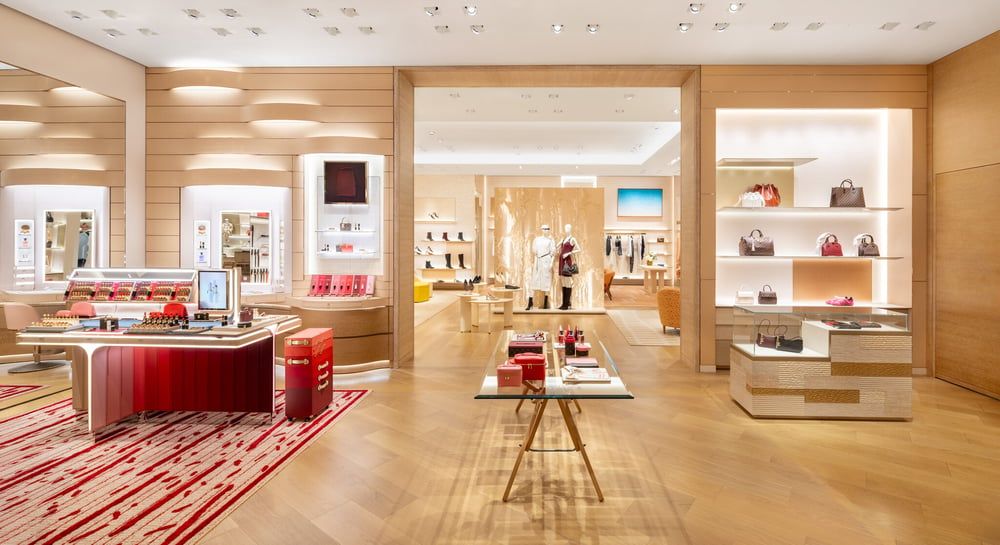
The luxury market, while not fully restored to its pre-downturn exuberance, is undeniably showing significant signs of recovery. This optimistic outlook comes directly from LVMH Moet Hennessy Louis Vuitton SE, the global leader in high-end goods. However, a note of caution is warranted, as investors who previously overly penalized the sector might now be anticipating a "bling bonanza" that could prove to be overly ambitious.
LVMH recently reported a 1% organic sales increase for the third quarter ending September 30, marking its first revenue growth this year. The crucial fashion and leather goods division, while still seeing a 2% decline in organic sales, significantly outperformed analyst expectations of a 3.5% drop and represented a substantial improvement from the 9% slump experienced in the second quarter. This positive news led to LVMH shares surging as much as 14% in early trading, signaling that the worst may be behind the luxury sector.
The resurgence in luxury demand is partly driven by a recovery in the US market, which has bounced back since April. Initially, wealthy shoppers curbed spending due to a combination of rising handbag prices and slumping stock markets following US tariffs. With equities now robust, American consumers are increasing their purchases, including champagne, beyond mere stockpiling. Concurrently, China, another key growth engine, is stabilizing, with mainland sales of designer apparel and accessories turning positive in the third quarter.
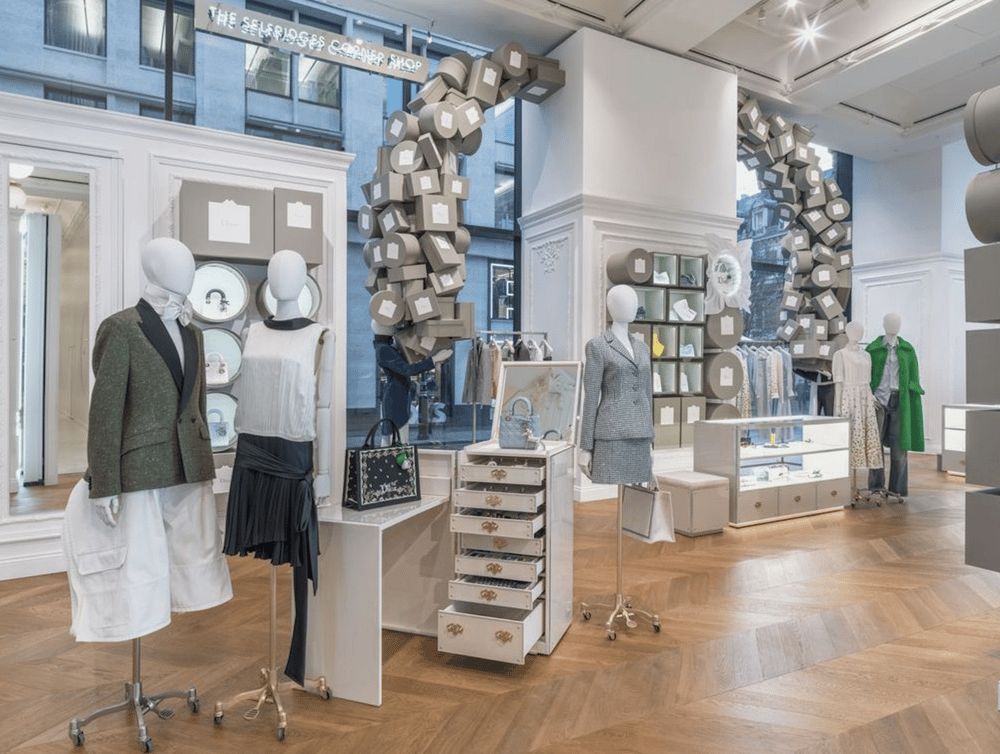
Beyond favorable comparisons to challenging conditions a year ago, LVMH's strategic initiatives are yielding results. "The Louis," a ship-shaped store in Shanghai, is not only a tourist attraction but is also boosting luggage sales. Furthermore, fresh creative talent, including new designers at LVMH's Dior and Celine brands, is re-igniting excitement within the fashion world. These improvements are driven by genuine consumer purchases, not solely price hikes, explaining why luxury stocks have seen a rebound, with LVMH's shares climbing almost 24% over the past six months.
Earlier in the year, luxury stocks were arguably oversold amidst fears that "greedflation" and brand strategies had permanently dented demand. However, just as investors were overly pessimistic then, they might now be getting ahead of themselves. Most new fashion products showcased on runways, with a few exceptions like Demna Gvasalia’s initial collection for Kering SA’s Gucci and LVMH’s Celine, won't be available until early next year. Moreover, sales in the upcoming months will be compared against the robust final quarter of 2024, which saw a surge in demand for items like Cartier watches and Burberry scarves following the US election.
Several potential headwinds could dampen the current enthusiasm. A return of trade tensions, recent volatility in stock and cryptocurrency markets leading to a deeper rout, or an uptick in US unemployment could all undermine top-end spending. The most significant factor influencing the sustainability of this luxury revival remains China. While LVMH reports mid-to-high single-digit percentage growth in domestic sales to Chinese shoppers, their more extravagant spending abroad continues to experience a double-digit decline.
Even if a recovery takes firm hold, its benefits may not be evenly distributed across the industry. LVMH, with its immense scale, is well-positioned to be a primary beneficiary. The conglomerate boasts two of the most talked-about new designers, Jonathan Anderson at Dior and Michael Rider at Celine, and recently announced Maria Grazia Chiuri as the new creative director for Fendi. Its marketing prowess, as evidenced by "The Louis" in Shanghai, allows it to stay at the forefront of consumer minds.
Rival Kering’s turnaround largely hinges on Gucci designer Demna, who has made a promising start but needs to build on this initial success. Meanwhile, companies that thrived during a period dominated by jewelry and understated fashion might not perform as strongly in a broader revival. Hermes International SCA, for instance, often excels in tough times due to insatiable demand for its iconic bags like the Birkin and Kelly, exceeding its production capacity. However, these very production constraints also limit its ability to significantly increase sales during boom periods. Richemont, too, benefited from the jewelry trend, as handbag price hikes made "baubles" seem like better value. Yet, a return to more moderate price increases for leather goods, coupled with creative overhauls across the sector, will intensify competition for jewelry brands.
For now, top-end demand appears brighter than it has in two and a half years, excluding the brief post-election boom. However, as anyone familiar with the latest trends knows, fashion is notoriously fickle. Luxury investors will be hoping that this nascent recovery represents the beginning of an enduring trend rather than a short-lived, dopamine-driven spike that quickly fades away.