Luxury Rethinks Strategy Amid Global Slowdown and Tech Surge
The global luxury market is experiencing its first significant slowdown in several years, a suggestion reinforced by a recent Luxurynsight study covering the first half of 2025. Analyzing over 100 brands and more than 10,000 activations, the report points to a 1% contraction in the personal luxury goods market in 2024, reaching €364 billion. This shift is attributed to a challenging macroeconomic environment, new US tariff policies, more cautious consumer spending, a revolving door of creative directors, and the rapid ascent of new technologies.
In response, luxury brands are undergoing a profound strategic reorientation. The focus has decisively shifted from quantity to quality, from globalization to localization, and from merely offering a product to delivering an unforgettable experience. This recalibration is evident in their activation strategies: a 2% year-on-year reduction in volume, favoring more targeted, deeper, and higher-impact initiatives over broad global media campaigns. This quantitative pullback masks a qualitative step-up, emphasizing local and experiential engagement. The different luxury segments are aligning with this approach, with Perfumes & Cosmetics (P&C) leading activity at 44% of all activations, followed by Fashion & Leather Goods (32%) and Watches & Jewellery (24%).
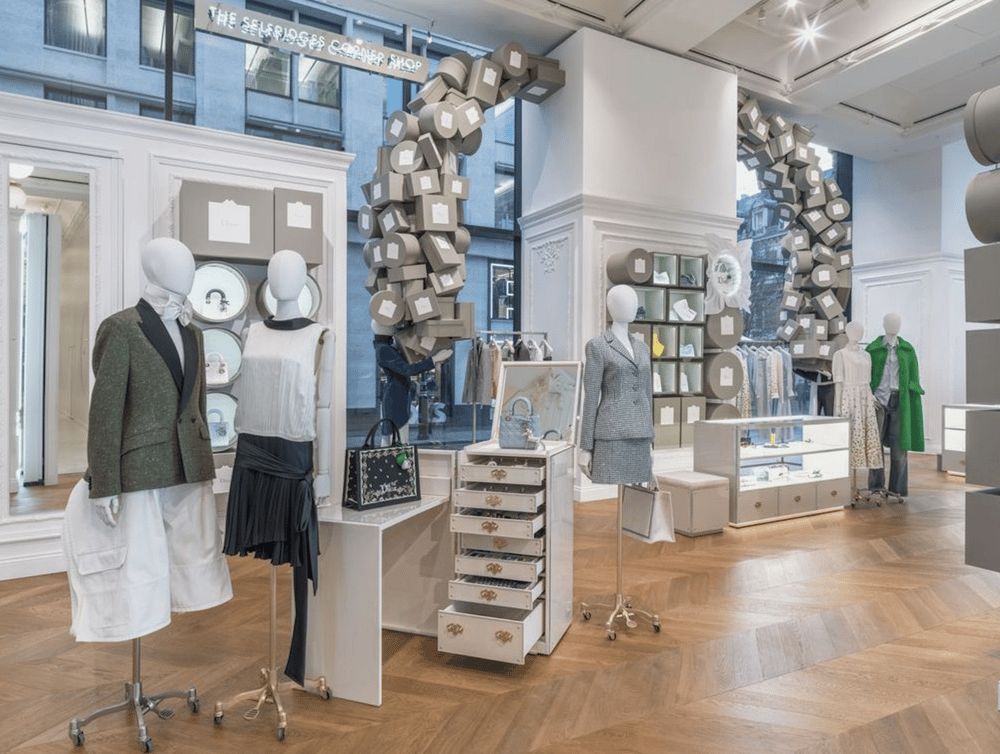
Experiential retail has become a cornerstone of brand strategy, with retail activations surging by 48% compared to the first half of 2024. Stores are transforming into cultural destinations designed to forge lasting emotional connections with customers. Notable examples include "The Louis" in Shanghai, a multi-sensory Louis Vuitton space featuring a café, exhibitions, and VIP lounges, and the opulent Dior Gold House in Bangkok. In China, the trend leans towards fewer but larger, more ambitious flagships capable of attracting both the general public and Very Important Clients (VICs), who are projected to be the primary growth drivers by 2027. Beyond retail, brands are also reinforcing relevance by banking on activations tied to local scenes, such as leveraging the Fête de la Musique to authentically connect with local culture and younger, connected audiences. This quest for cultural resonance extends to events like Milan Design Week, where Louis Vuitton and The Row launched tableware collections, expanding their brand universe from the runway to the living space and reaching new affluent demographics.
The pressure on purchasing power also signals a normalization in luxury pricing after the significant increases observed post-Covid. Luxurynsight reports that the average price of bags and leather goods rose by just 1.2% year-on-year in H1 2025. Regional variations exist, with more marked increases in Japan (1.9%) to offset the weak yen. Simultaneously, there's a trend towards closer ties between luxury fashion and jewellery, with brands extending their offerings to more exclusive, higher-margin pieces. Dior, with its gem-set lipstick pendants, and Gucci, through its collaboration with Pomellato, aim to capture resilient demand from high-end customers who remain less susceptible to economic downturns.
The Perfumes & Cosmetics segment stands out as the only one to post growth, heavily relying on technology to stimulate demand. The personalized beauty market, forecast to reach €44 billion by FY2026, is a strategic priority. Brands are deploying generative AI, 3D, and data analytics to deliver ultra-personalized recommendations. L'Oréal’s partnership with NVIDIA for its Noli platform and Estée Lauder’s collaboration with Google Cloud exemplify this innovation race. The dual objective is to meet evolving consumer expectations and optimize acquisition costs, potentially yielding a 10% to 30% uplift in marketing ROI and a 5% to 15% increase in sales.
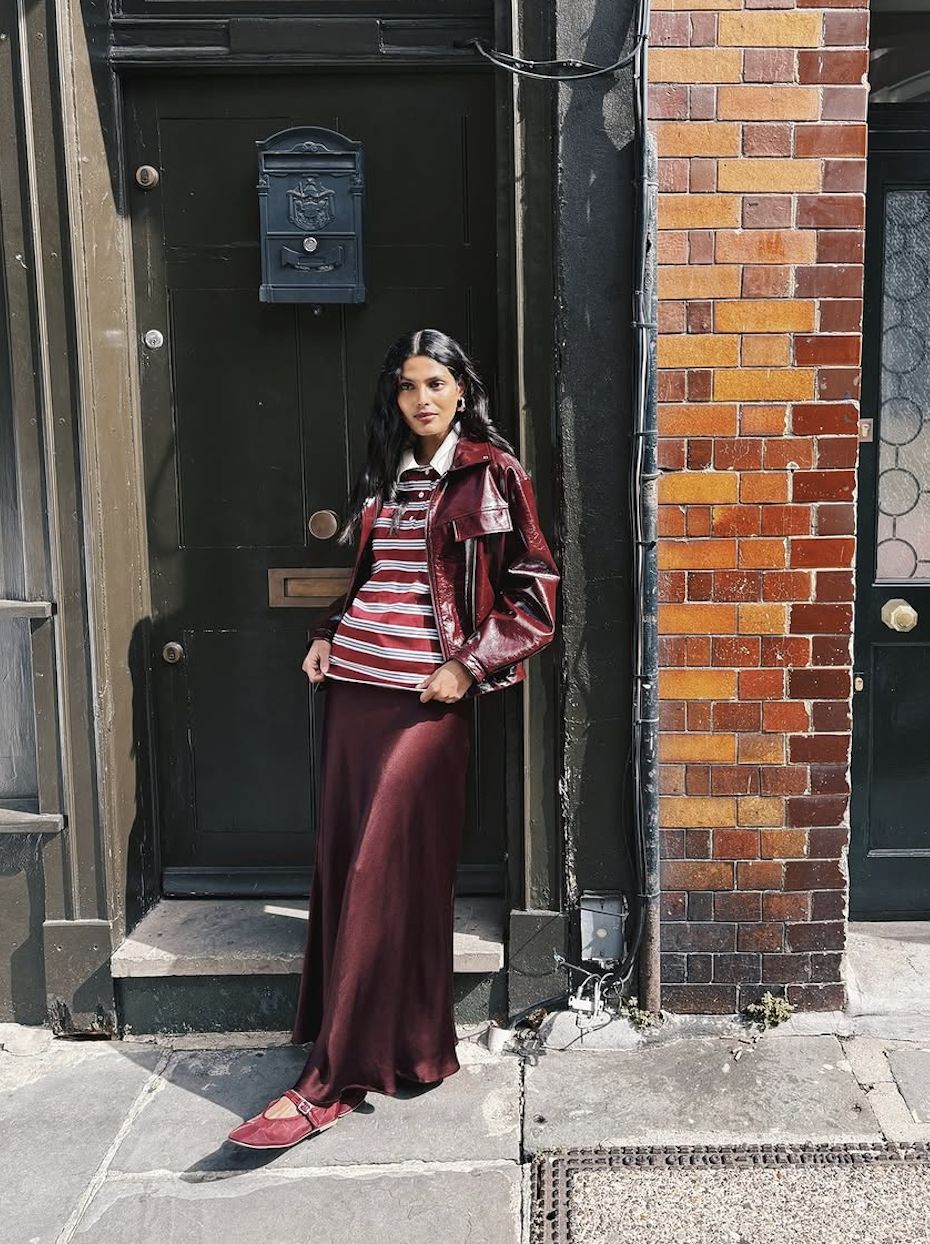
In the Fashion & Leather Goods sector, the turnover among creative directors has paradoxically contributed to renewed customer interest, a strategy that, despite past criticism, aims to reintroduce novelty and cultural relevance. Brands are striving to reconnect with Generations Z and Alpha, who are expected to constitute over 50% of the 300 million new luxury consumers in the next five years. Creatively, the sector is leaning into micro-trends that prioritize comfort, understated elegance, and a connection to sporting or equestrian heritage. Key trends highlighted by Luxurynsight include Golfcore Chic, blending preppy and athletic codes with 19% growth in Europe; Horse Girl Reclaiming, an equestrian elegance combining heritage and modern comfort, notably strong in China with a 9% increase in equestrian boots; and Summer at Lord's, inspired by vintage cricket for relaxed sophistication. These trends collectively illustrate a broader movement towards "soft luxury" or "quiet luxury," where perceived value resides in quality, authenticity, and lifestyle versatility rather than ostentatious logos.
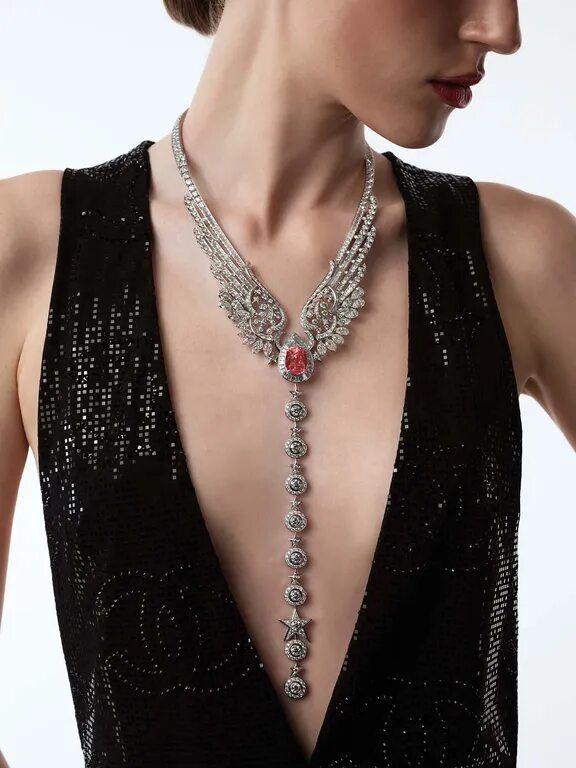
The Watches & Jewellery sector faced its own set of challenges, contending with the impact of 39% US tariffs on Swiss imports. For jewellery, additional pressure came from a strong Swiss franc and record gold prices. These factors led to a generalized, albeit varied, price increase in the US during Q2 2025, ranging from 2.5% to 6.9%. However, Haute Joaillerie is proving resilient, benefiting from sustained demand from the wealthiest customers for unique, handcrafted pieces. According to a BCG & Altagamma report, "top-tier" customers (0.1% of consumers) generate 23% of total luxury sales. Capturing this elite clientele has thus become a strategic imperative to stabilize revenues, explaining the launch of exceptional pieces and investments in flagships dedicated to fine jewellery.