Luxury Stocks Soar but Holiday Season Holds Key to Sustained Turnaround
A significant uplift in luxury stock valuations, with major players like Kering soaring 49% and LVMH rising 42% in recent months, is intensifying pressure on fashion houses to demonstrate that third-quarter recovery signals can translate into a sustained turnaround during the critical holiday season. While a portion of this surge is attributed to a broader equity market rally, investors are also nurturing hopes that the $400 billion luxury sector is finally emerging from a two-year period of declining sales. Encouraging signs include some improvement in China, historically a primary growth engine, and positive sentiment generated by buzzy design debuts from newly appointed creative directors.
However, these nascent positive trends are tempered by ongoing uncertainties. New creative styles are not slated to reach retail shelves until next year, and the broader economic recovery in China remains a subject of considerable debate. Furthermore, consumer spending in another pivotal market, the United States, continues to be closely tied to a volatile stock market. These factors collectively elevate the stakes for the December holiday season, which, for some brands, can contribute as much as 30% of their annual sales. Industry experts voice caution, with Olivier Abtan of AlixPartners noting a "risk for the fourth quarter," citing China's continued quietness and the challenging comparison to last year's post-election bump in the US.
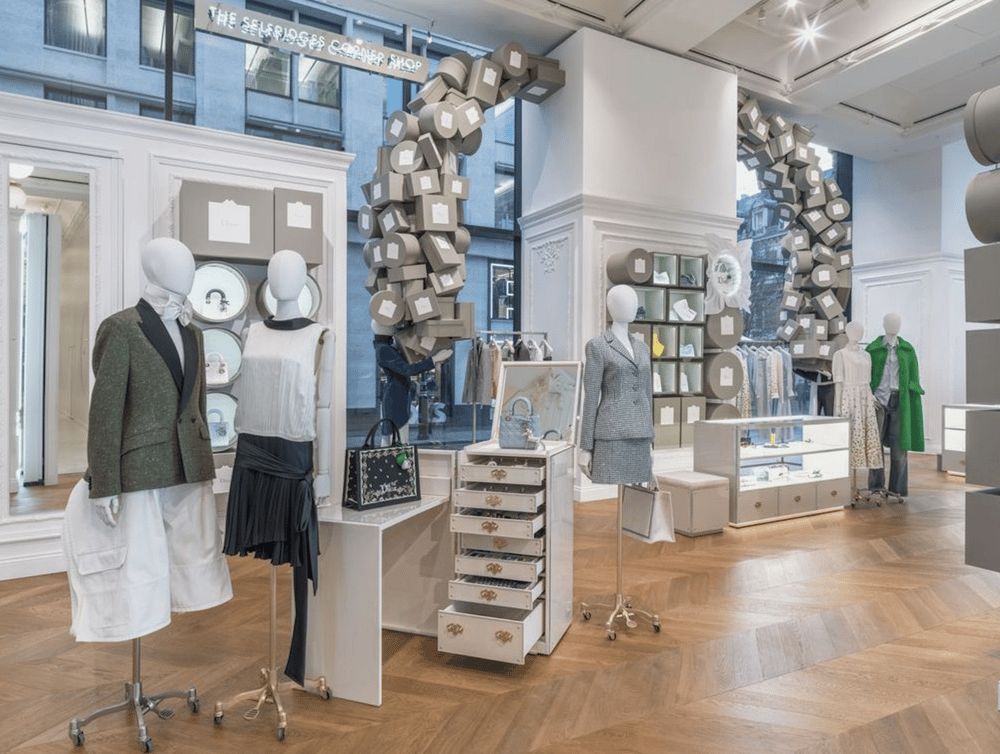
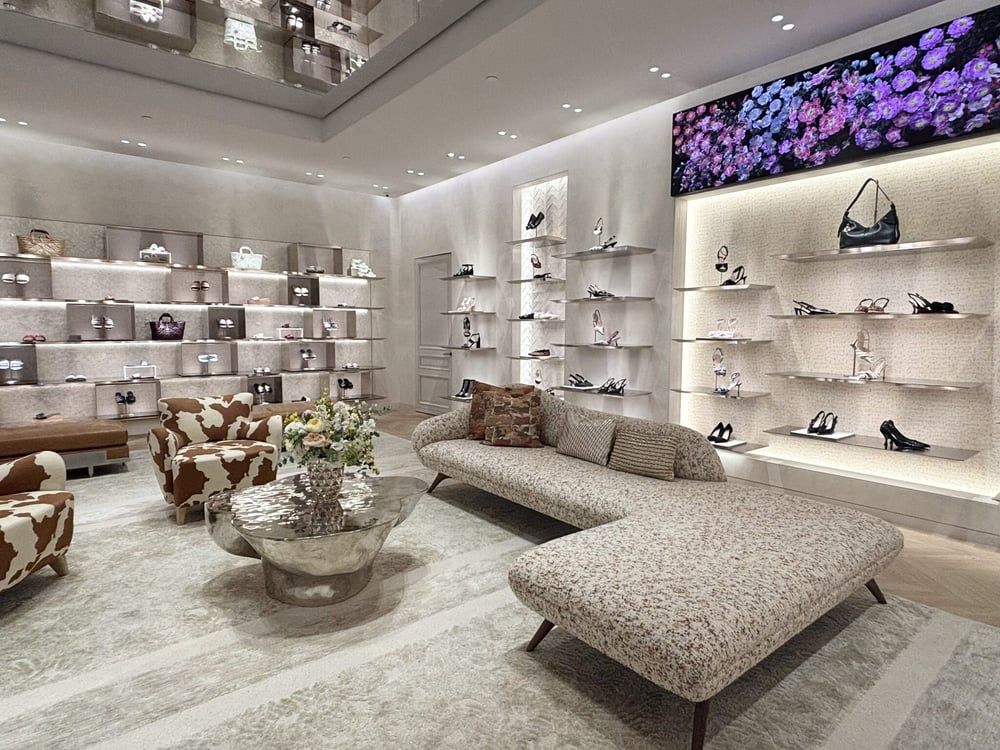
The prolonged downturn in the Chinese market has disproportionately affected brands with high exposure there, such as Burberry and Gucci, leading to significant corporate overhauls and leadership changes. Although Louis Vuitton reported positive sales growth in China during the third quarter, LVMH finance chief Cecile Cabanis acknowledged that economic conditions in the region remain challenging. Consequently, many luxury brands are pivoting their focus, exhibiting increased confidence in future US growth and actively expanding their footprint across the country. Examples include Hermes’ recent store openings in Scottsdale and Nashville, with more planned, and Dior’s inauguration of its first US spa on New York’s Madison Avenue.
Louis Vuitton's Fifth Avenue flagship store is also undergoing an extensive refurbishment, with a lavish temporary store opened nearby to maintain presence. Even luxury Parisian department store Printemps, which ventured into the US market this year with an upscale outpost in New York, has reported robust business in Paris, partly thanks to a strong influx of American tourists. Laetitia Henry, CEO of Printemps Haussmann, highlighted "double-digit growth rates since the summer" driven by international shoppers, particularly from the US and Gulf countries, underscoring the "strong buying power" of American clientele. Despite this, recent US credit card data from Citi indicates a 3% year-on-year decline in luxury spending for October, marking a retreat after three months of improvement, potentially influenced by government shutdown-induced consumer jitters. Analysts point out that LVMH, Zegna, Kering, and Richemont are among the luxury houses most reliant on the US market, while Burberry, Hermes, Moncler, and Prada have comparatively less exposure.
Beyond geographical strategies, luxury houses are heavily investing in new creative directions to re-engage consumers who may have been deterred by high prices. Gucci, which has lagged behind rivals in recent years, has proactively tested styles from its new creative director, Demna, in select stores even before his anticipated first runway show in February. This strategy appears to be yielding positive results, with Consumer Edge data showing Gucci's year-on-year spending in the three months to early October achieving its best performance relative to peers since early 2022. Similarly, Louis Vuitton generated significant buzz in late August with the launch of new refillable makeup products, including a lipstick priced at $160 – significantly higher than competitors like Hermes ($80) and Chanel ($50). HSBC analyst Erwan Rambourg explained the strategic thinking: "It doesn't really matter that it's the most expensive lipstick on the planet... What matters is it will bring people in," allowing sales associates to cross-sell other items like sneakers or small leather goods if the initial product creates "sticker shock."