Luxury Stocks Soar on Tariff Relief but Face Earnings Gauntlet
The recent surge in luxury goods makers' stock prices faces a critical examination this earnings season, as company valuations have returned to demanding levels. Following a challenging first half of the year, a key sector index has climbed 14% over the past two months. This "relief rally" was spurred by the realization that the impact of the Trump administration's tariffs was less severe for exporters than initially feared. This upward momentum now places significant pressure on these companies to deliver exceptional results, even as they navigate ongoing hurdles such as China's inconsistent economic recovery and the strengthening euro.
For nearly two years, the luxury sector has struggled with stagnant earnings and sales growth, largely due to a significant decline in demand from crucial markets like China, which had historically provided robust support. Analysts remain hesitant to predict a swift recovery, with data from Deutsche Bank AG suggesting that a substantial acceleration in sales for the sector is unlikely before the first quarter of 2026 at the earliest, as the industry continues to grapple with its post-pandemic slump.
As third-quarter earnings reports begin to emerge, starting with LVMH Moët Hennessy Louis Vuitton SE, the sector could benefit from easier year-earlier comparisons. However, the overall outlook remains uncertain. Buenyamin Ak, a research analyst at Flossbach von Storch AG, noted that "The recent rally does set the bar higher," adding, "I would expect that providing unquantifiable, loose hopes would lead to disappointing price reactions."
Europe's leading luxury sector has been particularly impacted by subdued demand from the vital Chinese market. Repeated optimistic forecasts for a rebound in this key growth driver have consistently failed to materialize. Recent data on Chinese factory activity indicated that economic sluggishness persisted through the end of the third quarter. Furthermore, the summer concluded with two of the weakest months for retail sales this year, and the recent Golden Week holiday reflected a continuation of subdued consumer spending.
Compounding these challenges, the euro has appreciated by 12% against the dollar this year. This poses a significant burden on the margins of luxury manufacturers, many of whom incur their costs in the common currency but generate the majority of their revenue from outside Europe.
For some analysts, these dual external pressures might serve as a necessary catalyst for companies to address more fundamental internal issues. Erwan Rambourg, an analyst at HSBC Holdings Plc, commented, "Weaker brands blame macroeconomics – tariffs, the China real estate market, geopolitical tensions – when the reality is more down-to-earth." He suggested that products had become excessively expensive, and there was a discernible "lack of innovation/creativity."
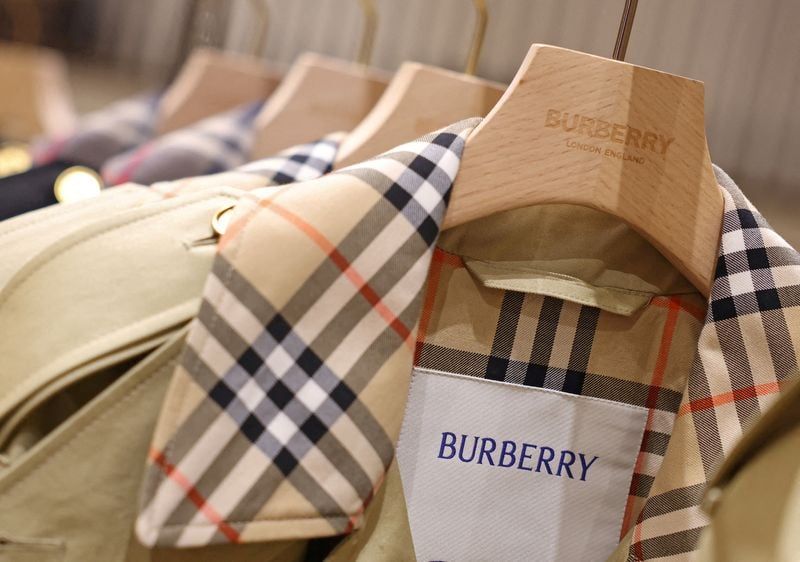
In response, investors have recently shown a preference for shares in companies actively confronting internal performance issues. Notable examples include Kering SA, the owner of Gucci, and UK fashion brand Burberry Group Plc, whose shares have surged by 27% and 21% respectively this year. Kering, after years of underperformance, achieved its best-ever quarterly stock gain driven by optimism that new CEO Luca de Meo will revitalize the Gucci brand. Similarly, Burberry's shares have experienced a recovery rally, fueled by early successes from CEO Joshua Schulman's strategy to refocus the brand on its British heritage and enhance promotion of its flagship outerwear products. Despite these positive market reactions, a tangible revival in sales and profits for both companies has yet to fully materialize. Sam Glover, a fund manager at EFG Asset Management, observed "some speculative buying in recent weeks, focused on companies with new creative leaders but where we have yet to see any real evidence of an earnings inflection."
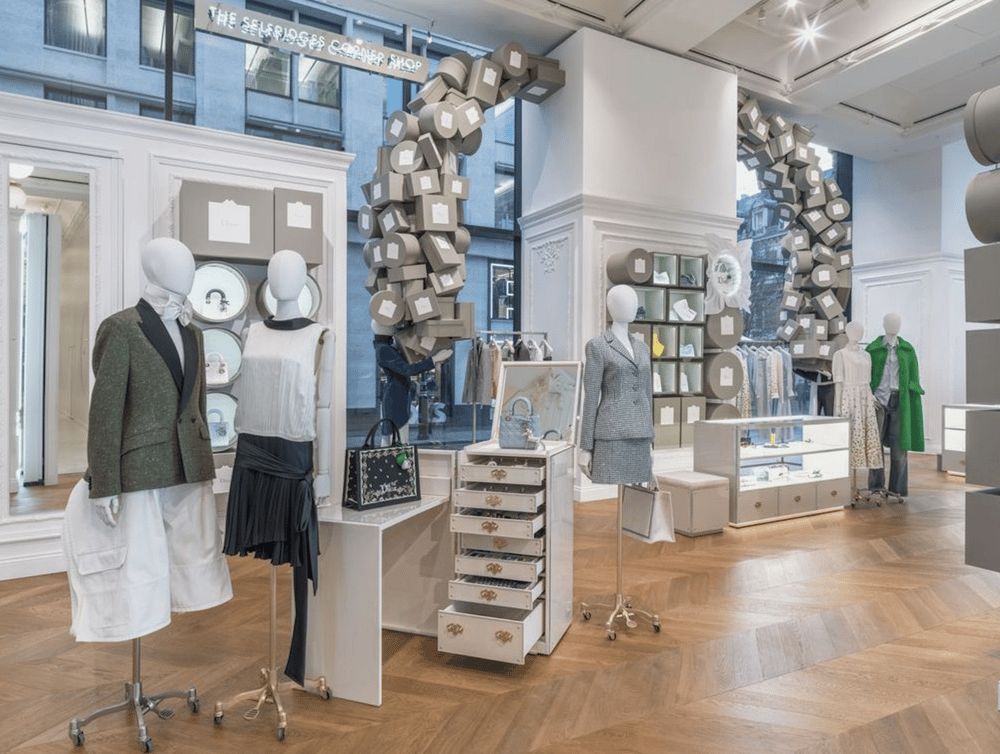
LVMH, which saw its stock plunge by 42% between January and June, received "buy" upgrades last week from analysts at Deutsche Bank and Morgan Stanley. These analysts view the owner of Christian Dior and Louis Vuitton as a potential beneficiary of a less pessimistic investor sentiment. Deutsche Bank's Adam Cochrane noted that LVMH's management team "has reacted with a number of management and creative designer changes," emphasizing that "With a tough consumer backdrop, an increase in the pace of innovation and exciting customers with new products is paramount."
However, an examination of analyst estimates for LVMH's profits reveals that they still trail those of rival Hermes International SCA. Moreover, the stock's rebound since June has pushed its valuation back to nearly 25 times forward earnings.
Recent fashion weeks in Paris and Milan offered a glimpse into how luxury companies intend to entice shoppers to open their wallets once more. Nevertheless, investors may require more time before fully sharing the enthusiasm generated by the latest catwalk presentations. UBS Group AG analyst Zuzanna Pusz explained that, "If you just follow a fashion calendar and sort of a lead time, these collections would most likely come to stores at the very end of the second or third quarter next year," concluding, "At this stage, that's the earliest we could see things improve."