Luxury’s New Wealth: Wellness is Redefining the Ultra-Rich’s Spending Habits
A significant shift is occurring in the luxury market: health is increasingly viewed as the new wealth. The ultra-rich are now prioritizing spending on wellbeing – encompassing everything from longevity treatments and advanced fitness regimes to nutrition and mindfulness – often surpassing their traditional outlays on status symbols like jewelry and designer handbags. This evolving consumer behavior presents a substantial opportunity for luxury brands, but navigating this space requires a careful and strategic approach.
Global spending on wellness products and services, including those focused on health, sleep, nutrition, fitness, mindfulness, and appearance, reached $2 trillion in 2024, according to McKinsey & Co. and the Business of Fashion’s State of Fashion 2026 report. Projections estimate this figure could climb to $2.5 trillion by 2028. Notably, a substantial majority of consumers – 84% in the US and 94% in China – are prioritizing wellness, with younger demographics leading the charge. Capturing even a small portion of this expanding market could provide a significant boost to the luxury industry, which has experienced recent volatility.
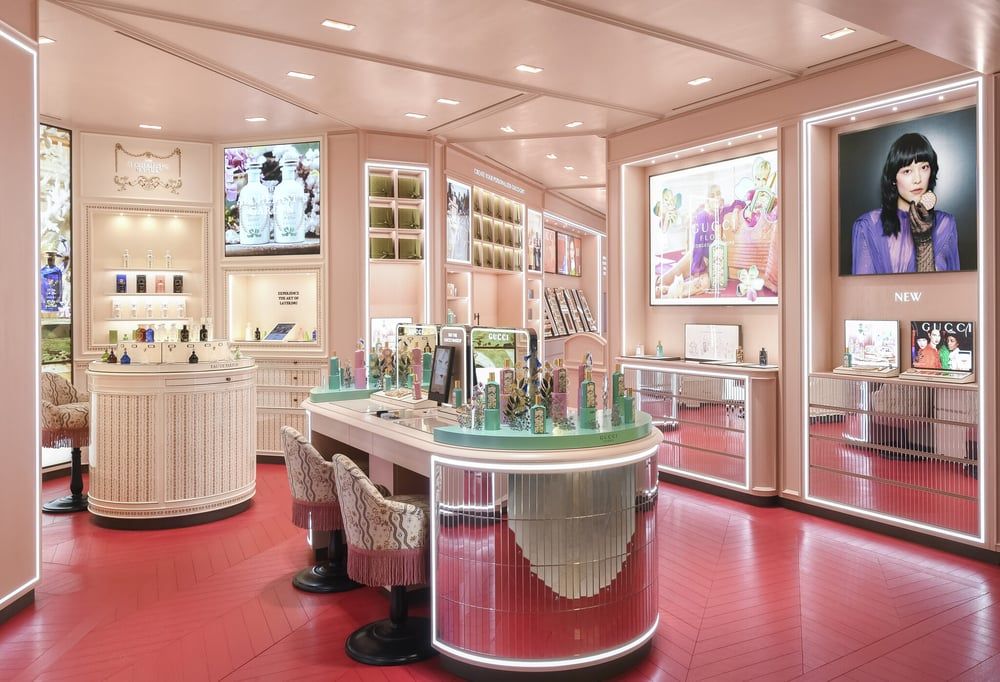
Beauty brands are currently best positioned to capitalize on this trend, and Kering SA, while working to revitalize Gucci, is strategically placed to benefit. The recent €4 billion sale of its beauty division to L’Oreal SA included the creation of a joint venture specifically designed to explore the intersection of luxury, wellness, and longevity. While details remain limited, L’Oreal’s 15 years of research into skin and scalp aging, including tools to determine biological age and identify beneficial ingredients (and potential supplements), will be a key asset. They are also expanding into electronic beauty devices and increasing investment in injectable fillers.
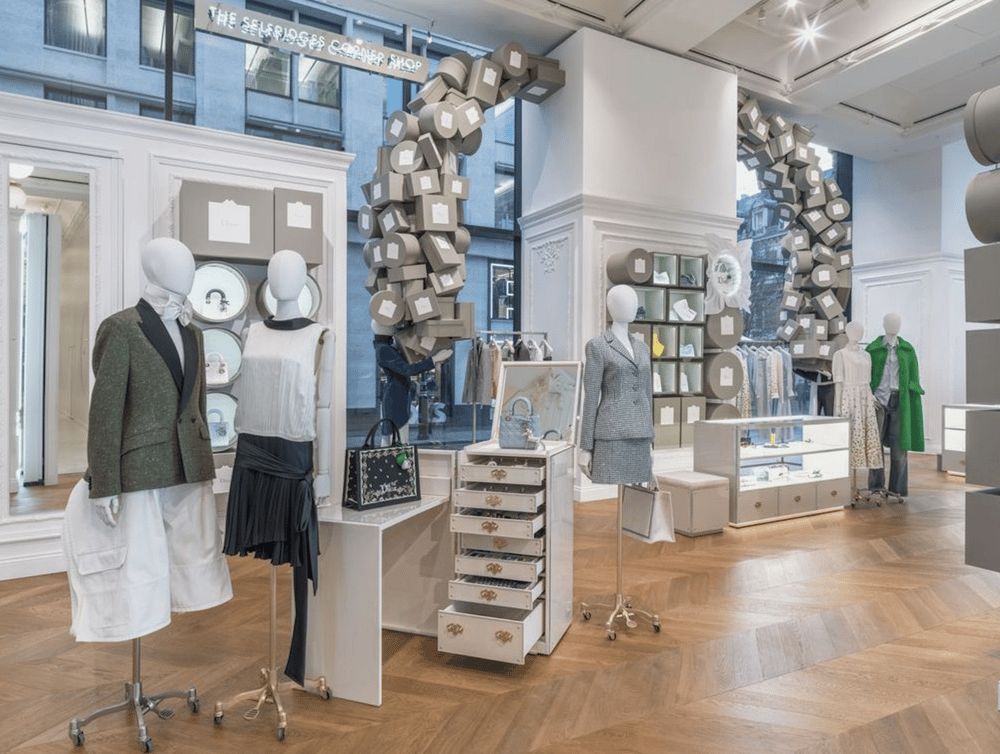
Kering will contribute its expertise in reaching high-net-worth individuals through its existing brands and exclusive events. The company plans to leverage its network to establish luxury wellness experiences, potentially incorporating medical care, in prime urban locations. Christian Dior, under LVMH Moet Hennessy Louis Vuitton SE, already operates around ten spas globally, and its new flagship store in New York features a “happiness” program utilizing light therapy to boost serotonin and dopamine levels – a glimpse into the future of “haute wellness.”
However, the pursuit of wellness extends beyond traditional spa settings. Brands like Golden Goose SpA have created Padel arenas combining sports, retail, and social spaces, while Kith Ivy, founded by Ronnie Fieg, offers a members-only club integrating wellness, Padel, dining, and retail. Exploring medically focused longevity programs could appeal to the wealthiest clientele, but carries inherent risks. Extreme treatments, if they gain traction, could damage brand reputation, emphasizing the need for scientifically sound and impeccably executed procedures.
For brands hesitant to venture into medical territory, wellness-inspired product lines or collaborations offer a more accessible path. LVMH’s Celine, for example, launched a pilates collection featuring a $3,000 leather kettlebell. Enhancing the style of health-tracking technology, like adding luxury elements to Oura rings, is another option. There’s also potential to innovate in functional yet fashionable activewear, with Prada’s Linea Rossa sports line as a potential leader.
Marketing strategies can also align luxury brands with wellness principles, promoting mindful practices and emotional wellbeing. Could Louis Vuitton, known for its travel-themed stores, expand its focus to encompass inner journeys? The rise of weight-loss drugs, coupled with a desire to maintain muscle mass, is also influencing fashion trends, with a predicted increase in close-fitting and sleeveless styles.
Ultimately, the increasing longevity and active lifestyles of the wealthy suggest a prolonged period of demand for luxury goods. As individuals prioritize aging well, the peak spending years traditionally associated with the 50s could be extended. Luxury brands that successfully integrate wellness into their offerings – whether through products, experiences, or marketing – are poised to benefit from this evolving landscape.