LVMH Bets Big on South Korea as Global Luxury Market Faces Headwinds
LVMH, the world's leading luxury conglomerate, is strategically intensifying its expansion efforts in South Korea. This deliberate move aims to diversify its global presence amidst growing geopolitical and economic uncertainties that are currently casting a shadow over consumer spending outlooks in key markets like the United States and China. South Korea, with its robust luxury market and resilient economic indicators, is emerging as a crucial growth engine for the group.
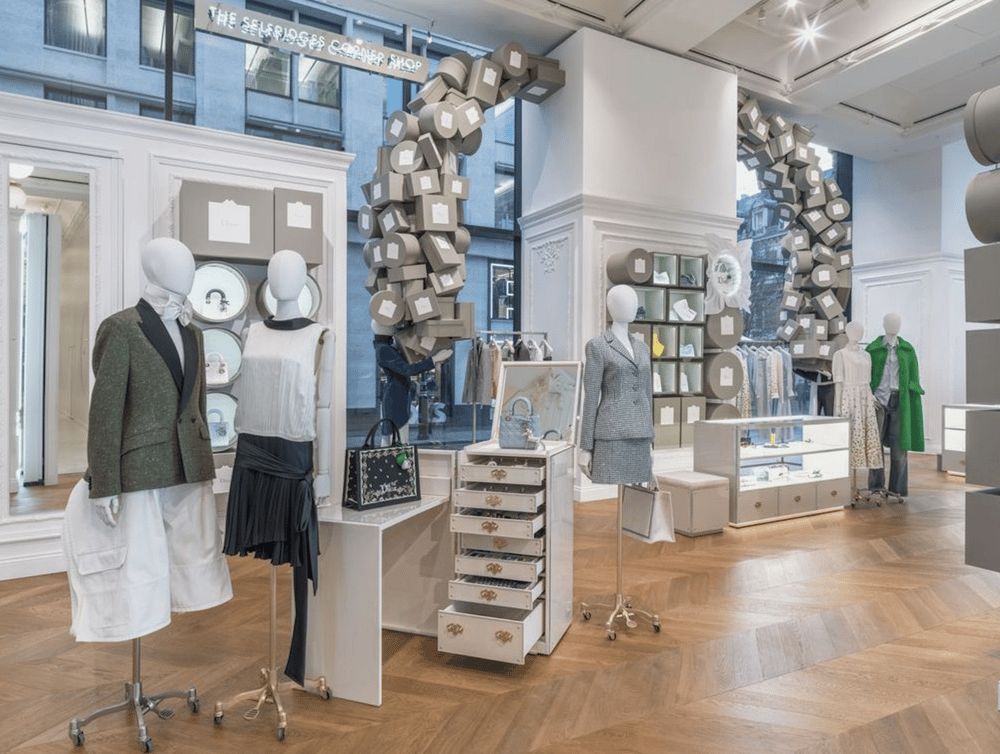
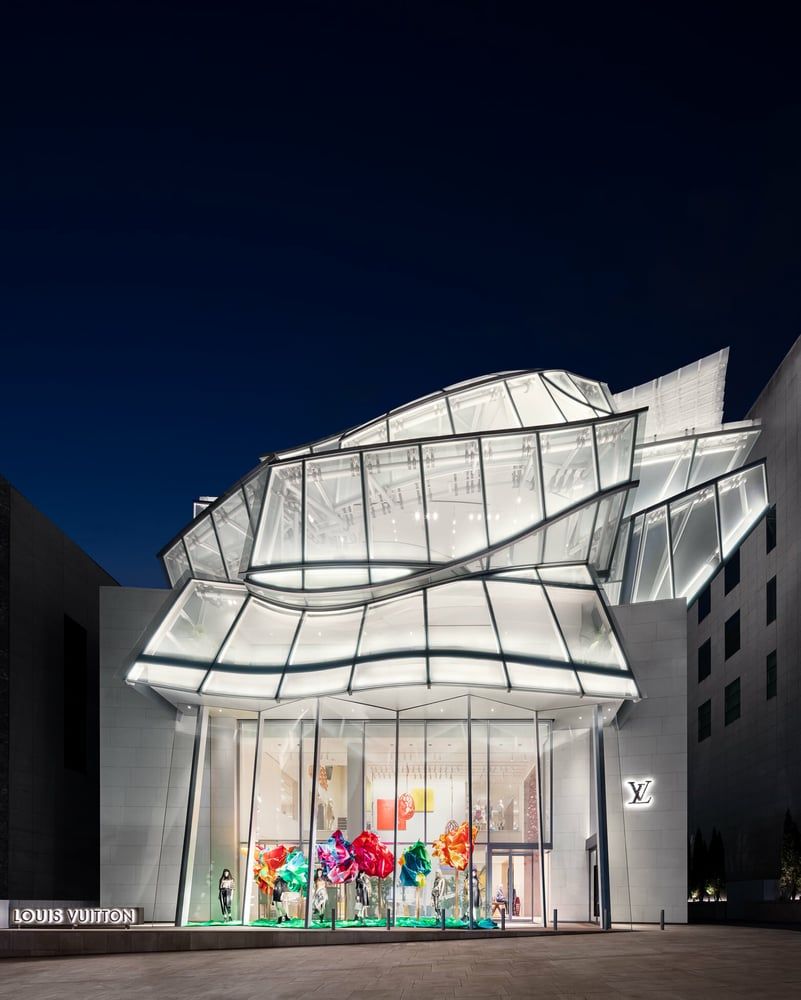
The luxury giant is planning significant investments across its prominent brands in the region. Louis Vuitton and Christian Dior, LVMH's two largest fashion labels, are both set to expand their flagship maison-style stores within Seoul's prestigious Cheongdam district over the next few years. Dior's revamp, anticipated as early as 2027, is reportedly envisioned to include a permanent high-end restaurant, enhancing the immersive luxury experience. Furthermore, Bulgari, LVMH Moët Hennessy Louis Vuitton SE’s esteemed watch and jewelry house, is reportedly seeking its inaugural flagship location in South Korea, underscoring the group's commitment to strengthening its regional footprint. Tiffany & Co. is also slated to open a new flagship store in Cheongdam by 2027, further solidifying the district's status as a luxury hub. A representative for LVMH declined to comment on these specific plans.
South Korea's enduring affinity for luxury goods, coupled with a stable economy and increasing consumer confidence, has positioned it as a beacon of growth for top-tier industry players amid a volatile global retail environment. Government data reveals that Louis Vuitton, Hermès, and Chanel collectively saw their sales in the country surge by nearly 10% last year, reaching an impressive $3.3 billion. This robust performance highlights the strong domestic demand and spending power within the market.
Beyond the loyal domestic clientele, a significant surge in international visitors, particularly from China and Japan, has provided an additional boost to luxury sales, further aided by a weaker won. According to the Korea Herald, tourist spending alone rose by approximately a third last year, hitting a record 9.26 trillion won ($6.6 billion). This contrasts sharply with the broader global landscape, where China's premium goods market experienced its most significant contraction in a decade last year, and U.S. import tariffs have led fashion houses to raise prices, potentially redirecting affluent shoppers to international markets. Even Japan, which previously benefited from a weak yen-fueled luxury boom, is now showing signs of a slowdown.
LVMH, under the leadership of billionaire Bernard Arnault, has already been progressively expanding its presence in South Korea. Celine, one of its prominent fashion houses, inaugurated its first boutique in the country in December of the previous year, while Fendi launched its initial flagship store in 2023. This strategic focus is not exclusive to LVMH; other luxury conglomerates are similarly recognizing and investing in the promising South Korean market. Cie Financière Richemont SA, for instance, reported a substantial 20% increase in its sales within the country for the financial year ending in March. The group also opened a new flagship for its Swiss watchmaker Vacheron Constantin in Seoul in June, featuring Korean artworks, a digital archive, a private lounge, and dedicated exhibition spaces. Similarly, Hermès relocated and significantly expanded its flagship store in the capital, reopening the enlarged location in August, underscoring the collective confidence in South Korea's sustained luxury market appeal.