Milan Fashion Week Declares Bottega Veneta a Winner as New Designers Usher in an Era of Transition
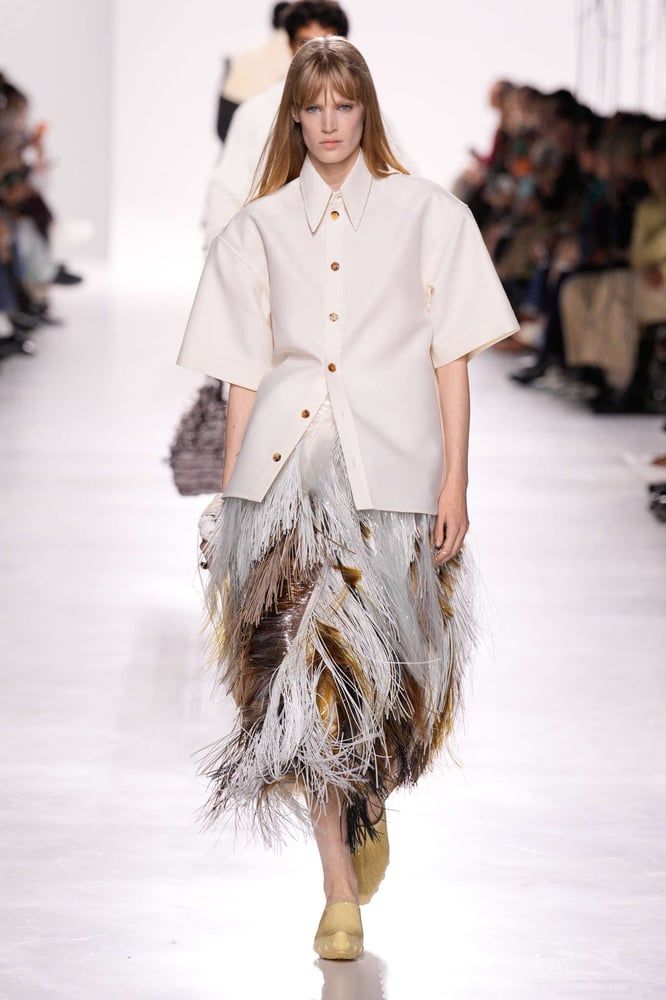
Milan Fashion Week concluded with a clear frontrunner, as Harrods' Director of Buying - Fashion, Simon Longland, declared Louise Trotter’s debut collection at Bottega Veneta the standout show. Longland lauded the collection as "strong, assured, and already deeply in tune with the house," praising its blend of "exceptional workmanship with a sense of ease and refinement." He emphasized the immediate covetability of the pieces, predicting that items like the intrecciato coats and jackets would swiftly generate extensive waiting lists, positioning Bottega Veneta as a key driver for must-have luxury items.
Beyond Bottega Veneta, several other houses garnered high praise for their distinctive presentations. Fendi, for instance, captivated with a "beautifully vibrant colour palette and a summer energy" that permeated the collection. Longland highlighted the collection's seamless integration of sportswear detailing with sophisticated embellishment and craftsmanship, noting the "extremely compelling" nature of its accessories. Gucci also made a significant impact, though not through a traditional runway. Demna’s inaugural pieces for the label were unveiled as a "cultural moment," starting with a brown carpet arrival and culminating in a film screening starring Demi Moore. This inventive and disruptive launch format, featuring just 37 looks, ensured maximum visibility and distinction in a particularly crowded season.
The season also saw a number of other significant debuts shaping the future landscape of prominent fashion houses. Apart from the much-anticipated first collections from Trotter at Bottega Veneta and Demna at Gucci, Longland also commended Simone Bellotti’s initial work at Jil Sander, which he described as revealing "a sensitive and elegant vision for the house." These new creative directions underscored a broader theme for the season, which Longland characterized as a "season of transition," with a fresh wave of designers beginning to lay the foundations for their evolving visions at their respective labels.
In terms of overarching trends, Milan showcased a dynamic interplay of styles and aesthetics. Colour emerged as a dominant force, presented as "bold, bright, clashed and blocked" across various collections. Simultaneously, the stark elegance of monochrome looks, particularly in pure black or white, offered a dramatic contrast, highlighting the season's full spectrum. Strong references to the 80s and 90s were pervasive, fostering a constant dialogue between the understated allure of minimalism and the expressive grandeur of maximalism. This stylistic tension extended to silhouettes, balancing structured tailoring with moments of modesty and daring sheerness.
Ultimately, Milan Fashion Week was defined by this sense of flux and anticipation. The multitude of designers presenting their inaugural collections signaled the beginning of a significant period of evolution within the fashion industry. This "season of transition" sets the stage for exciting developments as these new creative directors progressively articulate and refine their distinct visions for some of the world's most revered luxury brands.