Milan Fashion Week's Big Three: Prada, Max Mara, and Boss Define Next Season's Chic
Milan Fashion Week recently delivered a powerful reminder of its core appeal: a showcase for garments of exceptional distinction and flawless execution that consistently influence global fashion trends. Three standout collections from Prada, Max Mara, and Boss particularly underscored this, each presenting a cohesive, sophisticated, and often unexpected vision for the upcoming seasons.
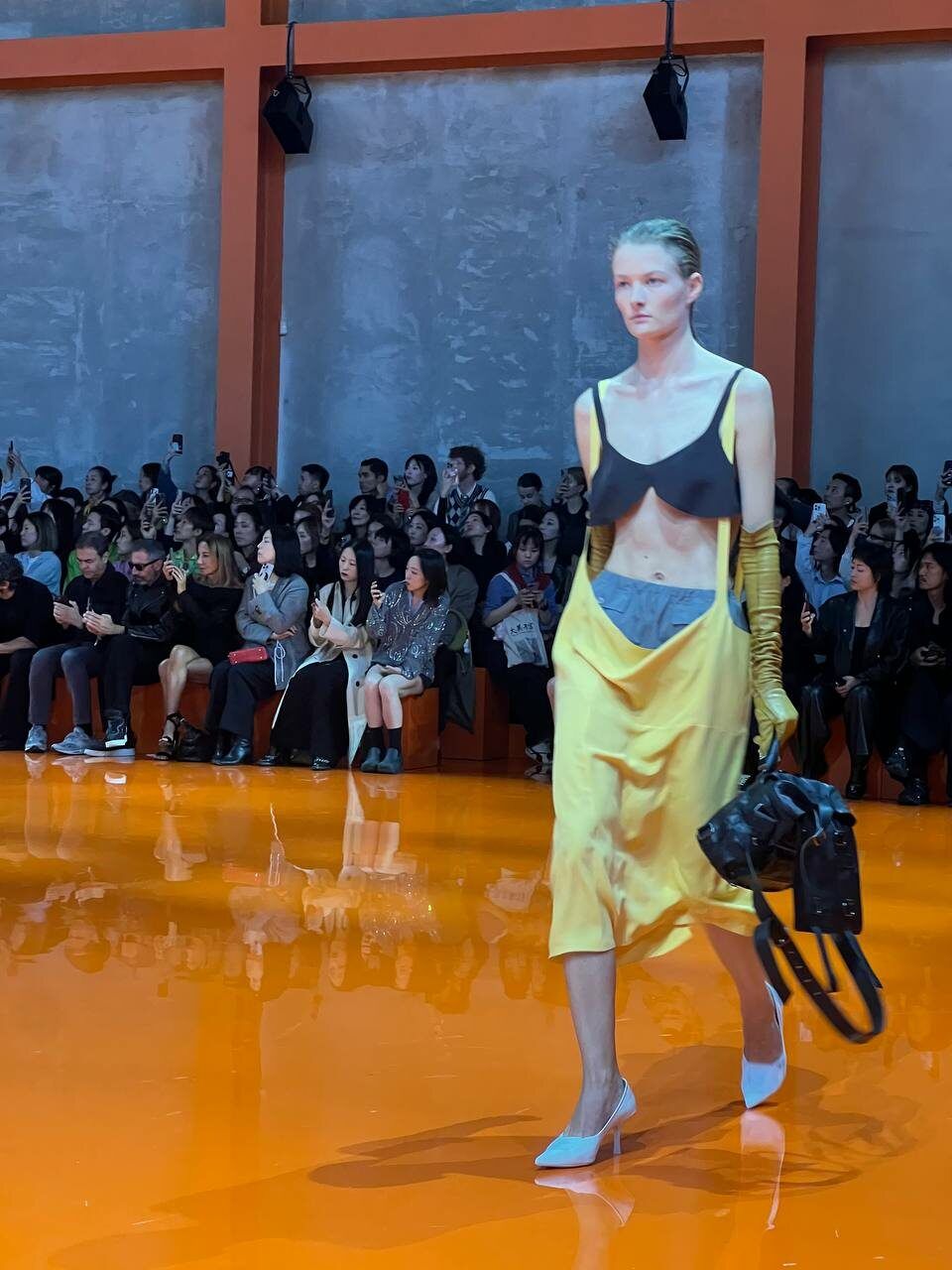
Prada unequivocally reaffirmed its status as Milan's leading light in fashion direction, avant-garde flair, and overall chic. The brand's latest collection, unveiled on a Thursday, captivated audiences from the outset. Its meticulously crafted invitation—a silver steel matchbox holding a tiny white invite with a minuscule QR code—set a tone of understated luxury. The show space itself, a mammoth area in South Milan, was transformed by a giant lake of bright orange lacquer, adding to the dramatic presentation. The palpable excitement surrounding Prada was further evidenced by the thousands of screaming fans outside, eager to glimpse K-pop stars and influencers, creating a rock-legend-level buzz on the street.
The collection itself was both provocative and impeccably polished. A recurring motif featured a dozen or more "nearly-there bras," delicately fluttering and exposed within cut-out tops, dresses, and even aprons, evoking the image of a racy soirée hostess residing in a grand loft or bohemian townhouse—a look poised to go viral. Designers Miuccia Prada and Raf Simons demonstrated admirable daring in their approach to volume, incorporating a variety of dirndls, wrap, bubble, and gathered skirts. They achieved this by alternating sheer fabrics with crumpled materials like technical taffeta, positioning the latter as the undeniable key fabric of the current season. Exceptional dresses, cut with military precision above the waist and pleated below, also made a strong statement. Finishing touches included bunches of strass and crystals on necklines, waists, and shoe backs, while accessories like soft acid-hued gloves and a bold new backpack-meets-purse completed the looks. Many outfits were expertly paired with superb light leather jackets, featuring three-button, peplum, or draped styles. The palette, vibrant with salmon pink, blood orange, African violet, and turquoise blue, certainly did not whisper "quiet luxury," a sentiment mirrored by the bold soundtrack—a super mashup of anthemic cuts by Art of Noise. Staged just one day before Dario Vitale, Miu Miu's former right hand, was set to debut his collection for Versace (a brand acquired by the Prada group after his appointment), Prada’s show was a testament to tenacity and talent, arguably presenting the best collection seen so far after 16 days of the international runway season.
Max Mara presented a clever shift in direction, drawing inspiration from rococo to deliver a surprisingly even more minimalist interpretation of its classic wardrobe. Creative director Ian Griffiths skillfully transformed the florid and floral elements associated with 18th-century rococo figures like Marie Antoinette and Madame de la Pompadour, and even David Bowie, into cool, understated detailing on ravishing silhouettes. Unlike the opulent decor of aristocratic life, the Spring/Summer 2026 collection eschewed prints, instead centering on nature’s curving shapes. The show opened with an impressive series of slimline trenches and tops, subtly finished at the shoulders with small clouds of chiffon. Griffiths also showcased body-con jackets and raincoats, featuring backless designs with funnel necks or elegantly worn-up lapels. Pants were presented in drainpipe or cigarette shapes, effectively elongating the silhouette, an effect heightened by hair styled into a modern pompadour. For evening wear, gauze petal dresses were envisioned, playfully echoing rococo’s natural inspirations. Griffiths, surrounded by editors with iPhones, shared his intention: "I wanted to show a little of the playful sexiness of Versailles. Or at least the illusion of playfulness." He is highly regarded by critics for his ability to create elegant, flattering clothes that never cross into vulgarity. The U.K.-born designer also tapped into a key Milan trend by exposing plenty of midriff, a nod to the modern fashionista's dedication to fitness and body consciousness. The collection was backed by a brilliant mashup soundtrack blending jazz funk with a magnificent organ concerto, "Basso Ostinato" by André Van Vliet, adding grandeur to the impeccably staged show inside Milan's giant ice-skating ring, Palazzo del Ghiaccio.
Boss staged its latest show in a vast former factory in north Milan, a rather stark setting that sharply contrasted with the spruce and utterly spiffy clothes on display. The front row was a magnet for photographers, with soccer legend David Beckham joining Meghann Fahy of "White Lotus" fame, Aaron Pierre from "Rebel Ridge," tennis champion Boris Becker, and the house’s consistently impeccable CEO, Daniel Grieder. The catwalk highlight was undoubtedly K-pop star Sound of Coops, who closed the show in an ankle-grazing leather trench coat. Having recently committed as a brand ambassador to Germany’s most storied fashion label after flirting with several others, Sound of Coops caused a sensation at the Met Gala in May by appearing in a custom Boss version of a Korean hanbok jeogori jacket. At its best, Boss excels at distilling contemporary trends into flattering and functional garments, a principle clearly evident in this collection. For men, fresh silk-wool suits, double-collar shirts, and expansive parkas were prominent, with not a tie in sight. For women, the collection offered gently voluminous techy dresses and cocktails, mannish shirts, and technical taffeta tops, though the standout pieces were the papery-leather second-skin shirt jackets, trenches, and dusters—striking a balance between hip and stylish without being overly avant-garde. Creative director Marco Falcioni ingeniously incorporated scarves, shards, strips, and belts of fabric into multiple looks, adding a smart sense of movement. Pants for both women and men were mostly cut in generous, forgiving, and long silhouettes, covering half of the footwear. The palette was subtle, featuring soft ecru, putty, tobacco, and black, a quiet contrast to the battered silver invitation and runway setting. The collection was energized by a punchy, booming soundtrack curated by wizard DJ Michel Gaubert, blending Underworld dance-party hits. This helped garner hefty applause for the burly and bearded designer Falcioni, who sportingly took his bow alongside a score of his design team members, embodying a truly collegial spirit.