Nike and Adidas Clash for World Cup Dominance in US Market
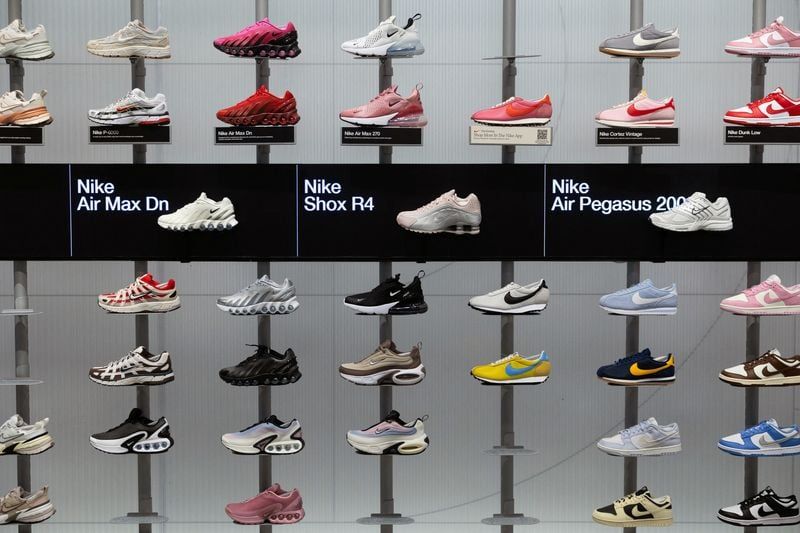
As the FIFA World Cup approaches in North America this June, the competition extends beyond the playing field to a fierce battle between sportswear giants Nike and Adidas for sales and brand prominence, particularly in the crucial US market.
Nike appears to hold a significant advantage, hosting the tournament in its home markets and benefiting from the recent appointment of Elliot Hill as CEO, giving him sufficient time to implement strategic changes. However, Hill faces a strong challenge from Adidas, led by Bjoern Gulden, who aims to solidify the German company’s position in sports-inspired fashion and expand its market share in performance football products.
Nike’s strong North American presence—contributing over 40% of its sales in the last fiscal year—provides a natural advantage, especially with growing sales in the region and sponsorships of the US and Canada national teams. However, the influence of individual star athletes, a phenomenon likened to the “Kardashianisation” of sport, is increasingly important, and Nike boasts a robust roster of high-profile players.
Hill took the helm as Nike CEO in October 2024, coinciding perfectly with the product development timeline—approximately 18 months from design to retail. This timing allows for the launch of innovative products like the Aero-Fit cooling fabric, described as “air conditioning for the body,” designed to help athletes combat potentially extreme temperatures, and the latest iteration of the Tiempo football boots, worn by Estevao Willian of Brazil.
Nike is also aggressively expanding its presence in off-pitch football fashion, recently unveiling the “Hollywood Keepers” streetwear collection inspired by the bold styles of 1990s and early 2000s goalkeepers, with on-pitch versions to follow, offering a preview of the team uniforms. While not a product specialist like Gulden, Hill is credited with inspiring Nike’s staff and revitalizing the brand’s connection with its core identity.
Retailers are responding positively to Nike’s World Cup offerings, increasing their orders of football products by 40% compared to the 2022 tournament. Analysts at RBC Capital Markets estimate the tournament could generate an additional $1.3 billion in revenue for Nike, supported by the company’s substantial marketing budget of around $5 billion annually.
Nike is warming up for the event with initiatives like “Toma el Juego” (Take the Game), a youth-focused street football tournament launched in Los Angeles and Miami, with plans to expand to 20 more cities by 2026. Despite this strong position, Adidas remains a formidable competitor, leveraging its rich football heritage and serving as the official ball provider for the tournament.
Gulden’s strategy centers on extending Adidas’s success in everyday wear into performance apparel, mirroring Hill’s focus. He is expanding the Originals line, traditionally associated with leisurewear, into the realm of sports, and emphasizing the iconic trefoil logo and three stripes. Adidas also recognizes the appeal of lifestyle products, such as sneakers in team colors, exemplified by its sponsorship of Jamaica.
Gulden aims to create stylish sportswear that athletes are excited to wear, moving beyond mere functionality. He anticipates the World Cup generating €1 billion ($1.2 billion) in sales and views the event as an opportunity to strengthen the Adidas brand in the US, with ambitions extending beyond soccer to baseball, basketball, and American football.
Competition isn’t limited to Nike and Adidas. Puma, under new CEO Arthur Hoeld, aims to become a top-three sports brand with a strong focus on football. Skechers has entered the sport through its sponsorship of Harry Kane, while New Balance is targeting $10 billion in annual sales, fueled by its football business and sponsorship of Bukayo Saka. Reebok, now owned by Authentic Brands Group, is also making a comeback.
While running brands like On AG haven’t yet ventured into football, the World Cup’s broad reach could open doors for wider sports and fitness brands. The recent move by athleisure brand Vuori to sign tennis star Jack Draper away from Nike demonstrates the potential for disruption.
Hill must navigate challenges beyond Adidas and emerging competitors, including avoiding negative publicity—such as the controversy surrounding Nike’s women’s track-and-field kit—and managing the unpredictable nature of individual athlete endorsements, as exemplified by Cristiano Ronaldo’s rejection of Coca-Cola. However, with innovative products and a focused strategy, Nike is well-positioned to capitalize on the World Cup opportunity.