Nike beats revenue forecasts while grappling with profitability challenges.
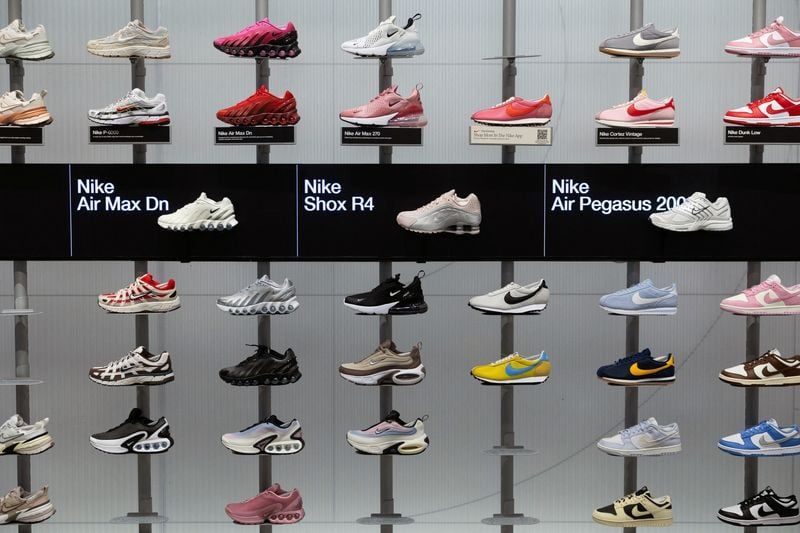
Nike exceeded market expectations for its second-quarter revenue, reporting $12.43 billion compared to analysts' average estimate of $12.22 billion, according to data compiled by LSEG. The company's strong performance was driven by resilient demand for its running shoes, supported by a significant marketing push aimed at fending off stiff competition from upstart brands, particularly within the North American market.
Under CEO Hill’s extensive turnaround plan, Nike is returning to its core sporting roots. This strategy involves refreshing product lines with a focus on categories like running and basketball. Additionally, the company is re-engaging with wholesalers, reversing a prior trend where it reduced its exposure to this distribution channel.
To broaden its appeal and innovate, Nike is investing in new product lines and partnerships. This includes the recently announced NikeSKIMS collaboration with Kim Kardashian's brand, alongside the development of a motorized footwear system designed to assist both casual athletes and individuals with mobility impairments move faster.
Despite positive revenue results, Nike continues to face significant pressure on its profit margins. Tariffs imposed on imports from Vietnam, where the company manufactures approximately 50% of its footwear, have squeezed profitability. The strategic decision to increase exposure at wholesalers has also hit margins, even though Nike has simultaneously introduced fresher, higher-priced products through its direct-to-consumer channels.
Executives have previously noted that Nike’s recovery would not be linear, reflecting the challenging current economic environment where consumers are increasingly discerning about spending large sums on non-essential items. Inflation and tariffs continue to squeeze household budgets, increasing the pressure on apparel makers to stay relevant through sleek marketing campaigns and continuous innovation. This competitive challenge extends across the industry, with companies like yogawear maker Lululemon also losing ground to newer brands such as Vuori and Alo Yoga.
For the quarter ending November 30, Nike’s gross margin declined by 300 basis points. This follows a 320 basis points fall in the preceding three-month period, highlighting the persistent profitability challenges faced by the company.