Nike Bets Big on World Cup and Marketing Comeback Amidst Challenges
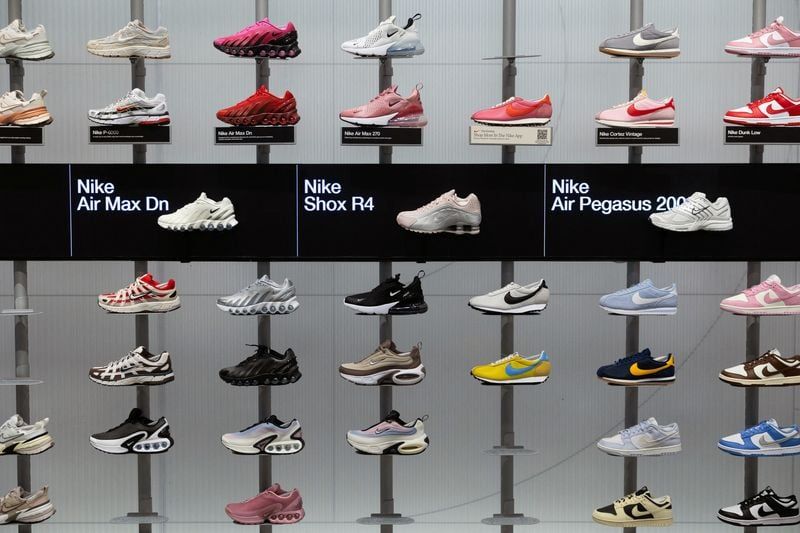
Investors are keenly awaiting details on Nike's marketing strategies for the coming year when the company reports its results on Tuesday. This heightened focus follows several sluggish quarters in which fierce competition from rivals has eroded market share, and high tariffs have significantly impacted imported goods, prompting the need for a clear path forward.
Under the leadership of CEO Elliott Hill, Nike is in the midst of a turnaround, demonstrating a renewed commitment to large-scale advertising campaigns. In the fiscal year ended May, the company boosted its marketing spend to $1.63 billion, marking a substantial 9% increase from the previous year. A primary driver of investor interest will be Nike's plans surrounding the 2026 World Cup, one of the decade's biggest sports marketing opportunities, set to be held across the U.S., Canada, and Mexico. Morningstar analyst David Swartz emphasizes that marketing strategies for this monumental event will be a key focus for investors in the coming months.
Tuesday's earnings call is also expected to shed light on Nike's ongoing efforts to navigate the crippling impact of U.S. tariffs. The company manufactures nearly all its shoes in Vietnam, China, and Indonesia—countries that have faced significant tariffs under U.S. President Donald Trump. In June, Nike had projected that these tariffs would add approximately $1 billion in costs, although it outlined plans to mitigate this by reducing imports from China from around 16% to below 10%.
In the past year, Nike's marketing campaigns largely concentrated on reestablishing its brand as the premier choice for serious athletes, a label it acknowledged had been challenged in recent years. This strategic emphasis is crucial, as analyst Swartz notes, "We need to see some progress on returning to relevance." The World Cup offers an unparalleled platform for this, with Nike sponsoring five of the top 10 FIFA-ranked national teams, including global powerhouses like Brazil, France, and England. LSEG estimates indicate that Nike's total selling and marketing expense is projected to surpass $5 billion by 2026, underscoring the scale of its future ambitions.
Despite these proactive steps, Nike has recently lost market share to younger, agile rivals such as On and Deckers' Hoka, contributing to its weaker performance in recent quarters. Demand in major markets, especially China, has been inconsistent as Nike attempts to balance its wholesale and direct-to-consumer strategies. This has also led to the company discounting some items in an effort to clear existing inventory.
The company has also faced considerable challenges in the women's athleisure market against formidable competitors like Lululemon. In a strategic move to address this, Nike recently launched NikeSKIMS, a highly anticipated partnership with Kim Kardashian's fashion label. However, the long-term success of such initiatives, according to Swartz, will require time to evaluate, particularly as "tariffs may affect sportswear demand for some time." Despite these immediate headwinds, the broader global athletic footwear market, valued at an estimated $183 billion this year, is forecast for significant growth, projected to reach $258 billion by 2030, according to India-based market research firm Mordor Intelligence.
Financially, the company anticipates a challenging period ahead, with revenue for the August-ended quarter expected to fall by approximately 5% compared to the previous year. LSEG data further projects that the gross profit margin, as a percentage of revenue, is expected to shrink by about 3.7%.