Nike Returns to Roots Amidst Inventory Cleanup and China Challenges
Following a stronger-than-expected first quarter, Nike is navigating a complex path forward, marked by significant inventory cleanup, persistent challenges in the crucial Chinese market, and a strategic recommitment to its athletic roots. CEO Elliott Hill, who took the helm last year, is seeing his efforts to steer the company back to its sportswear origins bear fruit, although a sluggish economic recovery in China and the escalating cost of tariffs continue to temper the outlook.
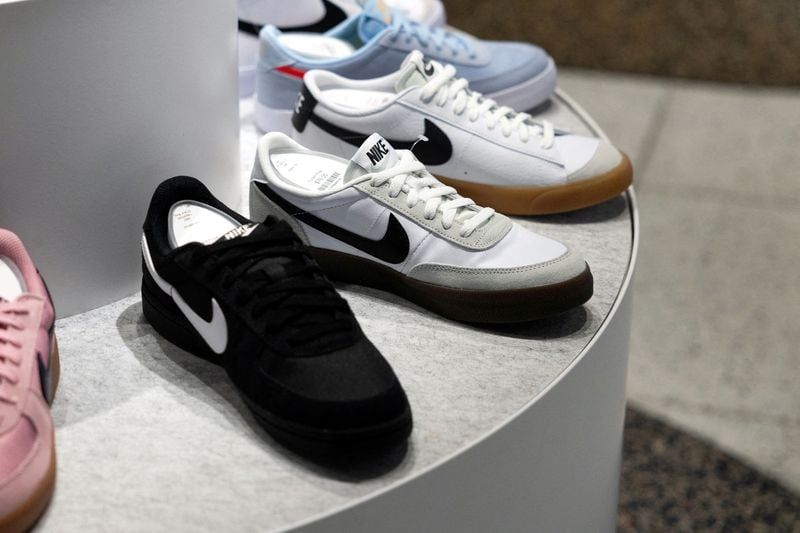
The company, which surprised investors with a rise in quarterly revenue, has aggressively worked to clear out aged inventory, including certain lifestyle product lines, to sharpen its focus on innovative, sport-centric footwear. Jefferies analyst Randal Konik noted that "Nike is in the early innings of its turnaround and momentum is building," a sentiment echoed by the company's report of a year-over-year increase in its spring order book, predominantly driven by its core sports categories. Recent launches, such as the Vomero, Pegasus, and P-6000 running shoes, have successfully re-engaged customers.
This renewed emphasis on sport has translated into tangible growth, with the running, training, and basketball categories each achieving double-digit growth in North America during the quarter. This performance signals a welcome return to sales growth in the region after approximately a year of stagnation. Morningstar analyst David Swartz highlighted the positive reception from major retailers, stating, "We think retailers — like the combined Foot Locker and Dick's Sporting Goods — are reacting positively to Nike's new running shoe lineup." Investors also responded favorably to a 2% reduction in inventory, with Nike's shares rising about 3% in premarket trading. Mari Shor, senior equities analyst at Columbia Threadneedle, expressed satisfaction, noting that "units are down more than dollars as inflation starts to come through. They have largely cleared through older franchises."
Despite these positive indicators, CEO Hill cautioned that progress would not be linear. The financial burden of tariffs is now estimated at $1.5 billion, a significant increase from Nike's previous estimate of $1 billion, and is expected to strain margins already impacted by heavy discounting to clear stock. China remains a particularly challenging market, grappling with intense competition from lower-priced local brands like Anta and Li-Ning, exacerbated by a weaker economic recovery and a struggling wholesale business. Chief Financial Officer Matthew Friend acknowledged the high cost of maintaining a "clean and healthy" marketplace if "sell-throughs don't improve to the levels that we need to see on a season-in, season-out basis."
The company's digital business is also facing headwinds, with customer engagement remaining weak and revenue declining by 12% in the quarter. Hill indicated that the global digital business is still striving to find stable footing, as Nike pares back promotions on that channel. Executives further revealed that the direct-to-consumer (DTC) business is not projected to return to growth until fiscal 2026. This extended recovery period is attributed to the deep discounts previously implemented to clear out inventory of some of its iconic labels, including the Air Force One and Air Jordans. Analyst David Swartz adjusted his expectations, stating, "I originally thought that Nike would be further along. I was looking at this fall as the real breakout point, but it's clearly not going to happen until calendar '26."