Oeko-tex Sees Surge in Sustainable Certifications Driven by Global Demand and Strategic Partnerships
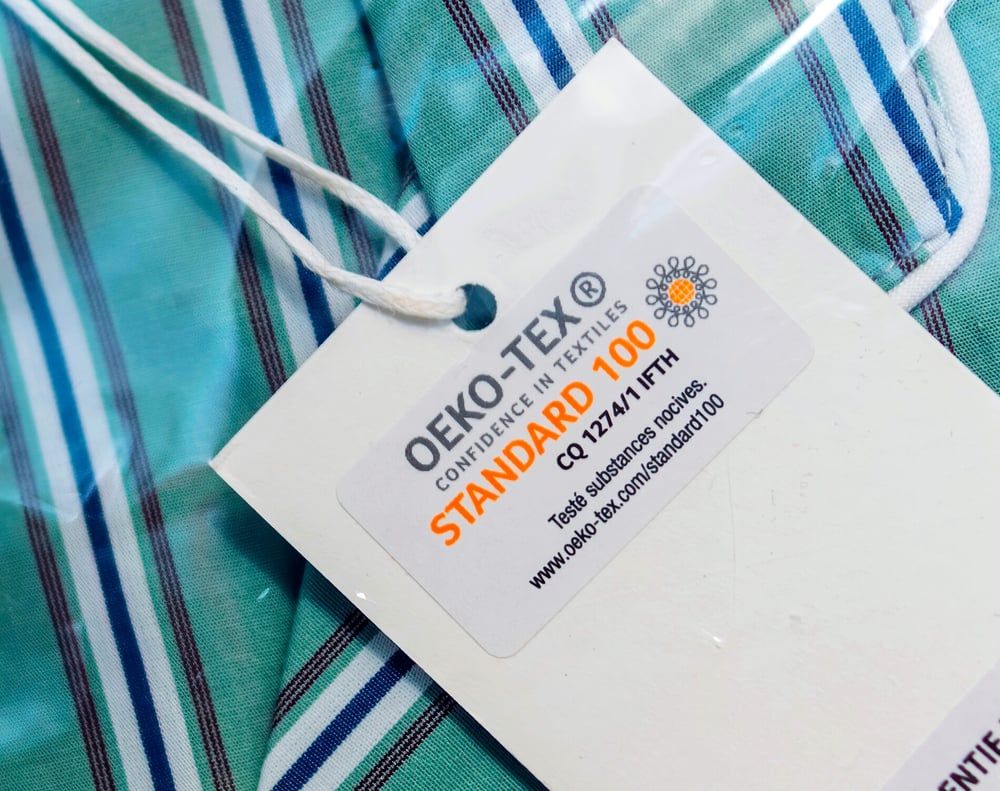
Oeko-tex, a leading sustainable certification body for the textile and leather industries, has reported significant growth in its certification activities for the 2024/25 season. The organization issued a total of 57,412 certifications and labels, marking an impressive 8% increase compared to the previous period. This substantial rise underscores the industry's increasing commitment to environmental and social responsibility, with a clear demand for verifiable sustainability standards across global supply chains.
A notable highlight of the reporting period was the exceptional performance of specific certifications. The Oeko-tex Organic Cotton certification experienced a remarkable 127% acceleration, reflecting a growing consumer and industry preference for sustainably sourced and processed organic fibers. Beyond organic materials, the push for chemical safety also saw strong momentum, with over 50,000 Eco Passports issued. This certification, which verifies the controlled use of chemicals and dyes in textile production, grew by 10% year-on-year, signifying enhanced scrutiny over input materials. Furthermore, the Made in Green label, crucial for ensuring product traceability and responsible production methods, was awarded to 18,000 products, expanding its network to include 5,300 companies actively committed to transparent and ethical manufacturing.
According to CEO Alfred J. Beerli, strategic partnerships have been instrumental in driving this robust development. Oeko-tex's collaboration with Cradle to Cradle, for instance, promotes mutual recognition of standards, thereby simplifying the often-complex landscape of sustainability compliance for industry players. Additionally, joint activities with the Global Nature Fund, an NGO dedicated to the protection of aquatic ecosystems, have significantly strengthened Oeko-tex's commitment to biodiversity preservation and responsible water management practices, extending its impact beyond product-level certification to broader ecological concerns.
The geographical distribution of these certifications highlights Oeko-tex's expansive global reach and the concentration of sustainable manufacturing efforts. Of all certifications and labels issued during the review period, a substantial 62% were awarded to companies based in Asia, underscoring the region's pivotal role in global textile and leather production and its increasing adoption of sustainable practices. Western European companies accounted for 27% of certifications, while the Middle East represented 6%. The remaining 5% were distributed among other regions, demonstrating a truly international embrace of Oeko-tex standards.
This positive annual report follows Oeko-tex's strategic announcement in January regarding changes to its seven labels. These updates are designed to ensure that the standards remain relevant and robust, adapting to evolving market demands and emerging legislative requirements concerning sustainability within the industry. Founded in 1992 as an association, Oeko-tex now operates through a network of 17 international research institutes. Its flagship certifications, including Standard 100, Leather Standard, and Organic Cotton, are rigorously monitored through on-site audits. In the past year alone, Oeko-tex conducted 10,364 such audits, reinforcing its commitment to strict compliance and the integrity of its certification system.