Ponda Secures $2.4M to Scale Plant-Based Insulation and Restore Wetlands
British biomaterials innovator Ponda has successfully closed a US$2.4 million (approximately €2.2 million) investment round, co-led by Lisbon-based Faber VC and London-based Counteract. This significant funding infusion is earmarked for the commercialisation of its pioneering plant-based BioPuff insulation and the strategic expansion of its European wetland farming network. With additional participation from PDS Ventures, Evenlode Impact, and the Royal College of Art, this latest round brings Ponda’s total funding to US$6.5 million, combining venture capital with substantial grants and awards from prestigious institutions such as Innovate UK, the Terra Carta Design Lab, and the H&M Foundation, which recognised Ponda with an innovation award in 2022.
At the heart of Ponda’s innovation is BioPuff, a cutting-edge thermal insulation material derived from Typha, a wetland plant cultivated through paludiculture. This process involves the rewetting and sustainable farming of degraded peatlands, offering a dual benefit of environmental restoration and resource production. BioPuff delivers thermal performance comparable to that of goose down, yet at a lower cost and with a profoundly positive environmental footprint. Rita Sousa, a partner at Faber VC, highlighted Ponda's strategic advantage, stating that "by combining regenerative agriculture in coastal areas with an advanced material with strong potential in the textile sector and beyond, Ponda is well placed to unlock significant opportunities across multiple industries, while generating a real impact on biodiversity at scale."
The newly secured funding is critical for Ponda’s next phase of growth. The company plans to significantly increase its production capacity, transitioning from the pilot phase to full commercial scale. This expansion will also involve strengthening its vital network of Typha growers across several European countries. Looking ahead, Ponda aims to launch its first commercial BioPuff lines specifically for the autumn/winter 2026 collections, marking a major milestone in its market penetration strategy.
Beyond its innovative product, Ponda champions a profound environmental mission rooted in peatland restoration. Julian Ellis-Brown, co-founder and CEO of Ponda, emphasised the broader impact of their work: "each coat filled with BioPuff does not just avoid emissions; it directly funds the restoration of peatlands, one of the most powerful carbon sinks on the planet." The urgency of this model is underscored by the fact that drained peatlands release an estimated 2 gigatonnes of emissions annually and heighten flood risks. By actively collaborating with landowners to rewet these critical areas and cultivate Typha, Ponda is instrumental in transforming emission sources into vital carbon sinks, with the potential to prevent up to 30 tonnes of CO₂ equivalent emissions per hectare each year.
Ponda’s journey began as an academic project at Imperial College London and the Royal College of Art, evolving into an industrial operation with active facilities. Its Bristol-based hub is equipped for fibre processing, blending, and prototyping, enabling continuous development and rigorous testing of BioPuff. This hands-on approach ensures the material meets stringent performance and durability standards.
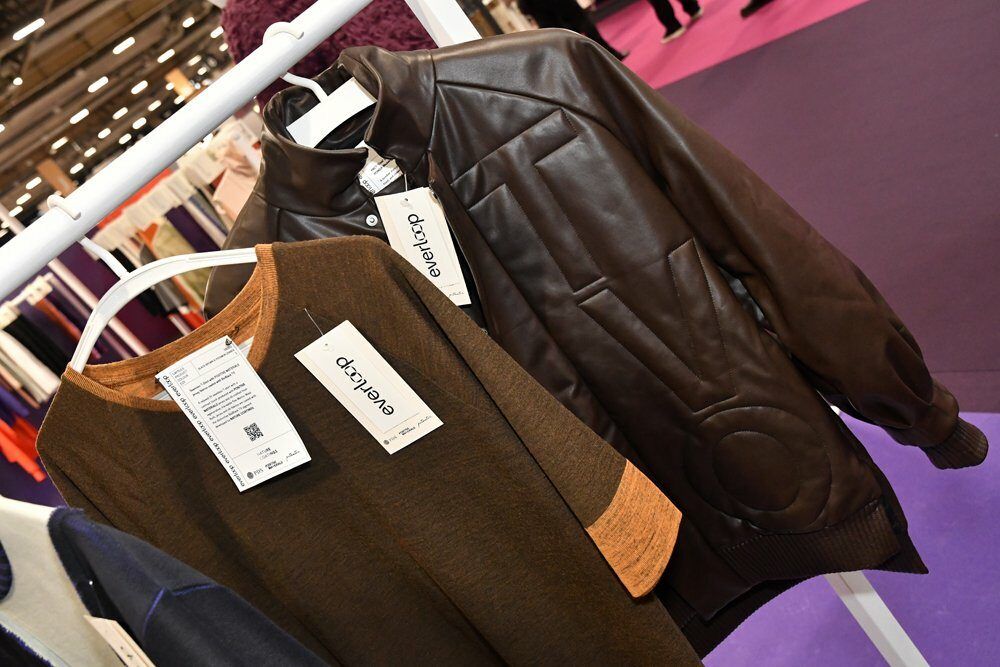
The company has already established impressive collaborations within the fashion and outdoor industries, working with renowned brands such as Berghaus, Stella McCartney, Parley for the Oceans, and Sheep Inc. These partnerships have been crucial for developing prototypes and testing BioPuff's resilience and effectiveness in real-world applications. Notably, Positive Materials, a division of the PDS group, showcased a bomber jacket insulated with BioPuff and featuring Oval faux fur at an event in Paris last year, demonstrating the material's aesthetic and functional appeal.
While the fashion sector currently represents the primary application for BioPuff, Ponda is actively exploring its potential across a broader spectrum of industries. Investigations are underway for its use in home textiles, furniture, toys, and various other applications, indicating a versatile future for this groundbreaking biomaterial.