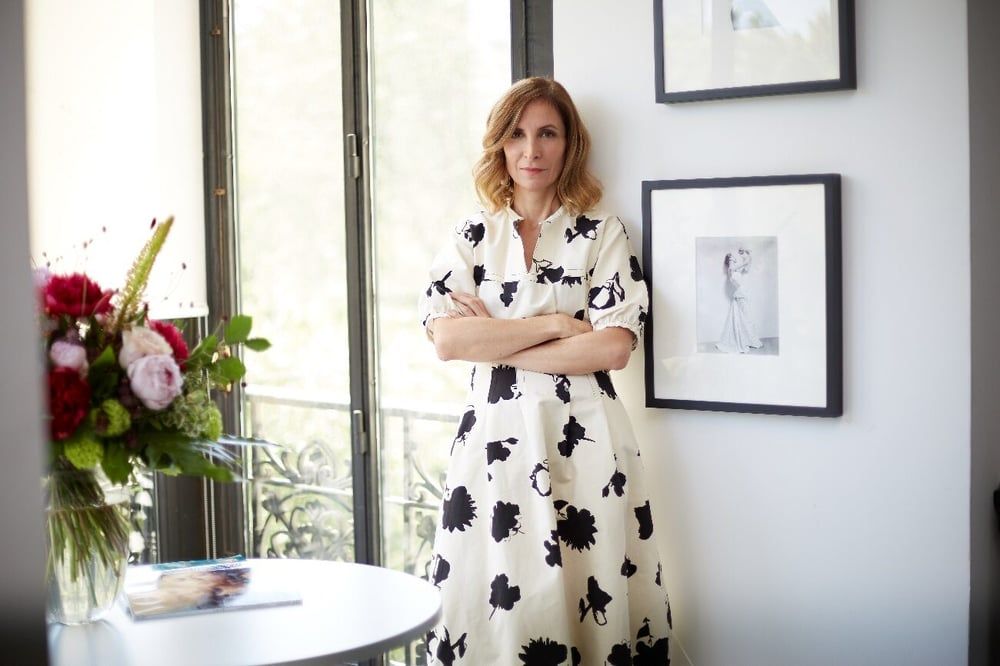
Prada Heir Lorenzo Bertelli on Philosophy, Racing, and the Future of Luxury
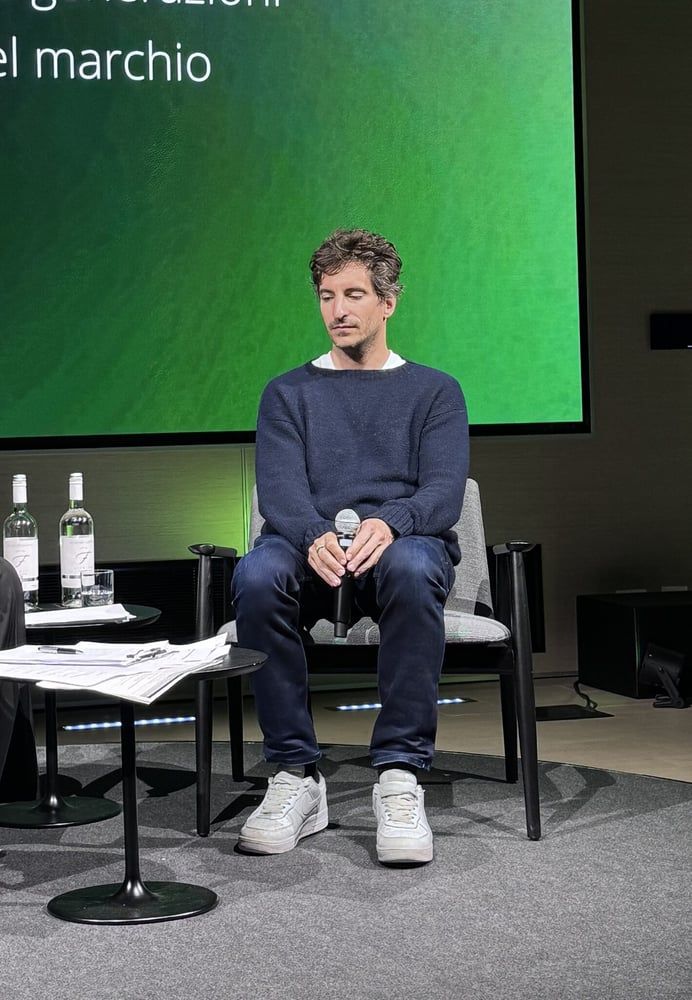
Lorenzo Bertelli, CMO and head of CSR for the Prada group, recently shared insights into his journey and the luxury industry at a Deloitte conference in Milan. Bertelli, son of fashion luminaries Miuccia Prada and Patrizio Bertelli, revealed that joining the family business was a personal choice, not an obligation. A former motor racing enthusiast who competed for 15 years, he brought a fiercely competitive spirit from the sporting world into his professional life, stating, “I brought this spirit into my work. I’m extremely competitive, though in the end health, relationships and friends are what count.”
Before his racing career, Bertelli pursued a degree in philosophy, an education he credits with providing him a unique lens through which to view marketing and the social dynamics of the modern world. He emphasized that fashion, more than other sectors, is intrinsically linked to these societal aspects. “Philosophy gave me the right perspective. As I delved into the work of various philosophers, I realised there is a rationale behind every perspective,” he explained. This understanding is crucial for managing a brand, as it enables one to grasp its perspective and its impact on consumers, particularly in bridging the generational gap between old and new.
Bertelli drew a significant distinction between companies and brands. While the "family side" might not be crucial for traditional companies, brands, especially in luxury, operate with a much longer horizon, looking 30 years ahead. He asserted that this far-reaching perspective, typical of family-run businesses, is a key driver of success, noting that most fashion companies remain privately owned. He also highlighted the evolving nature of brand identity, which is increasingly shaped by consumers, necessitating a deep understanding of history to navigate future directions.
On the topic of culture, Bertelli echoed his mother’s differentiation between artists and designers. He stressed that artists traditionally pursued their craft without commercial intent, often in poverty, whereas designers are fundamentally driven by sales. He argued against the contemporary blurring of these lines, stating, “People are talking about fashion as a work of art, but it’s not so. [An artist’s and a designer’s] are two different jobs, it’s important to make the distinction.” Bertelli also emphasized the importance of authentic engagement with culture, citing his father’s passion for sailing and the Luna Rossa project as an example of genuine cultural pursuit without ulterior commercial motives.
Reflecting on his working relationship with his parents, both revered fashion icons, Bertelli described it as "fascinating but also tough," acknowledging his unique position. He also addressed the acquisition of Versace, clarifying that it represents a complementary growth opportunity rather than an overlap with Prada. He highlighted Versace's strong global brand awareness, ranking among the top five or six worldwide, and affirmed that the deal was closed at a reasonable price, marking a strategic move for the group.
Regarding the broader luxury market, Bertelli observed a "normalisation phase" following the boom of the 2000s. He expressed concern over current social tensions and the widening social divide, noting that it risks making luxury an exclusive domain for the elite and preventing its expansion. He specifically mentioned people’s apprehension about openly displaying luxury items like watches, underscoring the potential for luxury to become increasingly restricted.
Bertelli offered a deliberately provocative yet pragmatic perspective on sustainability. He argued that simply "not polluting" isn't enough, advocating for an understanding of products' environmental impact and appropriate pricing – a €5 T-shirt, for instance, is not sustainable. For him, sustainability is about achieving equilibrium with the planet, not about ideology. While acknowledging the importance of initiatives like Europe's Green Deal, he called for greater pragmatism, stressing that capitalism, as a relatively recent phenomenon, is still settling, and environmental concerns must be integrated alongside economic ones without becoming rigid ideologies.
In line with this commitment, the Prada group donates 1% of its revenue to UNESCO’s "Sea Beyond" project. Bertelli concluded by highlighting the project's aim to educate students and future generations about ocean conservation. He emphasized that the conscious choices of today's children will shape the future, proudly noting that the project’s educational syllabus has been adopted by every public school in Brazil, with hopes for broader international participation.