Primark Bets Big on Germany with Renewed Growth Strategy
Associated British Foods' fashion chain Primark has announced a renewed focus on growth in Germany, signaling a departure from years of cutbacks and restructuring in the market. The budget retailer is implementing a fresh strategy aimed at revitalizing its presence and reversing a recent decline in sales within the country.
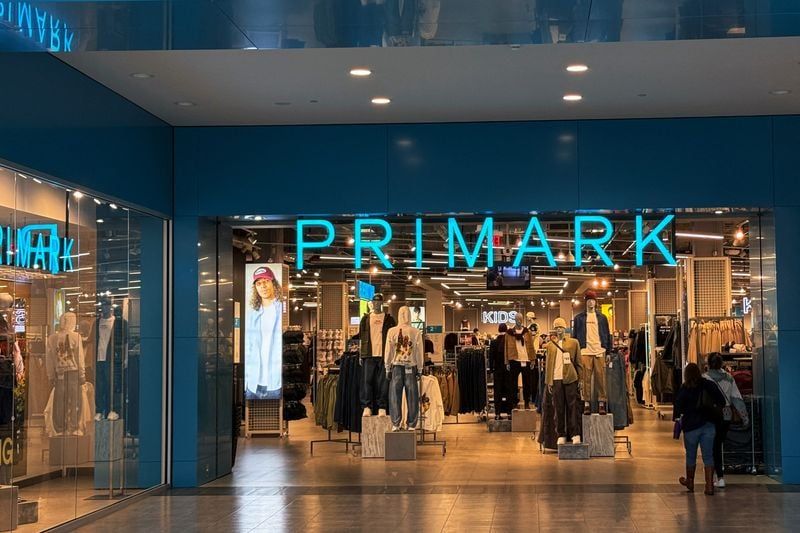
The first tangible step in this new approach was the opening of its first new German store in five years on Wednesday. Primark plans to further expand its footprint with two additional store openings, as confirmed by Sandra Luxem-Bremen, Primark's sales director for Germany and Austria, during a call with journalists. This expansion is central to the company's efforts to enhance efficiency and profitability in the German market.
The decision to pivot towards growth comes after challenging times for Primark in Europe. According to ABF's annual report, lower sales in Germany were a significant factor contributing to a 1% decline in Primark's Northern European sales in the fiscal year ending September 13. The company has faced intense competition and subdued consumer demand across key European markets, including France, Italy, and Germany.
In response to these market pressures, Primark has been investing significantly in key areas. These include improving the quality and appeal of its products, optimizing pricing strategies, and bolstering online engagement with customers. These efforts are crucial in a landscape increasingly dominated by agile online retailers such as Shein and Temu, which have added another layer of competition to the fashion sector.
The new strategy also addresses past operational issues in Germany. In recent years, Primark closed five stores in the country, with one further closure anticipated in the first quarter of next year. Luxem-Bremen noted that some of the older stores were either too large or situated too close to one another, leading to inefficiencies. Conversely, there were regions where the brand had no presence at all. The new shops are designed to be smaller and more tailored to local needs, a move expected to improve their overall performance and market penetration.