Primark Sales Miss Expectations Amidst Regional Performance Shifts
Associated British Foods (ABF), the owner of Primark, recently released a trading update covering the 16 weeks to January 3rd, describing the period as “challenging.” Overall revenue is estimated to have increased by 4%, or 1% when adjusted for currency fluctuations, falling slightly short of previous expectations. This mixed performance highlights the difficulties retailers are currently facing in a volatile economic climate.
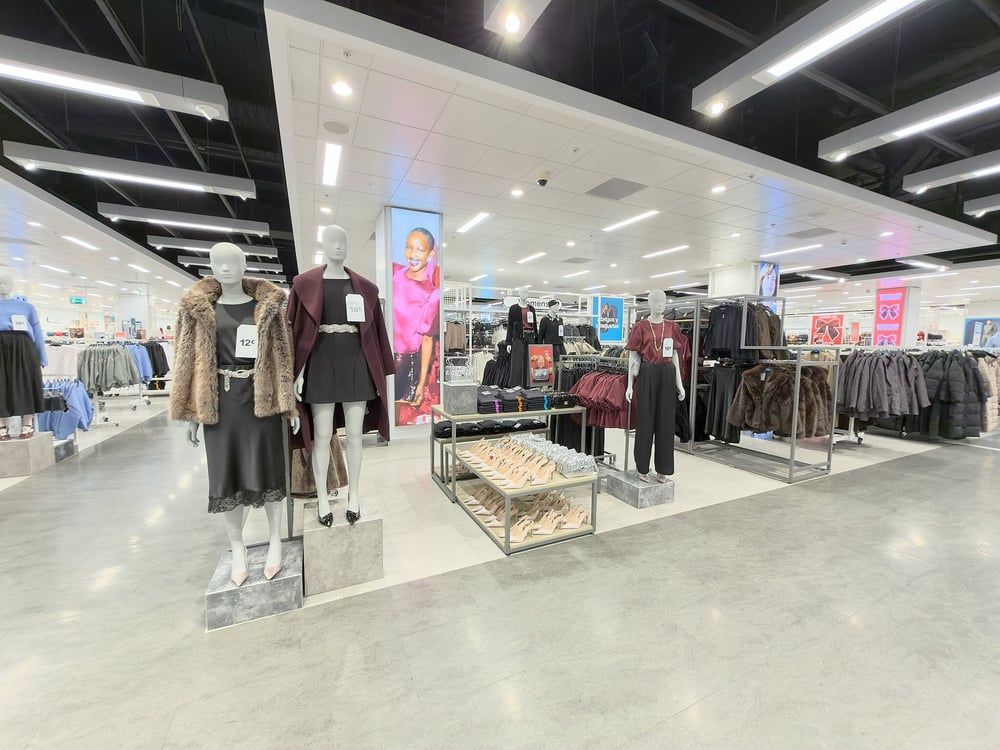
Despite the overall challenges, Primark experienced “encouraging” sales growth in the UK, rising approximately 3% with like-for-like sales up around 1.7% even amidst a “difficult clothing market, particularly over Christmas.” Crucially, Primark also “gained market share” during this time, attributing the success to strategic investments in enhancing its product range, improving price perception, and boosting digital engagement through initiatives like Click & Collect. Strong performance in womenswear was a particular driver of this positive trend.
The UK and Ireland represent a significant 45% of Primark’s total business, making this improvement particularly noteworthy. However, performance in continental Europe, which accounts for a larger 49% of sales, was less positive. Like-for-like sales declined by around 5.7% in this region, attributed to weak consumer confidence and the fact that initiatives similar to those successful in the UK are only recently being implemented.
In the US, which contributes 6% to Primark’s overall revenue, the retail environment was described as “volatile,” impacting both consumer sentiment and foot traffic. Despite these headwinds, sales in the US continued to grow at a double-digit rate, demonstrating the strength of the market and the impact of new store openings. The company’s ongoing store rollout program, including its first franchise store in Kuwait, contributed approximately 4% to overall sales growth during the period.
As a result of these varying regional performances, Primark’s sales growth fell below initial expectations, leading the company to revise its forecast for the first half of the year to low-single-digit growth. Profitability is also expected to be impacted, with increased markdowns implemented to effectively manage inventory levels. This move, while necessary for inventory control, negatively affected the company’s profit margins.
Looking ahead, ABF acknowledges the challenging trading environment and emphasizes its focus on controllable factors. A “broad range of initiatives” are planned for the coming months, aimed at driving improved sales and profitability, particularly in Europe. However, a significant improvement in profitability isn’t anticipated in the short term. The company projects an adjusted operating profit margin of around 10% for the full year, consistent with the first half, as continued investment in growth remains a priority.
It’s important to note a non-recurring profit benefit of £20 million in the first half of 2025. While the immediate outlook is cautious, there is optimism for medium-term improvement. The positive results in the UK, driven by strategic initiatives, suggest a potential turnaround in Europe as these programs are rolled out.
George Weston, CEO of ABF, summarized the situation, stating that Primark has experienced a “challenging start” to the financial year with a “mixed performance.” He highlighted the success of focused actions in the UK and acknowledged the weakness in continental Europe. Weston reiterated the company’s commitment to improving performance through initiatives in Europe and making progress on medium and long-term growth opportunities.