Private Luxury The New Frontier of Desire for the Elite Consumer
As the creative direction of leading fashion houses undergoes significant shifts, the fundamental question arises: what do today’s luxury consumers truly desire? Trends like quiet luxury, loud labels, bespoke exclusivity, and maximalism each offer a different answer. Yet, a consistent theme emerging from designers and industry executives points towards a burgeoning preference for "private luxury."
Private luxury encapsulates an exclusive sense of indulgence, often shared only with oneself or a select community of peers. It subtly distinguishes itself from "quiet luxury," which prioritizes sumptuous textiles, simple lines, and muted tones without overt branding. Instead, private luxury is about understanding and appreciating the intrinsic specialness of an item, ideally without widespread recognition. The smaller the circle of those who discern and value such choices, the greater the sense of belonging to an elite, informed group. Examples range from an obscure, high-value watch that flies under the radar of most, to a niche vintage car acquired through a community of enthusiasts, or bespoke shoes crafted by a custom cobbler who retains your unique lasts.
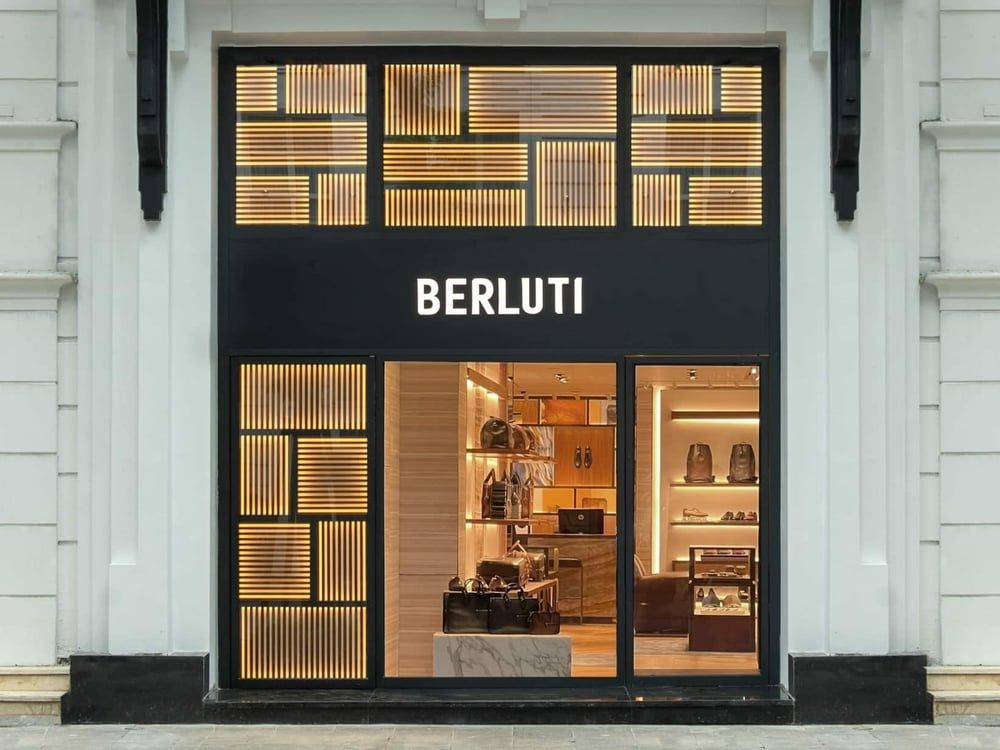
To delve deeper into these contemporary shopping mores, insights from Jean-Marc Mansvelt, CEO of Berluti, an LVMH-owned house known for its heritage in shoemaking, prove illuminating. Having taken the helm in early 2024, Mansvelt guides Berluti, which, unlike giants such as Louis Vuitton or Christian Dior, maintains a focused approach on its core competencies: footwear, ready-to-wear clothing, and leather goods. This strategy emphasizes quality over extensive expansion. "We don't want to expand, we don't want to multiply our stores, we don’t want either to enlarge our craft lines," Mansvelt states, underscoring a commitment to mastering their existing crafts. Berluti’s meticulously made items, though simple in design, command luxury prices, with sneakers starting at $1,200 and leather jackets reaching $9,000 or more, owing to their renowned craftsmanship and legacy. Japan stands as Berluti's primary market, with the Middle East rapidly gaining significance, while America ranks fifth.
Mansvelt identified five key desires shaping the modern luxury consumer's mindset. Firstly, customers "want to be part of the family," seeking a profound, two-way relationship with the brand. They desire to feel like esteemed members of a unique club, where their loyalty is acknowledged and appreciated. This strong affinity translates into repeat visits and a sense of comfort within the brand’s stores. Ultra-high-end brands have long leveraged this human instinct through invitations to exclusive events, personal shopping services, and subtle identifiers recognized only by those "in the know," fostering a discreet sense of belonging.
Secondly, consumers are increasingly seeking something "confidential"—distinctive and rare items not ubiquitously available. Mansvelt notes a shift away from mass-produced goods towards more low-key, unique pieces. This preference is evident in choices like a watch from an exclusive brand such as A. Lange & Soehne or F.P. Journe, whose singular designs and high value are only recognized by a connoisseur cohort. Such items not only signify personal taste but also serve as effortless conversation starters among discerning peers.
Thirdly, the "value formula" of price combined with quality has become paramount. While luxury is inherently expensive, consumers now demand that soaring prices, influenced by inflation, material costs, and aggressive pricing strategies, be justified by superior quality. A recent McKinsey report highlighted that the luxury sector's rapid expansion led to overexposure and a weakening of its core promises of exclusivity and craftsmanship, as some brands failed to match price increases with corresponding improvements in creative strategies and supply chains. However, updated reports indicate that among ultra-high-net-worth individuals, enhanced product quality, craftsmanship, and in-store service are key factors that would encourage increased purchases.
Fourthly, customers "want to feel the authenticity." This involves a desire for products imbued with meaning, deeply rooted in the history and heritage of the maison. Berluti exemplifies this by focusing on core motifs rather than broad new designs. Its leather goods, all crafted in Italy, often feature the brand’s signature patina. Iconic pieces, like the Forestière jacket, originally designed for Le Corbusier, are reinterpreted for new seasons, maintaining a strong connection to the brand's legacy. This adherence to authenticity also informs Berluti’s disciplined approach to not expanding into unrelated product categories, a sentiment echoed by other luxury leaders like Van Cleef & Arpels CEO Catherine Rénier.
Finally, clients are "looking for something that will last." This reflects a desire to invest in purposeful, high-quality items that will become enduring staples in their wardrobes for years to come, whether it's the perfect formal shoes or an essential seasonal jacket. While new silhouettes are introduced each season to keep the brand vibrant and creative, Berluti meticulously balances these fresh offerings with its timeless pieces. Crucially, all products must be superbly constructed, ensuring their longevity and continued relevance for the discerning buyer.