Recycled polyester sheds significantly more microplastics than virgin fabric according to new report.
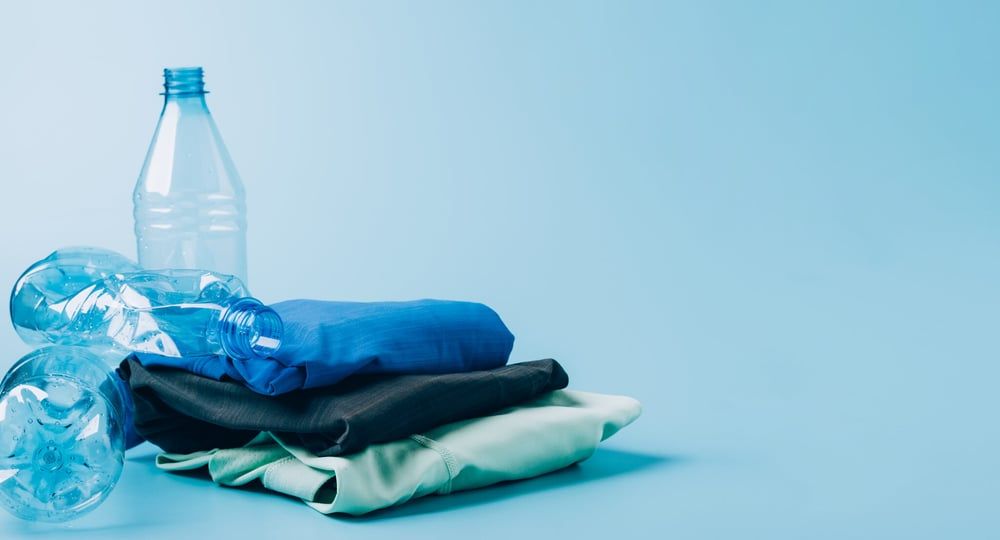
A recent 40-page report by the Dutch NGO Changing Markets challenges the prevailing positive image of recycled polyester, suggesting it releases significantly more microplastics than its virgin counterpart. The report, based on research conducted at Çukurova University in Turkey, indicates that recycled polyester sheds 54.8% more microplastic particles during testing. The NGO cautions that this figure may even be an underestimate, painting a picture less "virtuous" than brands often portray.
The study involved tests on 51 "representative" garments sourced from the product ranges of major brands: Adidas, H&M, Nike, Shein, and Zara. Further analysis revealed that when Shein products were excluded from the sample, the volume of microfibres released by recycled polyester increased to 72% higher than that of virgin polyester. The report also noted a difference in particle size, with microfibres from recycled polyester being 20% smaller than those released by virgin polyester.
While the study offered limited explanation for this disparity, it noted that recycling processes, whether chemical or mechanical, tend to weaken polymer chains. This weakening results in shorter, more imperfect molecular structures in the recycled fabric, potentially making them more prone to shedding. However, the study's primary focus was not on the technical aspect, but on what Changing Markets identifies as greenwashing in the industry.
The NGO argues that the vast majority of recycled polyester—98%—does not come from recycled textiles or clothing, but rather from converted plastic bottles. Changing Markets deems this practice misleading, allowing brands to claim environmental progress while increasing overall synthetic fibre production. According to the study, "recycled polyester has become a practical solution for the industry, allowing brands to claim progress in reducing their reliance on virgin plastic while increasing overall synthetic fibre production."
Market data supports this claim: while recycled polyester volumes increased last year, its overall market share fell from 12.5% to 12% because virgin polyester grew at an even faster rate. The report also highlights allegations of "polyester fraud," suggesting that some brands may be mislabeling products. The NGO asserts that Shein's polyester presented as recycled may not be genuinely recycled, citing the platform's removal of the word "recycled" from certain product pages. Similar practices were noted by the study at H&M and Nike.
In terms of specific brand performance, Nike was found to be the most polluting for both virgin and recycled fabrics, followed by Adidas. Nike's recycled polyester shed over 30,000 fibres per gram of garment on average, nearly four times more than H&M and seven times more than Zara. Adidas, however, defended its use of recycled polyester to AFP, stating it sees "an environmental benefit" because "no crude oil needs to be processed and plastic waste is reused," adding that it generates "far fewer greenhouse gas emissions compared with virgin polyester."
Adidas also cited other scientific studies, such as one by the NGO Microfibre Consortium, which find no significant differences between recycled and virgin fibres when it comes to microfibre shedding. H&M shared concerns about the environmental impact of fibre fragments, noting that polyester accounts for only 22% of its production and stating it is working on "research into production processes that reduce the release of particles." Nike, Shein, and Zara have not yet responded to AFP's requests regarding the study's findings.