Retail Footfall Fight: Conflicting Data Reveals a Mixed December Picture
Conflicting reports from MRI Software and BRC/Sensormatic have painted drastically different pictures of UK retail footfall performance in December, following previous disagreements over Boxing Day figures. While MRI Software reported a positive trend, BRC-Sensormatic presented a more pessimistic outlook, highlighting a decline in shopper numbers.
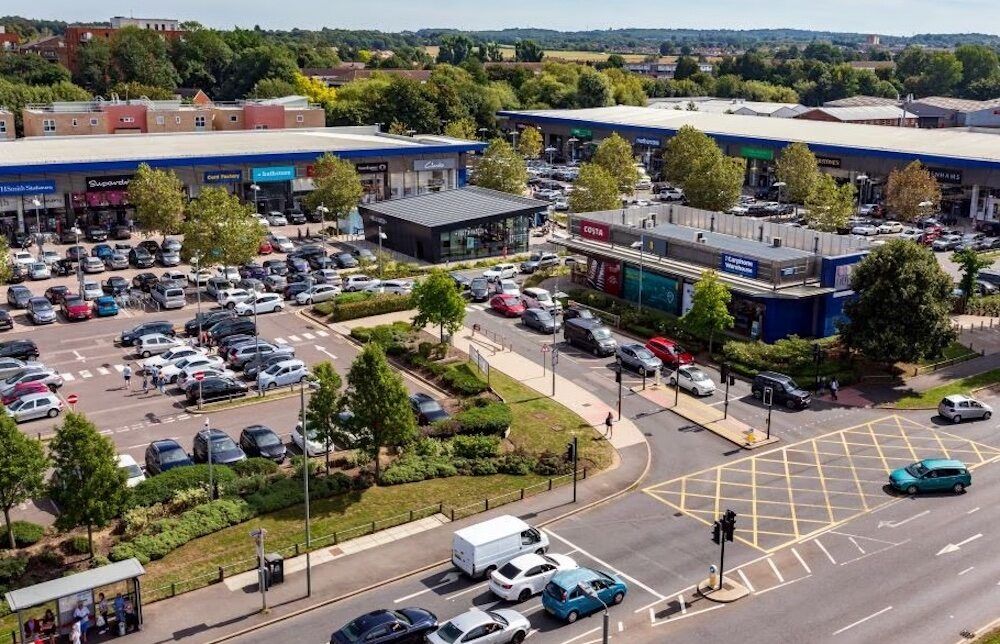
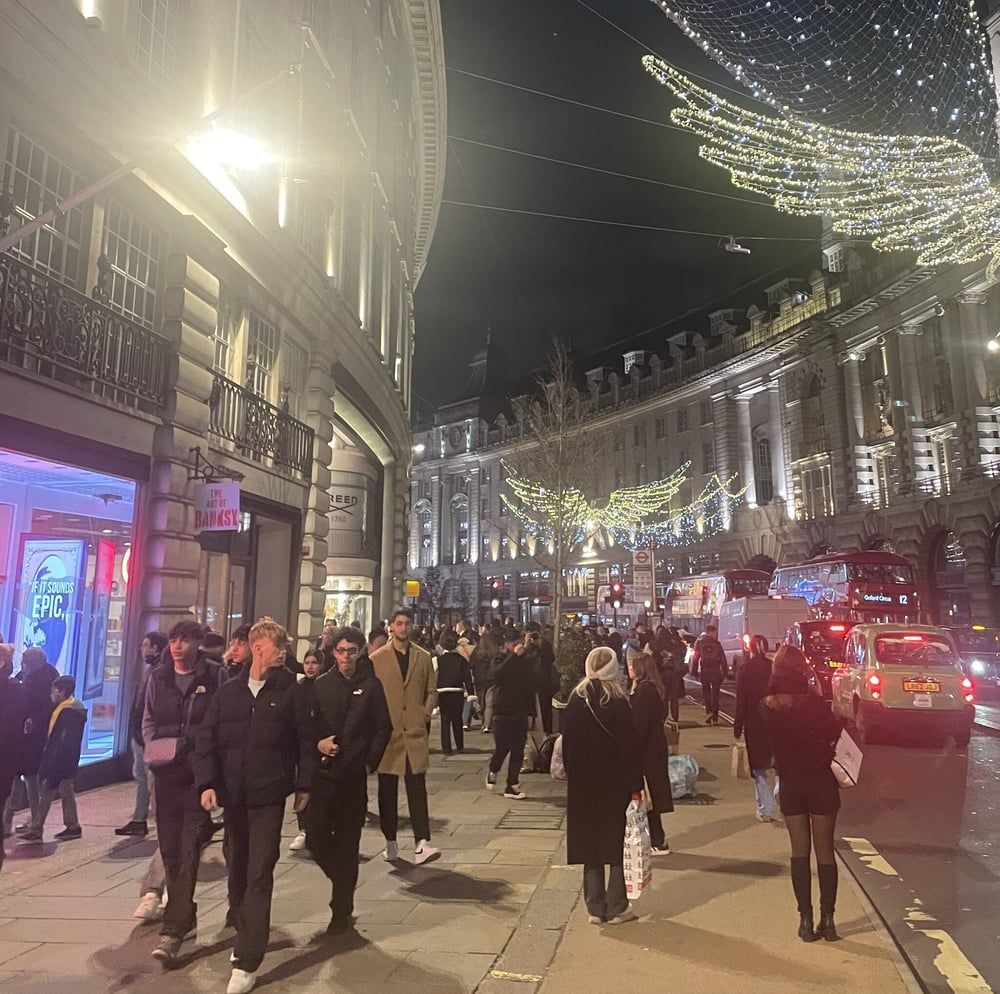
MRI Software claimed a 1.3% year-on-year increase in December footfall, describing it as a “festive boost” and the “biggest annual uplift for the month since 2011.” This growth was largely attributed to a significant surge in evening and night-time visits, up 5.3% after 5pm, suggesting consumers increasingly combined shopping with leisure and dining activities. High streets led the growth (+2%), followed by retail parks (+1.2%) and shopping centres (+0.1%), reinforcing the importance of experience-led shopping trips.
Boxing Day was particularly strong, according to MRI Software, with a 4.4% year-on-year increase in footfall – the best performance in a decade. Evening visits on Boxing Day were up almost 10%, indicating a shift towards post-Christmas trading being more about social experiences than purely transactional shopping. Despite a natural week-on-week drop in the final week of the year, overall annual footfall remained positive (+4.6%), boosted by activity in Central London and historic towns.
MRI Software emphasized the need for retailers to embrace data and insights, utilizing real-time information and digital engagement to understand shopper behavior. They believe future footfall growth will depend on experience, agility, and smarter data use, rather than simply maintaining a physical store presence.
In contrast, BRC/Sensormatic reported a 2.9% decline in total UK footfall for the five-week period from November 30th to January 3rd. This was a downturn from the -0.8% recorded in November. High street footfall dipped 0.9%, retail park footfall fell 2.5%, and shopping centres experienced the largest decrease at 5.1%.
The decline extended across all nations, with Scotland down 1.5%, Northern Ireland down 1.7%, and England and Wales both experiencing a 3.1% decrease. Helen Dickinson, BRC chief executive, stated that shoppers held off for post-Christmas sales due to rising bills and food costs, and were making fewer, more targeted shopping trips, particularly to shopping centres.
BRC/Sensormatic noted that this capped a challenging year, marking the third consecutive year of annual footfall decline, reflecting evolving shopping habits. They highlighted that locations offering a complete experience – combining shopping, eating, drinking, and leisure – were the ones that bucked the trend.
Andy Sumpter, Retail Consultant EMEA for Sensormatic, described December as the eighth consecutive month of declining footfall, bringing the “golden quarter” to a muted -2.2%. He acknowledged that retail hadn’t necessarily become harder, but less forgiving, due to shifting consumer demand and rising costs, urging retailers to invest in capabilities and services for sustainable growth.
Despite the challenges, Sumpter pointed to pockets of demand, noting that shopper traffic rallied outside traditional peak days, indicating changing festive buying patterns. He also highlighted that the UK’s footfall decline was the second smallest among G7 markets in December, suggesting a degree of resilience.
Looking ahead, MRI Software reported that while December provided a welcome uplift, retailers remain cautious about January, with 76% expecting sales to be lower than last year. However, there are “early signs of resilience,” as 38% of retailers reported that Christmas returns had already positively impacted sales, sustaining footfall into early January and offering an opportunity to re-engage shoppers.