Saks Fifth Avenue Parent Faces Potential Bankruptcy Amid Mounting Debt
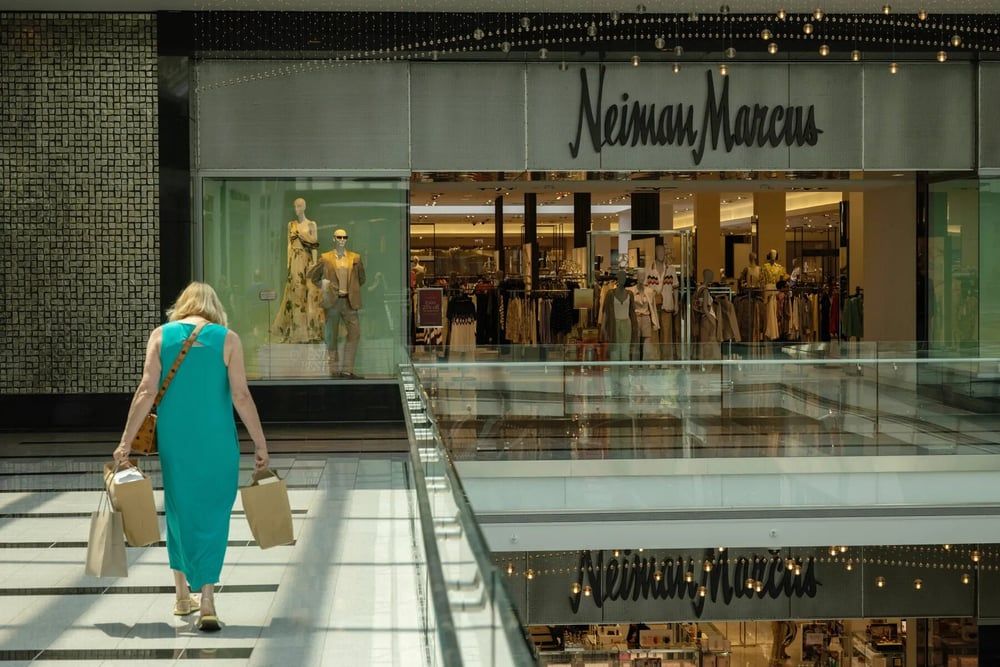
Saks Global, the parent company of luxury department store Saks Fifth Avenue, is reportedly preparing to file for bankruptcy in the coming weeks. This decision follows a missed debt payment of over $100 million on Tuesday, related to its acquisition of Neiman Marcus, according to a report by the Wall Street Journal citing sources familiar with the matter.
The missed interest payment has prompted Saks Global to engage in discussions with its creditors to secure financing specifically for the impending bankruptcy proceedings. As of now, Saks Global has not issued an official response to requests for comment regarding these developments.
The company’s financial struggles are attributed to a challenging economic climate in the US, characterized by rising inflation and a softening labor market. These factors have led to a decrease in discretionary spending, significantly impacting the demand for luxury goods, which are a core component of Saks Fifth Avenue’s business.
Over the past year, Saks Global explored various avenues to alleviate its debt burden. These included attempts to sell a minority stake in Bergdorf Goodman, another luxury retailer within its portfolio, as reported by a Saks Global spokesperson in September. Additionally, the company sought to generate cash through the sale of assets, such as a property located in Beverly Hills.
Prior to the current crisis, Saks Global underwent a debt restructuring in August 2025, which involved securing approximately $600 million in new funding and exchanging $2.2 billion in senior secured notes. However, these efforts proved insufficient to overcome the mounting financial pressures.
Saks Global was formed in July of the previous year through Hudson's Bay Company’s $2.65 billion acquisition of Neiman Marcus. The merger aimed to consolidate Saks Fifth Avenue, Neiman Marcus, and other luxury retail and real estate assets, creating a stronger competitor against established department store chains like Nordstrom, Bloomingdale's, and Macy's.
The acquisition was financed through a combination of new investments from prominent companies, including Amazon, Authentic Brands Group, and Salesforce, alongside $2.2 billion in senior secured notes and an asset-based credit facility. Despite the initial investment, the combined entity has now found itself facing significant financial difficulties.