Savile Row's Royal Tailors Embrace a New Generation of Apprentices
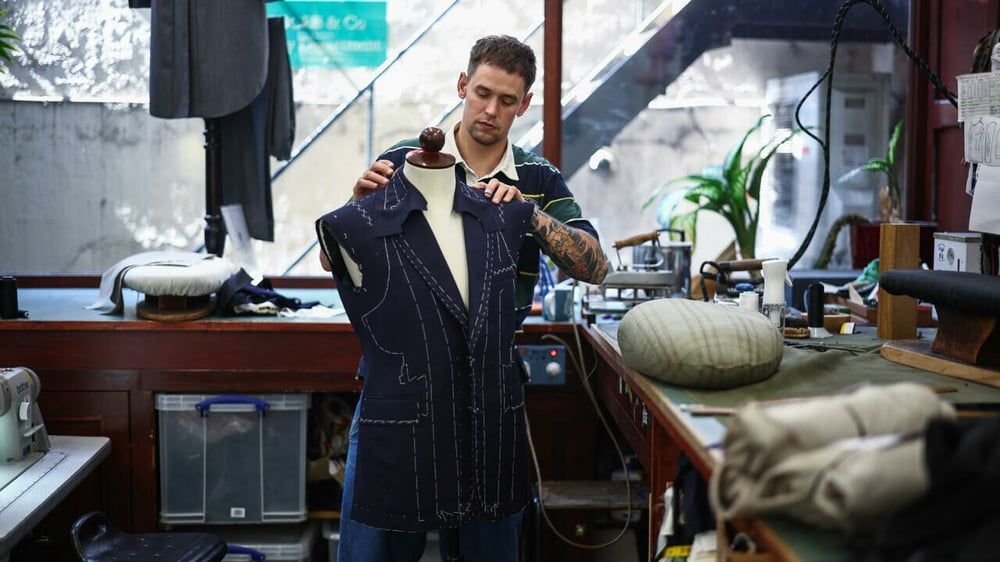
Beneath the distinguished façades of London's Savile Row, the hallowed workshops of bespoke tailors are experiencing an unprecedented surge of youthful energy. Aspirants are now vigorously competing for apprenticeships, bringing a vibrant, new generation into an industry often perceived as old-world. This resurgence is being highlighted during London Fashion Week, where the sartorial street, famed for dressing royalty and spies, proudly showcases the talents of its trainees, reflecting a significant turnaround in interest over the past year and a half.
For many years, securing an apprenticeship at Savile Row's exclusive houses was an informal, and at times, challenging endeavour, with master tailors often hesitant to impart their closely guarded trade secrets. However, the landscape shifted with the rise of ready-to-wear fashion. Recognizing the imperative to preserve their unique craft, Savile Row tailors collectively established a formal apprenticeship programme two decades ago. This initiative, the Savile Row Bespoke Association (SRBA) Apprenticeship Scheme, launched in 2007, has since seen over 100 individuals graduate, ensuring the generational transfer of invaluable skills.
The SRBA scheme immerses apprentices in a rigorous training regimen, typically lasting between two and six years within a Savile Row house. During this period, they specialize in a particular aspect of tailoring, such as coatmaking, troublemaking, or cutting, culminating in an appraisal by a panel of master tailors. While many of the UK's heritage crafts face the threat of obsolescence, Savile Row retailers credit this structured programme with revitalizing their trade, steadfastly maintaining the exceptional quality and esteemed reputation for which their craft is renowned worldwide.
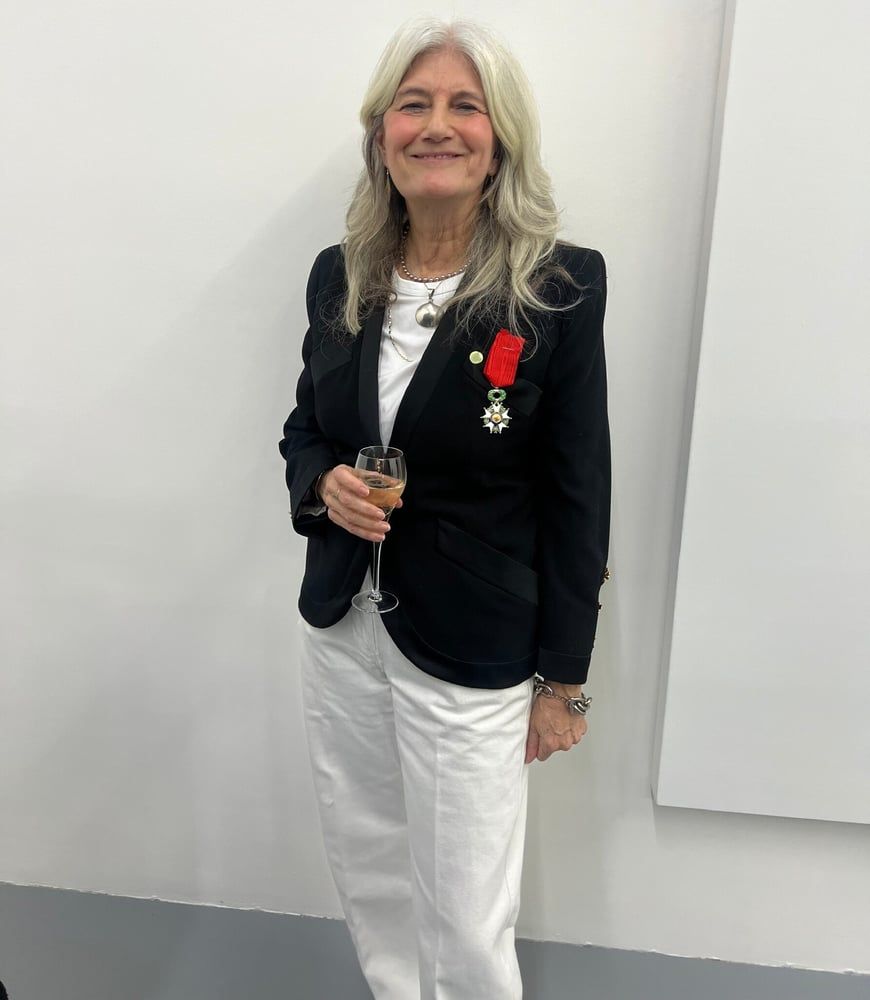
The demographic shift within these workshops is particularly striking. Jinny Seals, a veteran coatmaker at Henry Poole & Co, recalls joining in 2002-2003 when the average age in the workshop was around 55, and women were a rarity. "There was a bit of a drought of apprentices," she noted. Today, the situation is dramatically different; Henry Poole receives "piles of CVs," and the gender balance has equalized, with "just as many girls as boys." This transformation in a relatively short period speaks volumes about the renewed appeal of bespoke tailoring.
The contemporary workshop environment at Henry Poole, located below the main shop floor, reflects this change. Hip-hop music often fills the air as trainees and mentors work collaboratively, their heads bent over sewing machines and meticulously arranged fabrics of cotton and wool. Henry Poole currently hosts three apprentices, with two more poised to begin. Wendy Berberi, 22, who completed her apprenticeship this year, joined Henry Poole at 16 during the pandemic. Despite initially not envisioning a career on Savile Row, primarily known for menswear, she quickly "really, really enjoyed it." She champions the apprenticeship model, emphasizing the necessity of direct, hands-on learning "right next to a person," believing it to be "the way forward in certain industries" for preserving "old-school methods" and "keeping the tradition going."
Simon Cundey, managing director and owner of Henry Poole & Co, suggests a deeper societal trend behind this surge in interest. He observes "a high demand now for a different way of life" since the Covid-19 pandemic, with individuals increasingly moving away from traditional office jobs in favor of stable careers that involve creating things with their hands. Cundey highlights the intrinsic value of learning a craft, describing it as "a safeguarding job because you only tend to get better as you get older." This sentiment is echoed elsewhere on the Row; Dege & Skinner, a few shops down, currently has its highest ever number of apprentices at five, all of whom will be women.
Beyond the formal apprenticeships, broader initiatives are celebrating and nurturing new talent. This year marks the 50th anniversary of the Golden Shears Award, which honors tailoring students, with Savile Row houses proudly displaying the works of past winners during London Fashion Week. Furthermore, the London Academy of Bespoke (LAB), conveniently located on Savile Row, launched a pre-apprenticeship course last year. Jinny Seals, who teaches at LAB, notes that "sustainability" and "slow fashion" are significant motivations for students. She describes a "kickback" against the environmental consequences of fast fashion and its waste, leading people to "look at that and thought, nah, I'd like to learn the old ways."
This renewed enthusiasm for traditional craftsmanship, driven by a desire for meaningful careers, a rich heritage, and a conscious turn towards sustainable practices, signals a robust future for Savile Row. The influx of diverse, young talent not only safeguards these intricate skills but also ensures the continued evolution and timeless relevance of bespoke tailoring, a craft that, as Seals succinctly puts it, "is never going to end."