Selfridges Boosts Profitability Despite Revenue Dip Through Strategic Shift
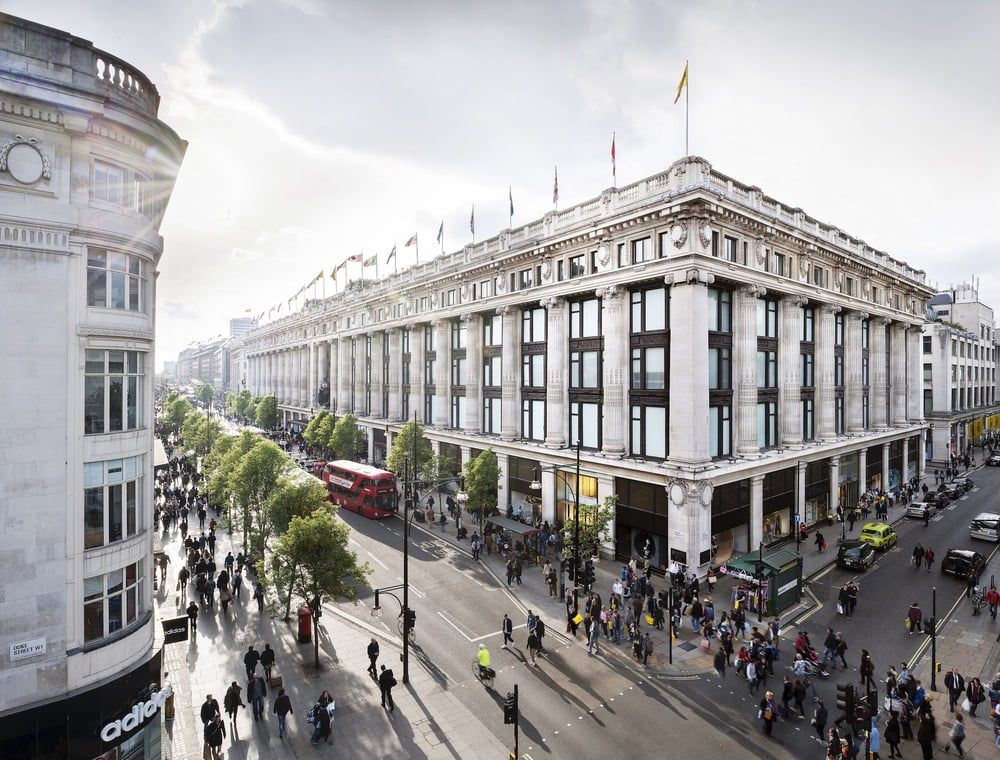
Selfridges Retail has reported its financial results for the 48 weeks leading up to early January 2025, indicating a significant improvement in profitability despite a technical decrease in reported revenue. The company disclosed that revenue declined to £774.6 million from £834.9 million in the prior period. However, it's crucial to note that the previous financial cycle spanned 53 weeks, ending in February 2024. A simplified per-week calculation reveals a better revenue performance in the most recent 48-week period, suggesting underlying strength despite the headline figure.
The reported revenue dip was not solely due to the shorter financial year; Selfridges attributed it partly to a strategic shift towards more profitable sales, particularly within its digital retail segment. This renewed focus on higher margins, coupled with stringent cost controls, was instrumental in boosting the company's operating profit. This strategic emphasis underscores a deliberate move away from simply maximizing turnover towards optimizing financial returns.
Consequently, the increase in operating profit appears even more impressive when considering the context. Operating profit surged to £42.2 million from £27.7 million a year earlier. While the company still recorded a pre-tax loss of £15.9 million, this marks a substantial improvement from the £41.9 million deficit reported in the previous year. After accounting for income tax credits (£17.7 million this period, compared to £28.1 million previously), Selfridges achieved a profit of £1.8 million for the latest financial period, a notable turnaround from a £13.8 million loss in the prior year.
Selfridges acknowledged that its trade and turnover continue to be influenced by various economic headwinds. These challenges include a reduced number of international visitors to the UK, directly impacting in-store shopping—a clear reference to the absence of tax-free shopping for tourists. Additionally, the company contended with supply chain disruptions stemming from global conflicts and shipping delays, alongside broader economic pressures such as inflation, exchange rate fluctuations, rising prices across luxury brands, and the general increase in the cost of living.
During the shorter financial year, Selfridges also underwent a partial change in ownership. Austria-based Signa Retail exited its position as a minority owner, with Saudi Arabia’s Public Investment Fund (PIF) acquiring the holding. Thailand’s Central Group maintains its majority shareholding, with PIF now serving as its minority partner, solidifying the new ownership structure.
Retail analysts have weighed in on Selfridges' performance during what was undoubtedly a turbulent year. Ashley Adeyemi, a retail analyst at GlobalData, observed that while the company has successfully reduced its losses, it "has yet to break free from the drag of a weakening luxury market." However, Adeyemi highlighted the proactive steps Selfridges is taking to reverse its fortunes.
Adeyemi specifically praised the department store’s continued focus on experiential retail. This strategy involves leveraging events, exclusive services, and unique in-store destinations to cultivate customer loyalty and encourage repeat visits, aiming to build resilience in a challenging luxury environment. The Selfridges Unlocked membership scheme has been further integrated, with plans for expansion in 2025 to reward customers for engagement across various touchpoints, from dining and cinema experiences to beauty services.
However, Adeyemi also raised concerns regarding the conversion effectiveness of this innovative approach. She noted that it is possible for customers to reach the top 'Very Selfridges Person' tier without making a purchase, a point the retailer itself acknowledges. Without clearer data on whether increased engagement directly translates into higher spending, the commercial impact of this loyalty strategy remains ambiguous.
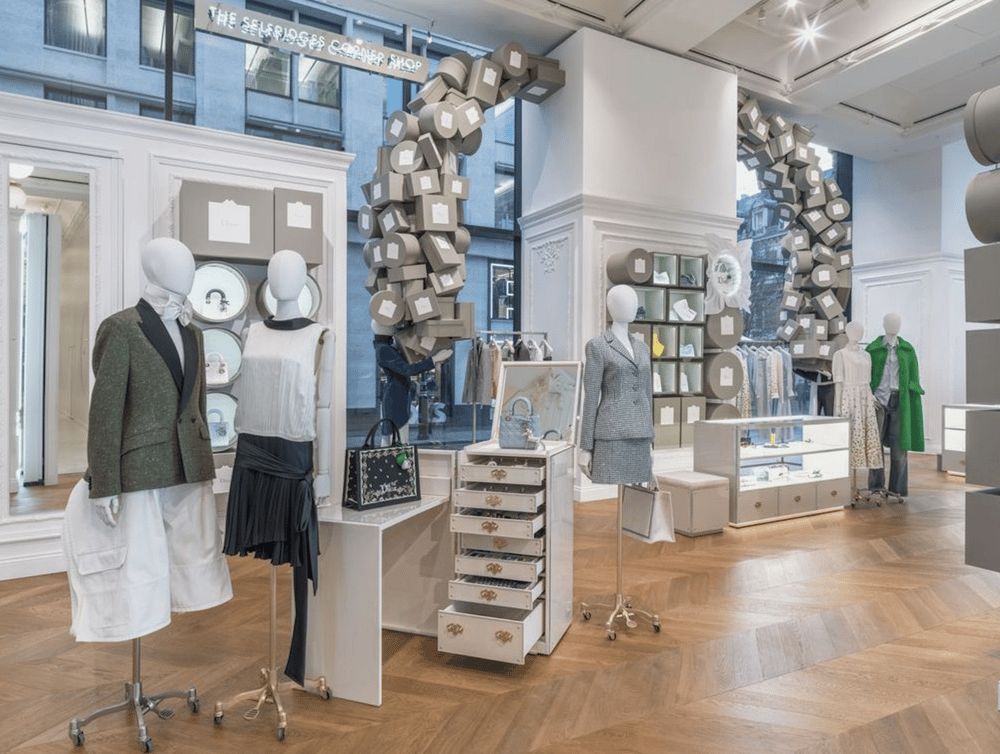
Conversely, other initiatives demonstrated stronger and more measurable traction. The refurbished London beauty hall yielded "robust results," with sales increasing by 10%, appointments by 22%, and beauty concierge bookings soaring by 135%. The ReSelfridges circularity program also resonated well with customers, particularly younger demographics, evidenced by a 56% rise in pre-owned bag sales and a 90% increase in pre-owned watch sales. Furthermore, the pop-up Corner Shop space successfully hosted 32 immersive brand experiences, attracting over 60,000 visitors and reinforcing Selfridges’ standing as both a retail and cultural destination.