Shein's Paris Pop-Up Sparks Retail Existential Crisis
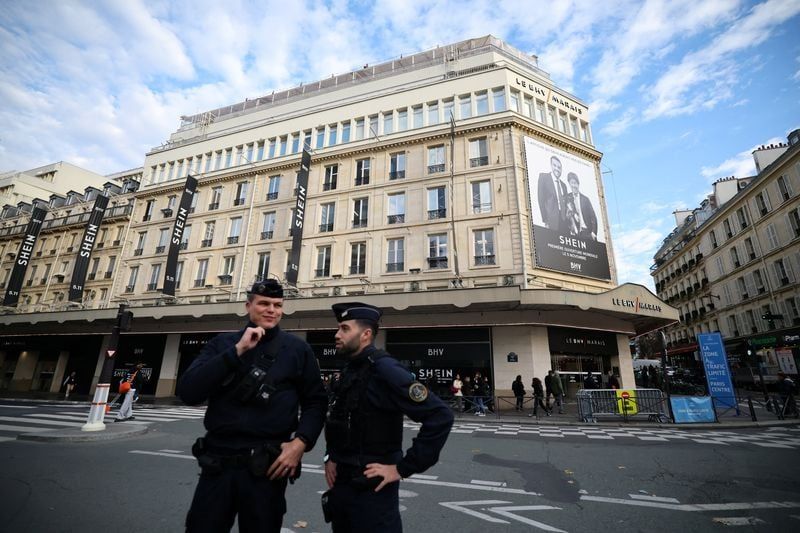
The recent opening of Chinese budget retailer Shein's first physical store within Paris's renowned BHV department store has ignited a fierce debate, casting a spotlight on the existential challenges facing traditional retail. This move has drawn significant political scrutiny, with lawmakers and competitors expressing concern over Shein's low-cost business model and its perceived negative impact on French shopping streets. For BHV, a storied establishment known for its diverse offerings, the partnership represents a strategic effort to attract a younger demographic increasingly drawn to online platforms like Shein for everything from cosmetics to clothing.
The struggles of department stores extend far beyond the Rue de Rivoli, with retailers globally grappling to recover from pandemic-induced drops in footfall. The meteoric rise of online retail, particularly the ultra-fast fashion segment, poses an unprecedented threat. As Laetitia Henry, general manager of Printemps Haussmann, noted, the competitive landscape has shifted dramatically from local department stores to e-commerce, and now to international ultra-fast fashion brands capable of replicating designer creations at a fraction of the cost and speed. This pressure is evident in the US, where Macy's is shuttering stores and Saks Global explores divestitures to manage debt.
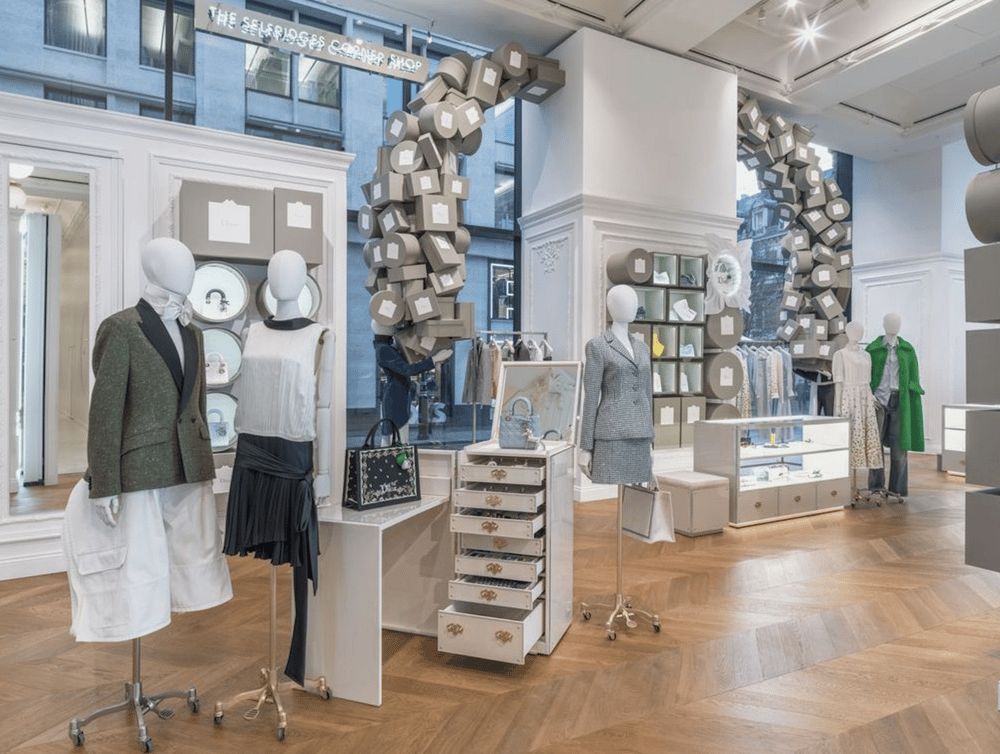
In response to this evolving retail environment, many leading French department stores have embarked on ambitious reinvention strategies. Flagships like Printemps, Galeries Lafayette, and LVMH-owned Le Bon Marché are transforming into lifestyle destinations, offering bespoke luxury experiences aimed at enticing shoppers back into their grand halls. These initiatives include fine dining, beauty treatments, in-store ice rinks during festive seasons, and regular cultural events like concerts and dance performances. Galeries Lafayette, for instance, invested over 100 million euros in renovations during the pandemic, including the refurbishment of its iconic stained-glass cupola, a strategy that has successfully boosted visitor numbers beyond 2019 levels.
Société des Grands Magasins (SGM), which acquired BHV two years ago, views its collaboration with Shein as a crucial innovation to secure its future. The initial results were striking: traffic at BHV reportedly surged by 50% on Shein's launch day, with a quarter of Shein buyers making additional purchases elsewhere in the department store. Shein itself described France as a "natural choice" for testing physical retail, leveraging its extensive online sales data to predict local consumer preferences accurately. This partnership, SGM president Frederic Merlin contends, represents a proactive step forward for a sector often declared to be dying.
However, the long-term viability and broader implications of the Shein partnership remain a significant question mark. Mid-range department stores, struggling to carve out their niche in the luxury experience market, are closely monitoring BHV's experiment. Selvane Mohandas du Ménil, managing director of the International Association of Department Stores, highlighted the uncertainty surrounding how much of the increased traffic and spending truly trickles down to other parts of the store. Furthermore, BHV itself has faced internal challenges, including past reports of late payments to brands, leading to product shortages and concerns among workers. Initial customer feedback also indicated that some found Shein's in-store prices higher than expected, and SGM has since delayed the opening of five more Shein shops in other French department stores to refine its marketing approach. These stores, originally branded Galeries Lafayette under a franchise agreement, will now operate under the BHV name.
The controversy surrounding Shein's entry into the French market is compounded by regulatory and political backlashes. The Paris city hall notably refused to allow BHV to host outdoor Christmas events this year, citing the "highly controversial context" of the Shein partnership. Prior to the store opening, France had suspended Shein's marketplace after child-like sex dolls were found for sale on the platform, although proceedings were halted once illicit products were removed. More broadly, the outcry against Shein has influenced European discussions on customs duties for low-value parcels, with new duties expected by 2026 – mirroring similar suspensions in the US – that will directly impact Chinese retailers like Shein and Temu. This raises a fundamental strategic dilemma for department stores, encapsulated by Mohandas du Ménil: "Is Shein really a traffic driver for department stores... or are you just killing yourself... That's a big question that everybody is looking at now."