Sneaker Boom Faces a Potential Slowdown After Two Decades of Growth
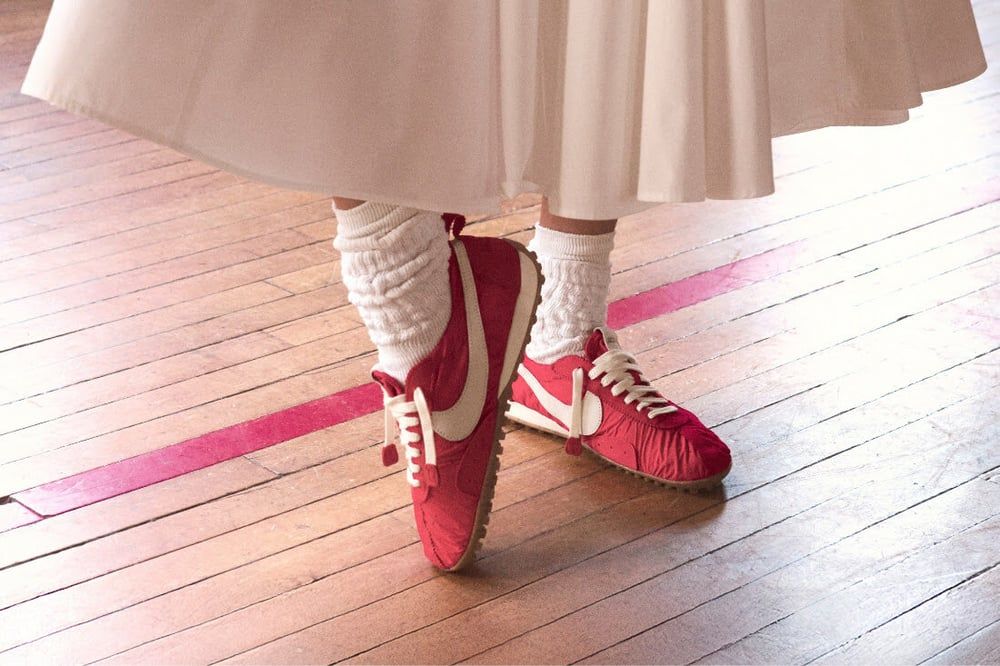
For nearly two decades, the athletic footwear industry has experienced substantial growth as consumers increasingly favored sneakers over traditional dress shoes for a wide range of occasions, from commuting to social events and even the workplace. This shift proved highly beneficial for major sports brands like Adidas, Nike, and Puma, who successfully catered to evolving consumer preferences with comfortable and stylish sneakers suitable for both athletic pursuits and everyday wear. The rising demand also fueled the rapid expansion of newer brands such as Hoka and On Holding, which gained prominence following the 2008 financial crisis.
However, the future of this long-standing sneaker boom is now facing scrutiny, particularly from analysts at Bank of America led by Thierry Cota. Their recent 61-page analysis sent ripples through the footwear market, concluding that the growth potential for these leading sports brands is rapidly diminishing.
The analysts argue that the sporting goods sector enjoyed a 20-year period of exceptional growth – an “upcycle” – that saw sneakers increase their share of global footwear sales from under 25% to at least 50%. This trend reached its peak during the Covid-19 pandemic, as millions transitioned to remote work. “With this structural shift largely complete, prospects for future revenue growth are now significantly reduced,” they stated.
This assessment led to a rare “double downgrade” of Adidas, with the analysts removing their “buy” rating and designating the stock as one of the least attractive in the industry. Their claim that the sneaker boom has peaked sparked debate, with some industry observers questioning the analysis. Matt Powell, an industry analyst at Spurwink River, expressed skepticism, stating, “C’mon, man! No evidence of this.”
Adidas shares initially plummeted as much as 7.6% in response to the downgrade, although they partially recovered by the week’s end. Currently, sneakers account for approximately 60% of footwear sales in the US, according to Beth Goldstein, an analyst at Circana in New York. She believes the popularity of sports shoes is linked to a broader societal emphasis on comfort, health, and wellness – priorities unlikely to fade soon. Through November of last year, the US sneaker category grew by 4%, while the fashion footwear category declined by 3%.
“The sneaker business is larger than ever,” Goldstein emphasized. “I wouldn’t even call casualization a trend — it’s just a key consumer preference.” Nevertheless, sneaker manufacturers have encountered challenges since the pandemic, including difficulties in anticipating shifting consumer tastes, slowing sales in China, and potential US tariffs. Adidas shares have fallen by nearly a third in the past year, and even On Holding’s stock has decreased by over 10% despite strong revenue growth.
Poonam Goyal, an analyst at Bloomberg Intelligence, suggests that the casualization trend hasn’t disappeared but has stabilized, leading to more balanced consumer wardrobes. “The category has moved beyond the pandemic-driven demand spike and is now operating in a more normalized environment,” she explained.
There are indications that sneakers are beginning to influence the dress shoe market. In 2025, the New Balance 1906L, a hybrid of a boat shoe and a running trainer, was the best-selling loafer on the Stockx resale platform. Furthermore, collaborations between sneaker brands and luxury labels like Gucci and Moncler are increasingly popular, with celebrities and fashion influencers sporting high-end versions of trainers.
The Bank of America analysts don’t anticipate a return to formal dress shoes anytime soon. However, they note that the sporting goods industry, after booming during the pandemic, has experienced slower growth – below its historical average – since mid-2023. They found no evidence of a significant rebound, citing data from credit card purchases, sluggish sales from Asian suppliers, and cautious outlooks from industry leaders regarding 2026.
If the sporting goods industry historically grew by around 9% annually since 2007, driven by the shift to sneakers, the analysts predict future annual expansion may be limited to 4% or 5%. Their optimistic scenario suggests a prolonged slump due to economic concerns and recent setbacks at Nike, potentially leading to a resurgence as early as 2027. However, they acknowledge a more pessimistic possibility: “The emergence of a new, less favorable long-term industry paradigm.”