Stone Island’s Hangzhou Flagship Embodies a New Era of Conscious Consumption
The opening of the Stone Island flagship store in Hangzhou marks a pivotal moment for the brand, coinciding with a significant shift in global consumer behavior. As rationalism returns and the "performance wardrobe" concept gains prominence, customers increasingly prioritize long-term value, material innovation, and a sense of community over fleeting trends. This transformation resonates deeply with Stone Island's core philosophy, positioning the brand to meet the demands of a more discerning clientele.
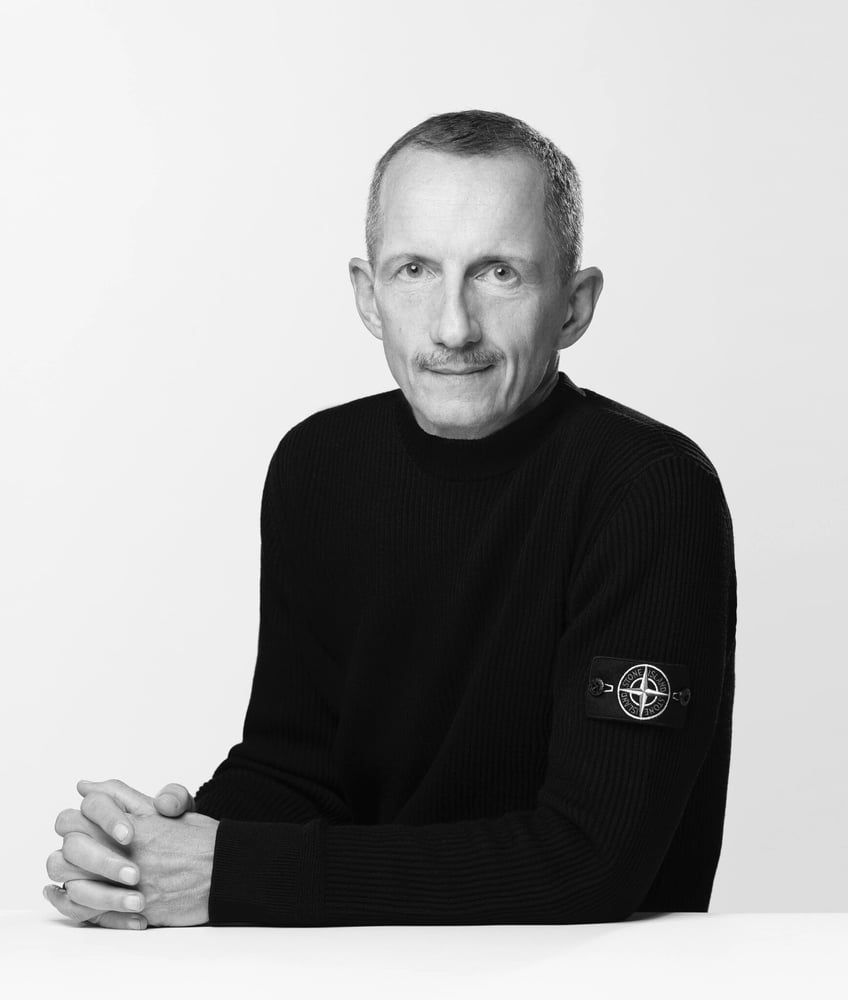
For Robert Triefus, CEO of Stone Island, his recent visit to Hangzhou was a particularly exciting "first meeting" in 25 years, despite his extensive experience in the luxury industry and numerous trips to China. His enthusiasm stemmed not only from Hangzhou's unique blend of tradition and vibrancy but also from a keen observation of the dynamic subcultural waves unfolding across China. Discussing the brand's essence and future development over Longjing tea by West Lake, Triefus highlighted the strategic importance of this new chapter.
Following successful openings in Beijing and Shanghai, Stone Island's choice of Hangzhou for its large-scale flagship store signals a deliberate strategic shift within the Chinese market. Triefus deeply admires China's "beautiful contradiction"—the profound connection between its past and future. Hangzhou, for him, epitomizes this blend of heritage and innovation, mirroring Stone Island's own brand ethos of honoring its archive while relentlessly pursuing material research and technical advancement. This accessibility, particularly from Shanghai, also allows the brand to connect with loyal customers, inviting them to experience both the city's rich tradition and the innovative spirit of the new store.
The highly architectural and experimental retail space, designed in collaboration with OMA/AMO, plays a crucial role in telling Stone Island's story and fostering community. Through a long-standing partnership, OMA/AMO ensures a consistent global design language while allowing each store to retain its distinct character. Signature materials like distinctive green glass, cork, and rammed earth define the aesthetic, while integrated screen technologies project videos that narrate product stories and celebrate the brand's community, creating an immersive environment that directly reflects the collection's spirit.
In the current market, Stone Island's core fundamentals—rooted in material innovation and technical expertise—are more relevant than ever. Triefus, having witnessed China's consumer evolution over 25 years, notes a remarkable shift from a focus on logos as status symbols to a demand for sophisticated quality and compelling brand narratives. Stone Island, by creating "clothing as a solution for real life" with a legacy of purposeful, high-quality items, aligns perfectly with these new values. The enduring worth of its products is evident in the vibrant vintage market, where collectors, including many in China, actively seek out pieces from past decades.
Chinese consumers' sensitivity to performance and material innovation is a key characteristic that Stone Island directly addresses. The brand doesn't just offer performance or technical apparel; it crafts a complete wardrobe for everyday life. Its pieces are renowned for being durable, windproof, and weatherproof, designed for daily performance, and are subjected to extremely high levels of quality control to meet the market's exacting standards. The inclusion of rare and innovative archival pieces, such as a supple metal fabric garment, alongside items marked with a white badge—symbolizing the pinnacle of research and development—showcases this unwavering commitment within the new stores.
Community building for Stone Island has evolved organically over 45 years, initially from various subcultures and expanding to include musicians, athletes, and artists. A similar natural evolution is observed in China, attracting a new community of collectors, musicians, and actors. A notable difference in the Chinese market is the significant role of women, who account for 30–35% of customers compared to 20% globally. Many of these women purchase not just for partners but also for themselves, embracing the brand's unisex appeal. This growing diversity is reflected in the brand's storytelling, with figures like musician Peggy Gou leading the way alongside global ambassadors such as Steph Curry and Chinese actor Ethan Ruan, all chosen for their genuine connection to the brand, with plans for further expansion of Chinese female representation.
Beyond its retail function, the new Hangzhou store offers unique experiences to Chinese consumers, including a traveling archive collection that features some of Stone Island's rarest and most innovative pieces. These curated experiences, alongside new store concepts and integrated digital storytelling, aim to deepen customer engagement. The most technically advanced items, marked with the distinctive white badge, are a permanent fixture, symbolizing the brand's ongoing commitment to pioneering research and development, inviting customers into the heart of Stone Island's innovation.
Since its acquisition by the Moncler Group, Stone Island has seen crucial strategic changes aimed at sustained growth for a niche brand. Moncler acts as a "silent partner," respecting Stone Island's unique DNA and independence, while providing essential support in three key areas: leveraging Moncler's powerful technical and logistics systems, receiving support for retail site selection to aid global expansion, and bringing in key executives to inject valuable experience and momentum. This partnership allows Stone Island to maintain its distinct identity while benefiting from a robust support structure for global development.
The Chinese market is poised to play a significant role in Stone Island's global growth. The brand is prioritizing quality over quantity, focusing on optimizing its presence in key, high-potential markets. For China, this means opening a select number of new stores in cities like Hangzhou, identified for their strong, energetic subcultures that resonate with the brand's identity. In established markets like Europe and the U.S., the focus is on refining the retail footprint, relocating existing stores to higher-profile locations to showcase the new store concept and enhance brand image. Alongside physical expansion, Stone Island launched a new website and WeChat mini-program last year, emphasizing the importance of digital channels to offer clients a seamless experience worldwide.