Super Monday Takes the Lead: Christmas Shopping Shifts to a Later Peak
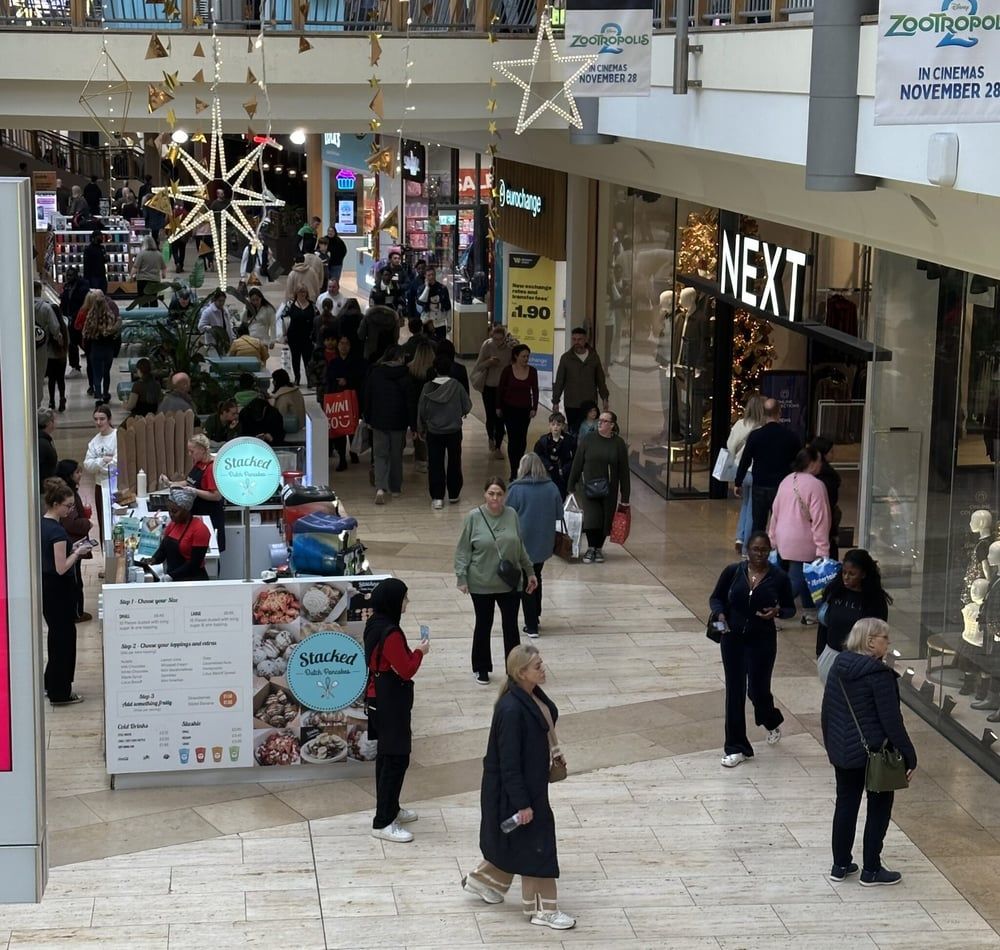
Christmas shopping traffic experienced a slower start than anticipated, shifting the peak shopping days from the traditional “Super Saturday” to what’s now being dubbed “Super Monday” or “Super Tuesday.” Data from Sensormatic Solutions ShopperTrak Analytics reveals a 6.9% decrease in store visits on December 20th compared to the previous year, indicating a less vibrant shopping weekend than retailers had hoped for.
Anecdotal reports from the FashionNetwork.com team corroborate the data, suggesting stores weren’t as bustling as usual. The early timing of Christmas Day – falling on a Thursday this year – is believed to be a contributing factor, as consumers may not have felt the urgency for a last-minute shopping spree quite yet. With many already taking time off work and schools now closed for the holidays, shoppers are expected to spread their shopping trips throughout the week, taking advantage of the opportunity to shop with their families.
High street locations demonstrated more resilience, experiencing a smaller decline of 3.7% in foot traffic compared to 2023. However, the overall trend points towards a delayed shopping peak. Positively, retail traffic throughout the week leading up to Saturday saw an 11.2% increase, and store visits on the 20th were up 1.5% compared to the previous week. Retail Parks specifically showed a significant jump, with a 10.9% increase in visits week-on-week.
The lack of activity on Super Saturday is anticipated to intensify spending hesitancy, pushing the bulk of festive demand to the very last minute. Retailers are bracing for a significant rush in the days immediately preceding Christmas, with Tuesday, December 23rd, projected to be the third busiest in-store shopping day of the peak trading period. This shift means the final few days will be crucial for retailers.
According to Andy Sumpter, EMEA Retail Consultant at Sensormatic Solutions, the subdued performance on Super Saturday represents a setback for retailers hoping to capitalize on the traditionally busy shopping day. He notes that consumer caution and spending hesitancy have disrupted typical demand patterns throughout the festive season, with shoppers taking more time to consider purchases and potentially anticipating early Boxing Day promotions, similar to those offered last year. Sumpter concludes that shoppers are likely to delay purchases until the very last possible moment.