Swiss Envoy Presses US on High Tariffs in Bid for Favorable Trade Deal
Switzerland's economy minister, Guy Parmelin, recently concluded his third visit to Washington, D.C., for critical discussions aimed at resolving the substantial tariffs imposed on Swiss goods. His schedule included a meeting with US Trade Representative Jamieson Greer, as Bern continues its determined efforts to negotiate a reduction in the significant tariff rate that has heavily impacted the nation's economy.
The current trade predicament began in August when then-US President Donald Trump announced a staggering 39% duty on imports from Switzerland. This rate was among the highest in his global tariff initiatives. Since then, the affluent European nation has been vigorously pursuing negotiations for a more favorable tariff deal, a necessity underscored by its decision to slash its 2026 growth forecast as the tariffs increasingly burden its crucial export-driven economy.
Recent developments offer a glimmer of hope. On Monday evening, Bloomberg News reported that Switzerland was nearing an agreement to reduce the tariffs to 15%, aligning them with the rates applied to goods from the European Union. This report cited unnamed sources familiar with the ongoing discussions. While the Swiss economy ministry confirmed Parmelin's presence in Washington "to continue discussions," it refrained from providing further details regarding the potential breakthrough.
This latest trip follows earlier, less successful attempts to sway the White House's position. In early August, Parmelin, alongside Swiss President Karin Keller-Sutter (who also serves as the finance minister), made an emergency visit to Washington but returned without a resolution. Parmelin then undertook a second trip in September, emphasizing the persistent nature of Switzerland's diplomatic efforts.
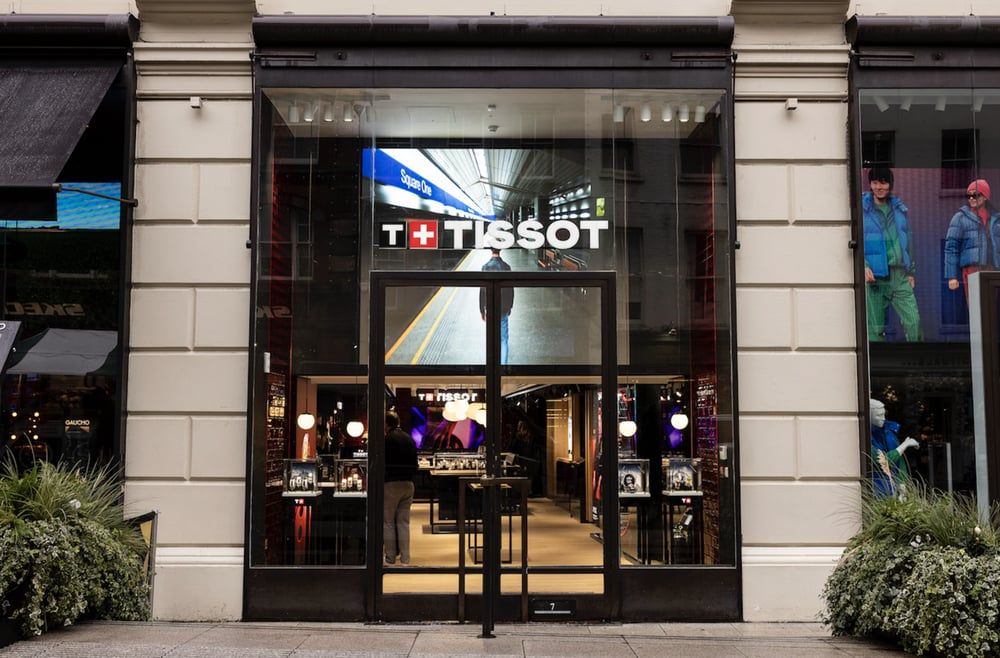
The economic repercussions of the tariffs have prompted direct intervention from the private sector. Last week, leaders from six prominent Swiss firms, including the chief executives of iconic watchmaker Rolex and luxury goods giant Richemont, met directly with US President Donald Trump. Their aim was to personally convey the severe toll these tariffs were taking on their respective companies and the broader Swiss economy. The current tariff rate poses a significant threat to entire sectors, particularly watchmaking and industrial machinery, but also extends to beloved products like chocolate and cheese.
Beyond the direct impact of the tariffs on their viability to export to the US, Swiss businesses also harbor concerns about competitive disadvantages. They note that competitors in other wealthy economies have secured more favorable terms: the neighboring EU and Japan have negotiated a 15% tariff, while Britain has managed to secure an even lower rate of 10%. This disparity further intensifies the pressure on Swiss exporters in the global market.