TM Lewin's Resilient Comeback: From Online-Only to Hybrid Retail Success
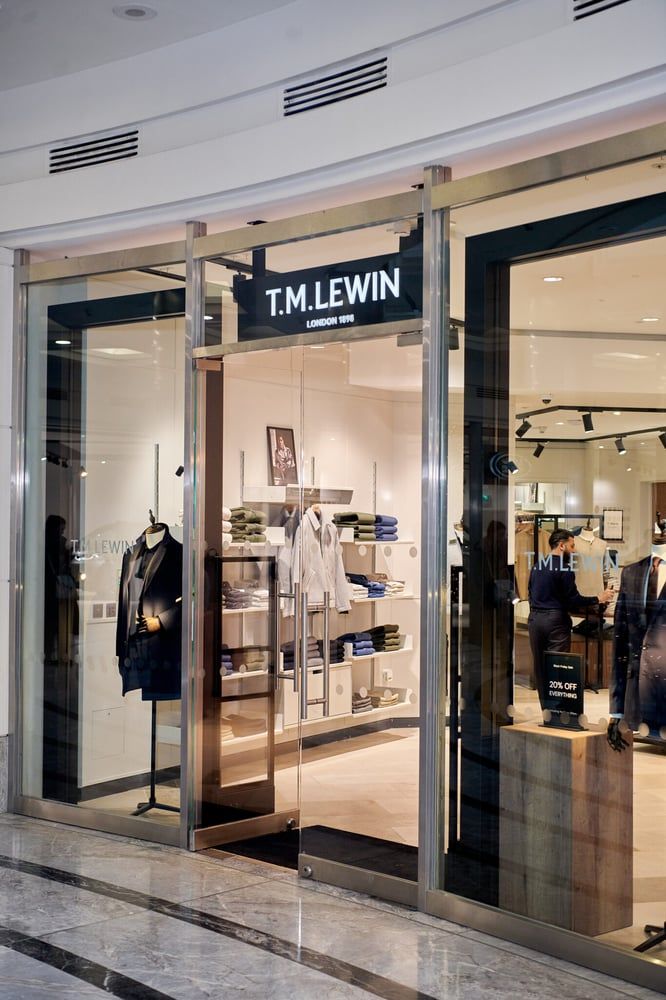
UK menswear label TM Lewin is making significant strides in its physical retail comeback, recently opening its second standalone store at 360-365 Cabot Square in London’s Canary Wharf. This follows the successful launch of its Bow Lane flagship earlier in 2025. The brand is also set to expand its footprint with a new outlet store opening at the O2 on November 28, marking a strategic return to the high street after a period of significant change.
The company’s journey has been one of resilience and transformation. Prior to the pandemic, TM Lewin faced challenges due to over-expansion, ultimately entering administration when Covid-19 struck. It was subsequently acquired and relaunched as an online-only business, with CEO Dan Ferris brought in to steer its recovery and lead it back to health. Ferris oversaw the online-only operation until this year, when the decision was made to strategically reintroduce physical stores.
A key aspect of TM Lewin's revitalisation is its evolved product strategy. While traditionally known for formalwear, the brand has adapted to new ways of working and dressing, introducing what it terms 'professional lifestyle' products. Smart-casual pieces, including rugby shirts, tees, and chinos, now account for approximately 25% of total revenue. Interestingly, T-shirts are a significant driver of casualwear sales, making up around 70% of the brand's more relaxed offerings. Chinos, though only 5% of casualwear sales, saw their sales double last month following an expansion of the range with new colours and fits, with further expansion planned for the next year.
Despite this shift towards smart-casual, formal clothing remains at the heart of TM Lewin. The opening of new full-price stores, particularly in financial districts like Canary Wharf, is expected to further boost these core sales. Suits, for instance, account for 30% of in-store turnover compared to 10% of online sales, highlighting the critical role of physical retail for this category. Furthermore, the company reports a 30% year-on-year increase in dinner suit sales, a clear indicator that formalwear’s relevance is far from over. With over 7,000 shirts sold and 30% of all sales being tailoring since the Bow Lane opening, the brand's dual strategy of offering both smart and casual options is proving successful.
CEO Dan Ferris confirmed this strategic pivot, explaining that the brand had to "re-identify what our customers, or what consumers generally, want." He acknowledged that while many still wear suits and shirts, the rise of hybrid workwear demands a wider spread of product types. TM Lewin has expanded its range to include versatile items like quarter-zip sweatshirts, which can be worn casually at home or dressed up for the office, thereby targeting a younger demographic in their 20s and 30s.
Ferris emphasised that a big part of the turnaround involved "resetting the brand" and making a 125-year-old heritage label relevant for the modern workplace. TM Lewin leverages its renowned shirt-making expertise and quality reputation to underpin its newer product lines, ensuring that even T-shirts and quarter-zip sweatshirts carry the same brand credentials developed over a century. The new stores play a crucial role in conveying this modernised heritage, with designs that juxtapose aged wooden floors against minimalist white walls, blending tradition with contemporary aesthetics.
The return to physical stores is vital, especially for formalwear. Ferris noted that formal clothing still constitutes about 60% of the brand’s business, significantly aided by the return to office. Selling suits online is challenging due to the need for a precise fit, making physical locations indispensable for customers to try on items before purchasing. While TM Lewin once had numerous stores, the current strategy is one of careful expansion. After Bow Lane and Canary Wharf, the brand plans to target other areas of London, as well as high-target regions like Manchester and Edinburgh, with intentions for another City location in Q1 next year. Ferris stressed that the aim is to avoid returning to the previous model of over-expansion.
Financially, TM Lewin has achieved a significant milestone, returning to profitability this year after addressing legacy issues and rebuilding its foundations. The online business remains a key growth driver, continuing its expansion and having successfully relaunched international trading last year. International sales now account for approximately 25% of the total, with Australia being the largest international market, followed by the US. The brand identifies three key growth levers for the next three years: expanding the 'professional lifestyle' product range, executing the UK retail rollout, and further international expansion.
Addressing potential challenges, Ferris acknowledged the impact of tariffs, particularly in the US market, where the brand has absorbed hits to its bottom line. Looking ahead, TM Lewin has set an ambitious growth plan to reach £50 million in turnover while maintaining profitability. This goal is set against a pre-pandemic turnover of £100 million, which was supported by a portfolio of 66 stores (down from an earlier 100). The current strategy is focused on sustainable growth, moving fast but ensuring it is done "right."