Trump Tariffs Spark Luxury Watch Resale Boom
The luxury watch market is experiencing a significant shift, driven largely by the US President Donald Trump’s 39% tariff on Swiss-made imports. This levy is pushing up prices for new luxury watches in America, prompting many consumers to seek alternatives in the secondary market. Consequently, values for used timepieces are beginning to inflate once more, though discerning buyers can still uncover deals by exploring less prominent brands and models.
The watch market has endured a volatile period over the last five years. A surge in interest during the pandemic led to soaring prices for popular models on the used market, as demand far outstripped supply and waiting lists for new watches grew. However, this boom was abruptly halted in spring 2022 by gyrating markets, collapsing cryptocurrencies, and spiking interest rates, which burst the secondary market bubble. This downward trend has now reversed, at least for leading privately held brands, with secondary watch prices rising 1.5% in the three months to September 30, marking the first clear pickup in values since Q1 2022, according to Morgan Stanley and WatchCharts. The Bloomberg Subdial Index, tracking the 50 most-traded models, also shows a 3.7% increase in dollar terms over the past six months.
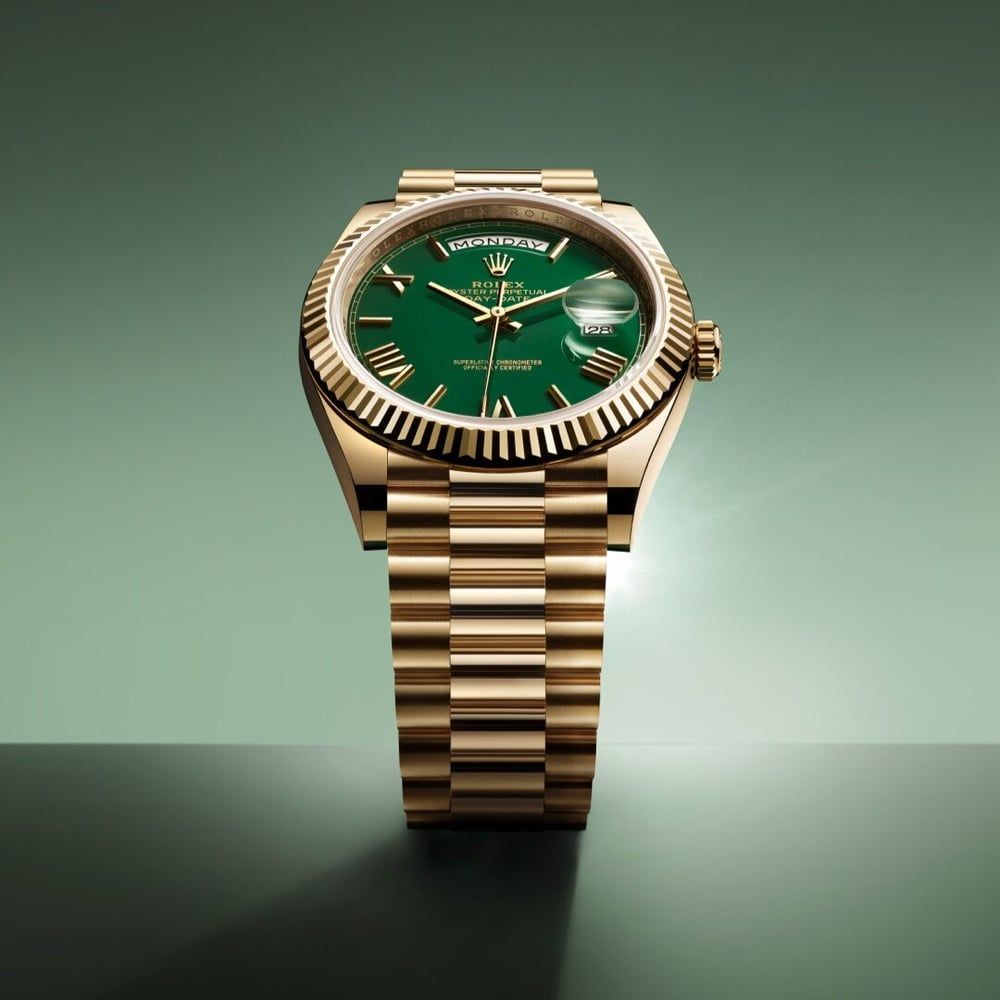
The impetus behind these secondary market gains can be traced back to the new watch market. The punitive Swiss tariff rate is compelling brands to raise prices in the US. Patek Philippe implemented a 15% hike in mid-September, while Cartier increased most models by 10%. Rolex, having already raised prices twice this year, is under close scrutiny for its next move. The impact of these increases has been partially cushioned by brands and retailers stockpiling inventory, but these extra supplies are expected to be exhausted by year-end, estimates Oliver Muller of LuxeConsult. This situation has led some affluent customers to quickly secure desired watches before price hikes, while others are "trading down," opting for steel or gold-and-steel models instead of full gold, a strategy facilitated by brands like Rolex offering similar options across different metals. Despite this, waiting lists for new watches continue to grow, particularly for highly sought-after Rolex sport models like the Daytona, Submariner, and GMT-Master.
A significant number of buyers are now turning to the used timepiece market as a direct strategy to circumvent the tariffs on new imports. This shift has led to a surge in secondary market activity this year, as reported by Subdial. With an increase in buyers and a largely limited supply of used timepieces already in the US, prices are stabilizing. Contributing factors also include the recent melting up of equity markets and cryptocurrencies (until recently), and a jump in gold prices. Moreover, a return of speculative interest, akin to the resurgence of meme stocks, seems to be playing a role, with the two-and-a-half-year slide in values having piqued collectors' interest, especially for the "big three" brands: Rolex, Audemars Piguet, and Patek Philippe. These brands, which account for approximately 60% of the secondary market, were at the forefront of the previous boom and bust cycle, and are now leading this year’s nascent recovery.
While the "big three" lead the charge, other prominent names also saw their secondary values increase in the third quarter. Cartier (Cie Financiere Richemont SA), Omega (Swatch AG), and TAG Heuer (LVMH Moet Hennessy Louis Vuitton SE) all experienced growth, according to Morgan Stanley and WatchCharts. Swatch saw the largest uplift, largely due to the success of its lower-priced MoonSwatch collection. However, a significant disparity remains across the secondary market. Rolex stands as the sole brand whose watches meaningfully trade above their new retail price, with an average premium of 15.7%, and even then, only about half of its currently produced models command such a premium. For Patek Philippe and Audemars Piguet, it is primarily the most-hyped lines—Nautilus and Aquanaut, and Royal Oak respectively—that trade above retail, with no other brand boasting more than a handful of models with secondary market premiums.
For buyers seeking value, numerous attractive opportunities persist on the secondary market. Cartier watches still in production, for example, are on average 31% cheaper than their new counterparts, making them a tempting option for those drawn to the brand's increasing popularity. Similarly, average prices for Omega and IWC models on the secondary market are approximately 40% below retail. This significant price differential explains the surge in transaction volumes for these three brands. Even storied names like Richemont’s Jaeger-LeCoultre, despite a 5.2% price decline in Q3, offer compelling deals, with most used models in its acclaimed Reverso line—dubbed the “It watch of 2025” by GQ magazine—trading substantially below retail.
The longevity of this momentum in the secondary market remains uncertain. However, without relief from the US tariff on Swiss goods, prices for new watches are highly likely to continue escalating. Prospective buyers considering a significant luxury watch purchase would be prudent to take note of these market dynamics, potentially exploring the secondary market for better value and immediate access to desirable timepieces.