Two Titans of Style: A Look at Fashion Agency Founders
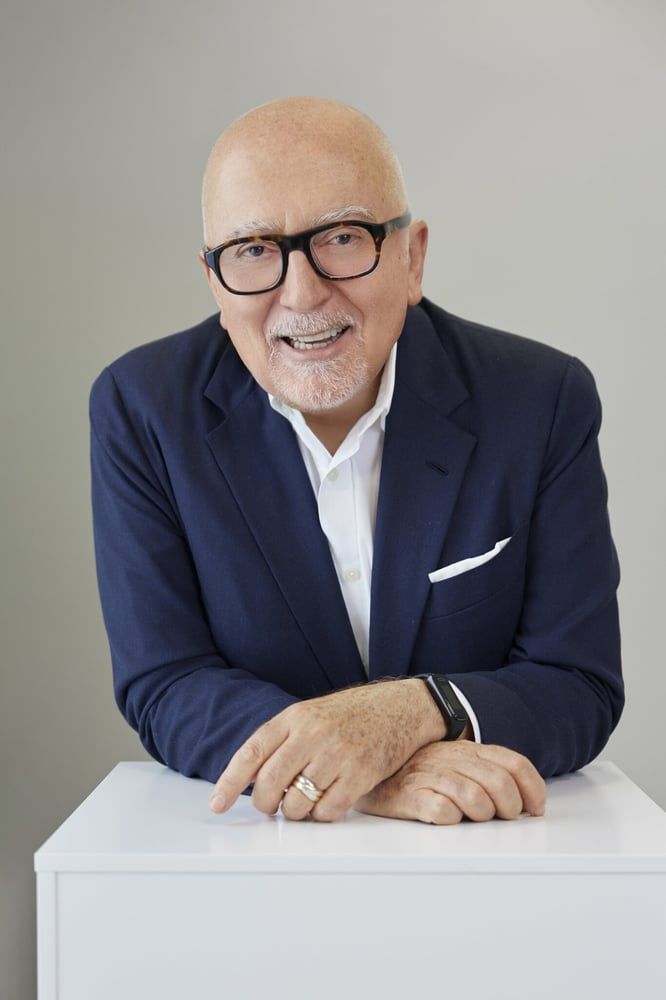
Reading “A Career in Fashion,” the autobiography of Bill Cunningham, evokes a sense of admiration and perhaps a touch of envy. Cunningham’s life was a remarkable journey, filled with reinvention and multiple chapters – from millinery and department store sales to a celebrated career as a street-style photographer, famously cycling through New York City in his signature blue jacket. The life of Fernando Rius, founder of the communications agency Area Comunicación Global in 1995, shares a similar quality of multifaceted experience.
A conversation with Rius quickly reveals a life equally rich in diverse experiences. He was instrumental in the launch and development of Cabás, considered Madrid’s first “concept store,” showcasing designers like Issey Miyake, Azzedine Alaïa, Francis Montesinos, and Adolfo Domínguez. He served as buying director at Loewe, working alongside Enrique Loewe, and contributed runway reports and designer interviews to the early editions of Vogue Spain.
For three decades, Fernando Rius has shaped Area Comunicación Global, a communications agency that, while maintaining a family-like atmosphere and boutique spirit, has expanded beyond Spain’s borders. With a team of fifty professionals and offices in Mexico City and Lisbon, in addition to Madrid, the agency is celebrating its 30th anniversary. Specializing in the luxury segment since its inception, FashionNetwork.com spoke with Rius about the past, present, and future of the industry.
FNW: How did the idea of creating a communications agency come about, at a time when the concept was relatively new in Spain?
Fernando Rius: I realized I possessed a comprehensive skillset, born from experience ranging from visual merchandising to brand buying, organizing trunk shows, writing for magazines, and producing fashion shoots. I understood the entire process, from fabric conception to final sale, including the crucial element of creating desire through publication. This accumulated over 18 years, and the logical progression was to establish a consultancy. That initial impulse has evolved over 30 years into what Area is today, though my early vision wasn’t as clear as it is now.
FNW: How did you acquire your first clients?
F. R.: It started with a referral in Italy. My contacts from Condé Nast led to an Italian team inquiring about handling communications for their brand. Initially, I wasn’t entirely sure what they expected, but I accepted. That brand was Tod’s, alongside Calvin Klein, who were embarking on a new phase. They commissioned me to organize an event in Madrid for the opening of their Ortega y Gasset boutique, with Kate Moss as the guest of honor.
I launched the agency with Tod’s and Calvin Klein, plus consultancy work for Loewe and Zegna. I collaborated with Spanish designer Roberto Verino, and began advising Roberto Torretta before his brand launch, ultimately seeing him debut on the Cibeles runway two years later. Following that came CityTime group, Ralph Lauren, Gucci, and Burberry. Over the years, the agency has grown, primarily within the fashion sector, but also expanding into lifestyle.
FNW: How have you maintained focus throughout this growth?
F. R.: We’ve been fortunate to work with fascinating clients – from premium spirits brands to handcrafted music boxes costing as much as an airplane. We’ve represented brands, products, and projects that have provided a unique perspective on luxury. We’ve collaborated with major houses, but always in close, almost familial settings, fostering direct dialogue with the brands and their creators. This has given us a privileged insight into the true essence of luxury, which isn’t simply about expense, but about understanding the culture, history, and craftsmanship behind each product.
FNW: The world of communication has drastically changed in the last 30 years, largely due to technology. How do you navigate this landscape?
F. R.: We’ve consistently adhered to the principles that guided the agency’s creation. We embrace technology, but don’t allow it to dictate our approach. We’ve been innovative – we established an office in the metaverse three years ago and conducted a “press day” with augmented reality during the pandemic, allowing journalists to virtually experience our offices and the world of fashion shows and showrooms. We now utilize artificial intelligence, but with a strict internal code of ethics, ensuring it complements, rather than replaces, human thought and the capacity for error.
FNW: Historically, Spain hasn’t been a major luxury market. What is it like to operate in this sector within the country?
F. R.: Spain is becoming increasingly interesting due to geographic, social, cultural, and economic shifts. Investment is growing, but Spain hasn’t historically been a significant driver of growth for major brands. We contribute our part, but we’re not comparable to markets like China, the UK, or the US. This perspective is valuable because it requires us to compete with those larger capitals, delivering results despite representing a small percentage of the big firms’ overall revenue. It fosters dynamism, efficiency, and lean structures, forcing us to be creative in a state of constant challenge.
FNW: Looking back at the last three decades, the sector and the economy have faced several crises. How have you navigated them?
F. R.: Area has weathered the September 11 attacks, the Lehman Brothers collapse, and the Covid-19 pandemic. That doesn’t guarantee immunity from future disruptions, but we’ve survived by adapting and remaining flexible. In 2014, I recognized the need to diversify risk and realized expansion within Europe or the US wasn’t feasible, given my client base. Seeing opportunities in Latin America, I explored the Mexican market in 2014 and established a subsidiary that has been operating for 11 years.
Mexico is a dynamic market, and it’s a humbling one – just when you think you’ve achieved something, you’re back to square one. It’s been a fascinating experience and, frankly, crucial to surviving challenges like the 2020 pandemic. We also maintain a small office in Portugal to facilitate connections between Iberia and Latin America.
FNW: With your experience, how do you view the current state of fashion and its near future?
F. R.: The future of fashion lies in prioritizing talent and acknowledging that the mass market is competitive, but needs to be continually inspired by the creative risks taken by true innovators. I believe fashion should return to dressing “immense minorities.” The sector is poised for a catharsis, with large groups needing to divest not of unprofitable brands, but of those they can’t effectively manage. We must empower creators, giving them the freedom to develop their ideas.
FNW: What is your vision for Area in the coming decades?
F. R.: Continued steady growth, seeking synergies, but always preserving our family environment and small structure. My motto is “think small,” because that’s where true creativity flourishes. I envision Area as a fundamentally humanistic project, where technology serves creativity, not the other way around. Ultimately, I hope Area will outlive me – that’s the future I aspire to.