UK claimants sue Johnson & Johnson for billions over alleged asbestos in talc powder
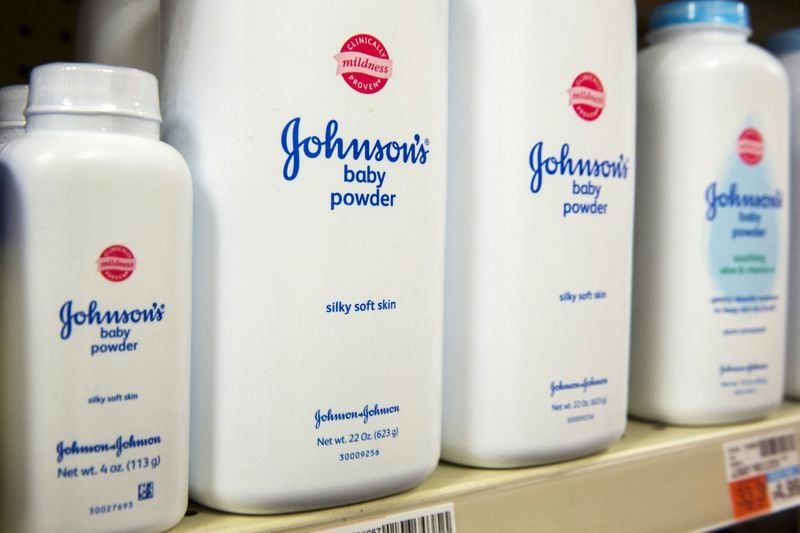
Thousands of claimants across the United Kingdom have initiated legal proceedings against the US pharmaceutical and cosmetics giant, Johnson & Johnson. These individuals allege that they, or a family member, developed severe cancers due to exposure to asbestos contained within the company's talcum powder products. This significant legal action, recently filed in the High Court in London, mirrors numerous similar lawsuits that Johnson & Johnson has faced previously in North America.
The law firm KP Law, representing approximately 3,000 complainants in Britain, estimates the total compensation claim to exceed £1 billion, equivalent to about $1.3 billion. The claimants contend that their diagnoses of ovarian cancer or mesothelioma are directly linked to their use of Johnson & Johnson's Baby Powder. The lawsuit spans a considerable period, from 1965 to 2023, asserting that the company was aware of carcinogenic fibers, including asbestos, in its talc products for over half a century.
KP Law further states that Johnson & Johnson deliberately kept these products on the market, prioritizing profit despite knowing the potential health risks. The firm highlights that Johnson & Johnson only withdrew its mineral talc products from the British market in 2023, a full three years after they were removed from shelves across North America, underscoring the perceived delay in protective action.
In response to inquiries regarding the UK claim, a spokesperson for Johnson & Johnson directed all questions to Kenvue, its former consumer health division. Kenvue separated from Johnson & Johnson in August 2023, and as part of that arrangement, it assumed responsibility and any purported liability for talc-related litigation outside of the United States and Canada. A Kenvue spokesperson vehemently defended the safety of J&J's Baby Powder, asserting that its quality is substantiated by years of extensive testing conducted by independent and leading laboratories, universities, and health authorities both in the UK and globally.
The Kenvue spokesperson further affirmed that the "high-quality cosmetic grade talc" used in the powder consistently complied with all required regulatory standards. They explicitly stated that the product "did not contain asbestos, and does not cause cancer," directly refuting the core allegations of the lawsuit. This stance aligns with the company's historical defense in similar cases.
This UK legal challenge follows a contentious period for Johnson & Johnson in the US. In April, American courts rejected the company's offer to pay approximately $8 billion over 25 years to settle around 90,000 civil complaints related to ovarian issues, an offer made without an admission of liability. The global health community also weighs in on the debate; the World Health Organization's cancer agency classified talc as "probably carcinogenic" for humans in July of the previous year. However, a summary of studies published in 2020, encompassing 250,000 women in the US, did not establish a statistical link between the use of talc on the genitals and the risk of ovarian cancer, illustrating the complex and sometimes conflicting scientific landscape surrounding the issue.