Uniqlo’s European Expansion Fuels Double-Digit Sales Growth
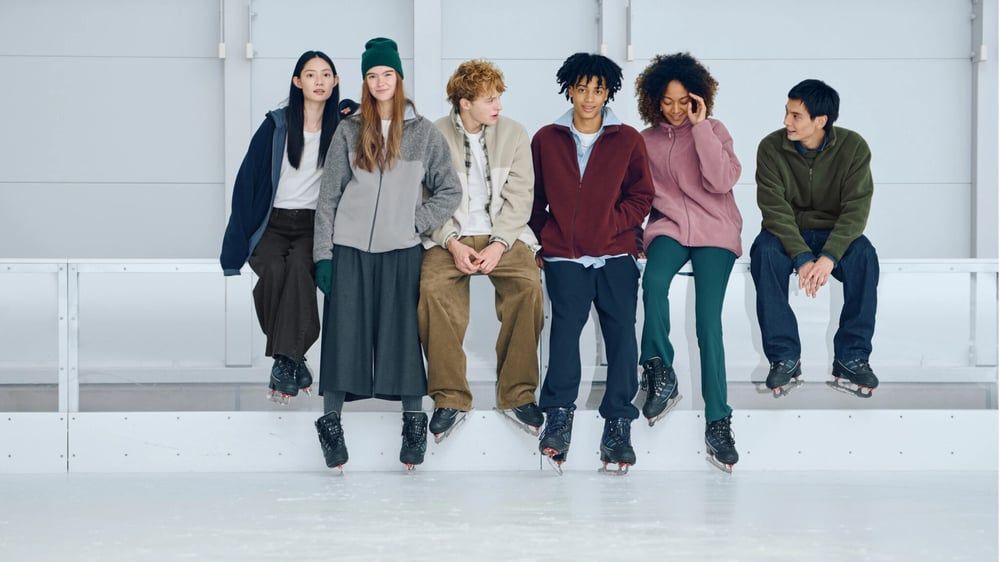
Uniqlo is demonstrably thriving in a challenging European apparel market, significantly outpacing its competitors. The Japanese retailer, the cornerstone of Fast Retailing, reported robust double-digit sales growth in Europe during its last quarter, a period where many other apparel companies are struggling.
The brand’s total sales reached nearly 1.028 trillion yen (€5.6 billion) for the first quarter of its financial year, ending in late November – a year-on-year increase of almost 15%. Europe stands out as the most dynamic region for the group, experiencing a surge of 34% in sales, aided by favorable exchange rates, reaching 134 billion yen (€730 million). This represents an increase in Europe’s contribution to overall sales, now exceeding 13% compared to 11% the previous year. This growth is coupled with a double-digit rise in operating income within the region, contributing to an overall operating income jump of nearly 34%.
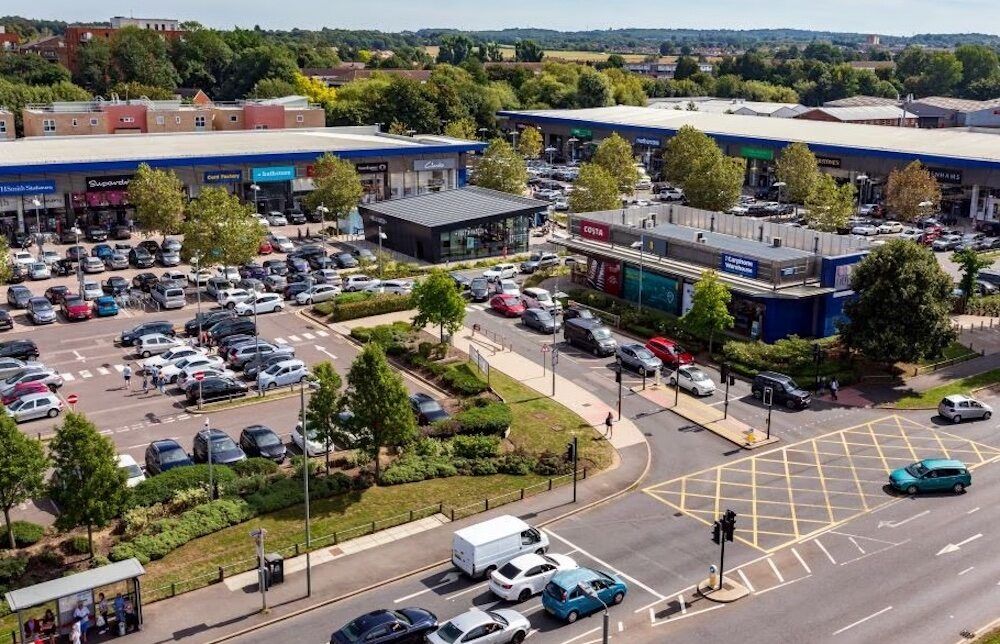
This positive momentum is fueled by a substantial marketing investment and a strategic expansion of its retail footprint. As of late November, Uniqlo operated 91 stores across Europe, having opened nine new locations during the September-November period. These included flagship stores in key cities like Brussels, Birmingham, Glasgow, Munich, and Düsseldorf. France also saw two new store openings during the quarter.
Data from Numerator’s Worldpanel study, presented in September, highlights Uniqlo’s growing popularity in France. The study revealed a more than 26% increase in transactions, reaching 4.4 million, positioning Uniqlo as the 47th most purchased brand in the country for 2025.
Yuki Yamada, Uniqlo’s managing director for France, emphasizes the brand’s unique appeal. “Our offer does not follow trends,” he explains. “Uniqlo is a benchmark brand that speaks to everyone, meeting real needs for practicality, versatility, simplicity, and minimalism, all inspired by our Japanese values.” He attributes the brand’s success to its loyal and growing customer base, underpinned by a consistent focus on design, quality, and value for money. This positioning, he believes, sets Uniqlo on a strong trajectory not only in Europe but also in key markets like the UK and Germany.
France currently represents Uniqlo’s largest market in terms of store count. The retailer is already benefiting from a well-established network, particularly in Paris, and continues to expand it. Recent developments include an 800-square-meter store in the Bastille district and plans for a 1,300-square-meter flagship near the Champs-Élysées, slated to open in the first half of 2026. These projects are part of a broader plan to open 15 stores across Europe in the financial year ending August 2026, with additional locations planned in the UK, the Netherlands, and Germany.
Paris and the surrounding Île-de-France region are considered particularly strategic due to their international visibility and high customer density. Uniqlo operates eleven of its thirty French stores in this area, recognizing its strong development potential. The company focuses on selecting locations with high foot traffic or lifestyle appeal, catering to both regular and local customers. Simultaneously, Uniqlo is expanding into regional areas, carefully assessing local needs and establishing stores where demand is strongest.
While Uniqlo aims to strengthen its presence in other European countries with less coverage, France remains central to its development strategy, adapting store formats to suit each city or district. The brand emphasizes local integration through creative partnerships and by showcasing the cultural and historical heritage of each location. Services like Re.Uniqlo Studio and UTme T-shirt printing further contribute to this approach, providing platforms for local creators and offering exclusive content to customers.
Uniqlo’s roadmap involves expanding into medium-sized cities while reinforcing its presence in major metropolitan areas. The Île-de-France region is a key driver of Uniqlo’s success in France, benefiting from both resident and tourist footfall, as well as the city’s international fashion status. However, growth in regional areas is also a priority, driven by targeted openings in cities demonstrating strong interest in the brand’s LifeWear offerings. Regional purchasing patterns are often influenced by weather conditions and tend to be more planned than in the Île-de-France region, though HEATTECH, AIRism, and seasonal collections remain consistently popular.
Importantly, Uniqlo notes that new store openings positively impact its online business, which already accounts for 20% of European sales. These openings create a “halo effect,” leading to double-digit sales increases in e-commerce within the surrounding area. The company prioritizes a seamless omni-channel experience, viewing its e-commerce site as its largest flagship store.
Yuki Yamada confirms the importance of this integrated approach, highlighting Click & Collect, fast delivery, stock visibility, editorial content, and technological integration as key components of their growth plan. With Uniqlo’s European business exceeding €2 billion in sales in its most recent financial year, ending in August 2025, France is poised to contribute significantly to the retailer’s continued success and the achievement of new records across the continent in 2026.