US lowers Swiss tariffs from 39% to 15% in new trade deal
The US government has finalized a significant reduction in tariffs on imported Swiss goods, lowering the duty from an initial rate of 39% to 15%. The Swiss government announced Wednesday that this new tariff ceiling would apply retroactively from November 14, 2025. This move resolves a major trade dispute that began when US President Donald Trump first announced the high 39% duties in August, shocking Switzerland with one of the steepest tariffs in his administration's global trade blitz.
Following the initial announcement in August, Switzerland immediately began negotiations for a better deal, with ministers and business leaders traveling to Washington to convince the Trump administration to reverse course. The efforts culminated in a framework agreement on November 14, where Washington and Bern agreed to bring the tariffs down to 15%. In return for the reduction, Switzerland committed to investing $200 billion in the US and agreed to lower import tariffs on certain fish and agricultural products from the US.
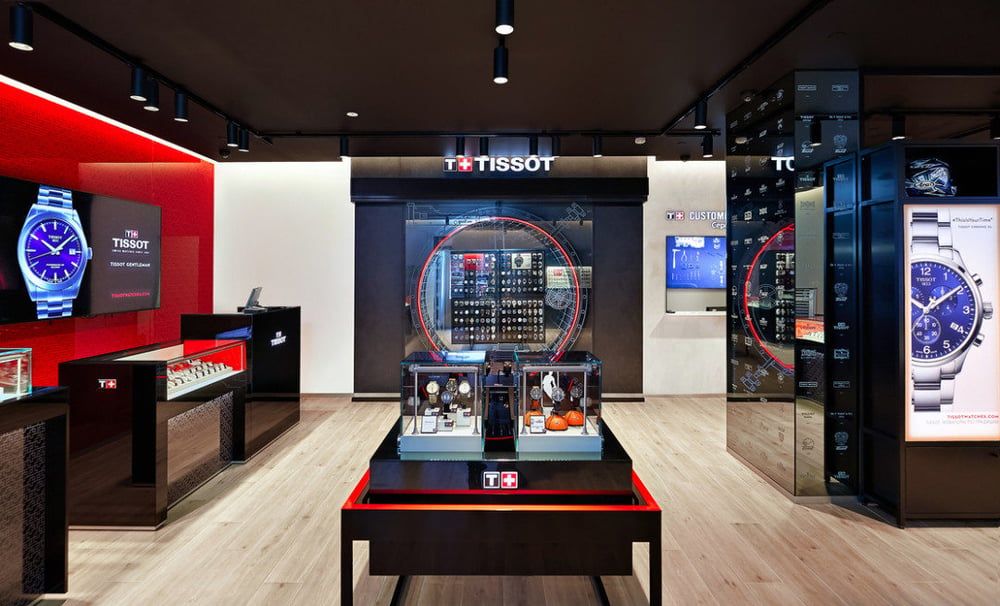
The original 39% tariff rate had jeopardized entire sectors of Switzerland's export-driven economy, including watchmaking, industrial machinery, chocolate, and cheese. The high duties led Bern to slash its 2026 growth forecast. Swiss businesses were also concerned about being undercut by competitors in other economies, noting that neighboring EU countries and Japan had negotiated a 15% tariff rate, while Britain had secured an even lower rate of 10%. The new 15% tariff ceiling aims to significantly improve access to the US market for Swiss companies and restore similar conditions for competitiveness as enjoyed by EU businesses and other trading partners with similar economic structures.
Despite the positive trade resolution, the negotiations have generated controversy regarding gifts allegedly given to President Trump by Swiss business leaders just ten days before the breakthrough deal was reached. Two Swiss lawmakers have requested that the country's attorney general investigate the legality of the gifts. The investigation request follows reports that a Rolex table clock and an engraved gold bar appeared on the president's desk after a delegation of Swiss business leaders, including Rolex chief executive Jean-Frederic Dufour and MKS PAMP head Marwan Shakarchi, visited Washington in early November. Prosecutors have been asked to determine if these gifts violated Swiss anti-bribery laws or constituted undue advantage under Swiss criminal law.