Uzbekistan Boosts Sustainable Cotton Push by Covering BCI Certification Costs
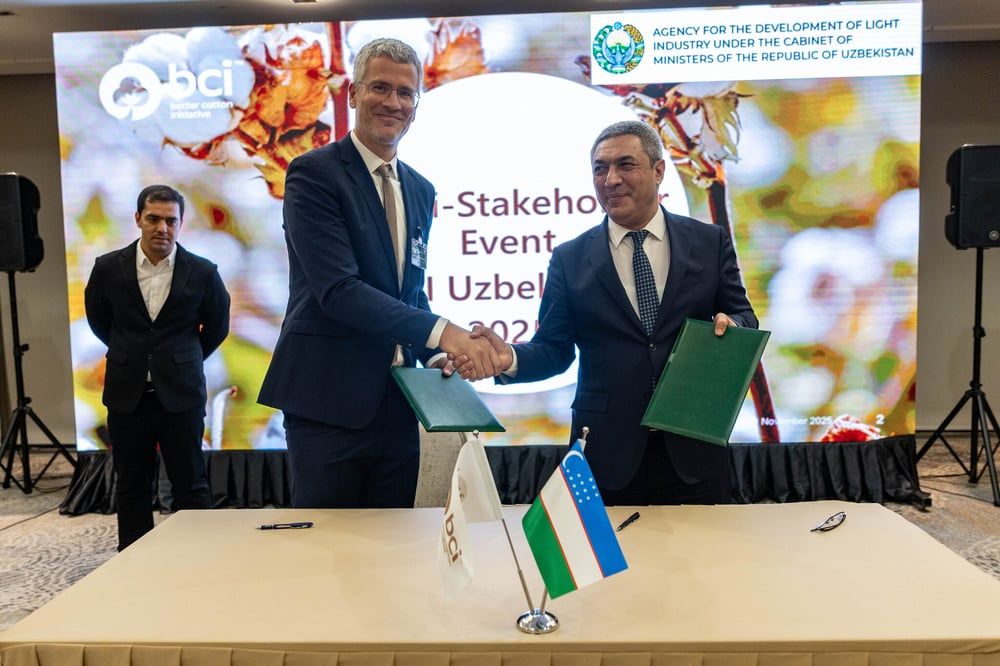
Uzbekistan, once a nation blacklisted due to pervasive child labor issues within its cotton industry, is set to significantly accelerate its transition to sustainable cotton production. The Better Cotton Initiative (BCI), a leading international organization promoting best practices in cotton cultivation, has announced that Uzbekistan will now cover the certification costs for farms and producers adopting BCI standards. This move is a crucial step towards integrating Uzbekistan more deeply into the global market for sustainably sourced cotton.
The new reimbursement scheme will be managed by the recently established Uzbekistan Light Industries Agency. This initiative forms a key part of a broader roadmap developed last year by the Uzbek Ministry of Agriculture and Uztekstilprom, Uzbekistan’s national association of textile and apparel industries. Katerina Gorbunova, who oversees BCI's program in Uzbekistan, highlighted the importance of this development, stating that "Certification costs can be a barrier to market entry, not only for cotton grower collectives in Uzbekistan, but also for farmers around the world." She further emphasized that "The creation of this grant scheme will be crucial for accelerating the industry’s efforts toward sustainable development," underscoring its potential to remove financial obstacles for local growers.
BCI's presence in Uzbekistan officially commenced in 2023, following a comprehensive test phase that began in 2017 with 12 major local cotton farms. The BCI certification label serves as a vital source of confidence for international buyers, signifying adherence to environmentally and socially responsible cotton cultivation practices. This engagement marks a significant milestone in Uzbekistan's journey towards ethical production.
Uzbekistan’s cotton industry has undergone a remarkable transformation in recent years, particularly concerning labor practices. Cotton Campaign, a global NGO that had been a long-standing critic of the Uzbek cotton industry, officially removed Uzbekistan from its blacklist on March 10, 2022. This decision followed a recognition by the International Labour Organisation (ILO) just days earlier, confirming that forced and child labor were no longer systemic issues in the country’s cotton harvest. These acknowledgments paved the way for international organizations like BCI to expand their operations within Uzbekistan.
Despite these advancements, vigilance remains essential. Cotton Campaign raised concerns last March regarding the rapid growth in Uzbek cotton exports. The NGO suggested that ambitious production targets set by the government might be leading local officials to resort to coercion and extortion to compensate for a shortage of voluntary cotton pickers. This highlights the ongoing need for robust monitoring and transparent practices to ensure sustained ethical conduct throughout the supply chain.
In terms of production, Uzbekistan continues to be a significant player in the global cotton market. According to Textile Exchange, the country produced 109,470 tons of cotton in 2024, with 3% of this volume being BCI-certified. The US Department of Commerce ranks Uzbekistan as the world’s eighth-largest cotton producer, underscoring its importance to the global textile industry.
Globally, 2024 saw a 19% decrease in cotton production. Despite this decline, cotton maintained its position as the second most produced fiber worldwide, accounting for 20% of global fiber output. However, it still lags considerably behind polyester, which holds a dominant 59% share of the market. This context further emphasizes the importance of initiatives like BCI's expansion in Uzbekistan, aiming to strengthen sustainable sourcing and ensure cotton's competitive edge in the global fiber landscape.