Western Brands See Cautious Optimism as China's Consumer Spending Shows Signs of Rebound
Top executives at Western brands operating in China are expressing cautious optimism that consumer spending in the crucial market is beginning to rebound after an extended period of downturn. Stéphane de La Faverie, CEO of Estée Lauder, indicated a building momentum, noting that the market is "starting to accelerate."
De La Faverie’s commitment to the region is evident through his three visits to China this year, focusing on vital business units that encompass brands like La Mer, Tom Ford Beauty, and Le Labo. The company is actively expanding its research and development lab in Shanghai and introducing more pop-up shops in Hainan, a key tourism hub where foot traffic has reportedly surpassed pre-Covid levels. Despite these positive developments, a full recovery is yet to be declared, with de La Faverie admitting, "There is still some caution on China."
Recent weeks have seen several North American and European companies report encouraging results from their China operations. In the beauty sector, Estée Lauder’s organic net sales in the region grew by 9% last quarter, while L’Oréal SA recorded a 3% increase. Luxury titan LVMH attributed part of its Asian growth to its fashion and leather goods lines in China. The footwear market also showed strength, with Adidas AG achieving double-digit growth and Crocs Inc. experiencing a mid-20% sales spike.
However, this growth largely stems from a low base following a challenging period for China's economy throughout 2024. The country has endured its longest stretch of economy-wide price declines since the late 1970s market reforms, compounded by a housing market crash that has stifled consumption as the impact of government stimulus measures faded. Retailers across both high-end and mass-market segments have faced significant sales slumps in diverse categories, from skincare to handbags and beverages, amid intensifying price wars despite regulatory calls for fair competition.
Beijing has pledged a substantial boost to domestic consumption over the next five years, aiming to reduce its reliance on exports. Yet, this goal faces considerable hurdles, including uncertainties in the job market and an ongoing real estate crisis. Michelle Cheng, co-head of Asia Consumer Research at Goldman Sachs, emphasized, "It remains to be seen whether this recovery will be sustainable. Any wealth effect that could meaningfully boost Chinese consumers’ sentiment would still fundamentally rely on the property market, and this sector is still weak."
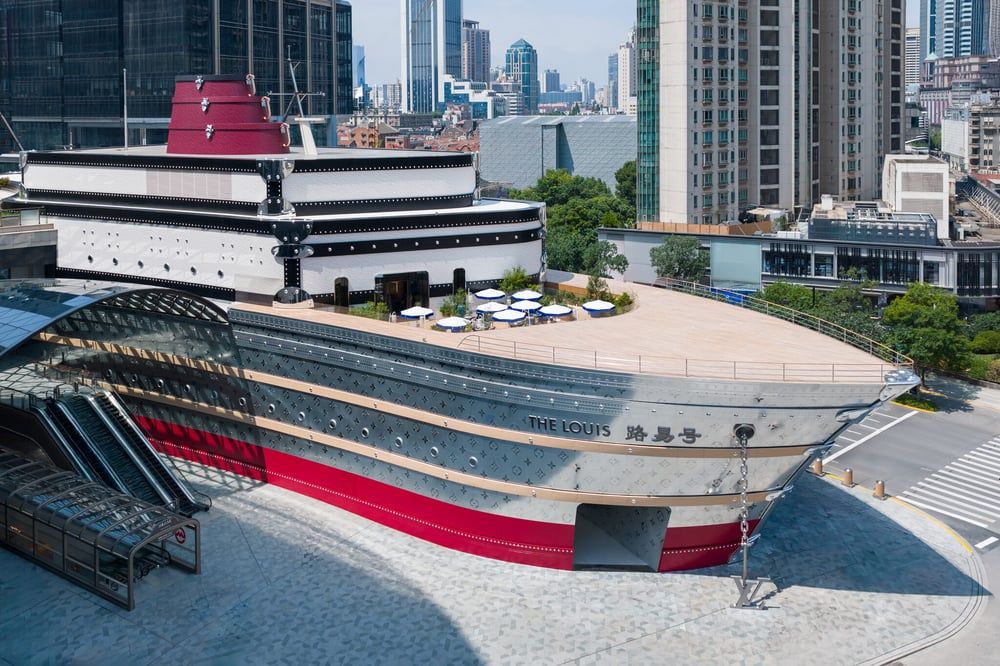
While executives at some of the world’s largest consumer goods companies are more bullish on China, they consistently caution that any long-term recovery remains in its nascent stages. LVMH executives informed investors in October about progress across all their brands in China, particularly Louis Vuitton, which recently unveiled an expansive flagship store in Shanghai featuring a restaurant and artistic exhibition. However, LVMH Chief Financial Officer Cécile Cabanis stated, "It’s true that we have been having very steep improvement for Vuitton. We consider it’s still going to take time until we have a rebound on China as a whole."
Similarly, Adidas CEO Bjørn Gulden expressed enthusiasm about the sportswear brand’s position in China, where it has been successfully promoting products like basketball shoes. Meanwhile, L’Oréal CEO Nicolas Hieronimus advised investors against excessive optimism but acknowledged a "slight uptick in consumer confidence" and market stabilization. L'Oréal, with its broad portfolio including Maybelline and Lancôme, saw gains across all channels, particularly in luxury. Hieronimus concluded with a note of ongoing prudence, remarking, "I’m always very careful about China. But overall, the market has gone into positive territory."