Woolworths Battles Consumer Woes as Clothing Revival Stalls
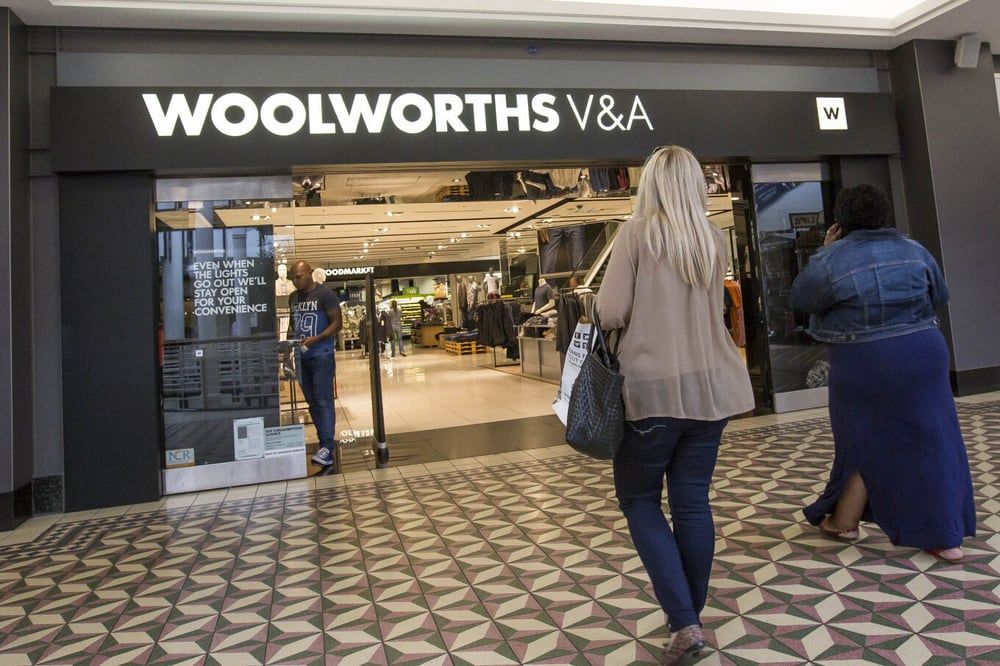
Woolworths Holdings Ltd. continues to navigate a challenging landscape as its efforts to revitalize its clothing unit are hampered by persistent consumer spending pressure in both South Africa and Australia. The Cape Town-based retailer recently reported a significant dip in its financial performance, underscoring the difficulties it faces in a tightening economic environment. This ongoing struggle has cast a shadow over its overall turnaround strategy, which aims to improve the performance of its key retail segments across its diverse markets.
For the fiscal year that concluded on June 30, the company disclosed a 5.8% reduction in its net income, which amounted to 2.44 billion rand, approximately $138 million. This decline was attributed to a confluence of factors, including the company's long-standing difficulty in establishing the optimal product mix within its South African home market. Furthermore, earnings were adversely affected by internal restructuring disruptions and a broader economic slowdown experienced in Australia. The market's reaction to this news was swift, with the group’s stock experiencing a fall of as much as 4.4% in early trading, positioning it as the largest decliner on the FTSE/JSE Africa All Shares Index by mid-morning in Johannesburg.
Despite the prevailing headwinds, Woolworths’ Chief Executive Officer, Roy Bagattini, offered a glimpse of optimism, highlighting improvements in the company's promotional efficiency. In a recent interview, Bagattini noted, “We are much more effective at the way we promote,” indicating a more refined and strategic approach to discounting. This shift suggests a conscious effort to maximize the impact of promotions and offers, ensuring they resonate more effectively with consumers without necessarily resorting to indiscriminate price cuts, especially crucial in an environment of weakened consumer demand.
Moreover, the company has observed positive developments in certain strategic areas. Woolworths reported an increase in revenue from its beauty category, despite it typically operating on lower margins. Concurrently, its focused efforts on growing the children's wear segment have also begun to yield encouraging results. Bagattini articulated the strategic rationale behind these shifts, explaining that the faster growth of lower-margin categories is not inherently detrimental. He clarified, “If you can grow even lower margin categories much faster, that’s actually a better business decision at the end of the day, because we don’t bank percentages, but we bank rands.” This perspective underscores a focus on absolute rand value and volume growth over percentage-based margin, aiming to generate greater overall profitability for the business.
In essence, while Woolworths continues to confront significant macroeconomic pressures and internal challenges, particularly within its clothing unit, management is actively implementing targeted strategies. The emphasis on enhanced promotional efficacy and the strategic prioritization of high-growth, albeit potentially lower-margin, categories such as beauty and children's wear, reflects a pragmatic approach to navigating a competitive and economically constrained retail landscape. The effectiveness of these strategic adjustments will be crucial in determining the pace and success of the company's ongoing turnaround efforts.