WOW's Gimeno on Revolutionizing Retail: Phygital, Local Charm, and the Future of the Store
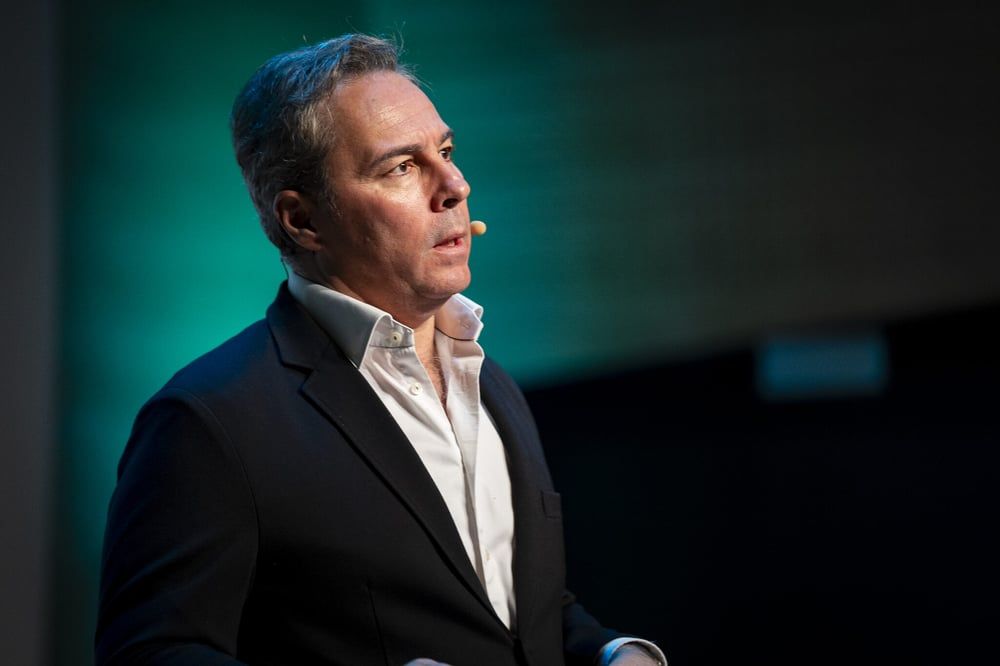
WOW, a pioneering department store concept, launched on Madrid’s Gran Vía in 2022, marking a significant entry into the Spanish capital's retail landscape. Following its successful debut, a second store opened on Calle Serrano in 2023. The company, founded by Dimas Gimeno, former president of El Corte Inglés, aims to achieve €30 million ($32 million) in sales by 2025, with profitability anticipated between 2026 and early 2027. Gimeno recently shared his insights on the future of retail and the specific challenges facing WOW at the 4th Aragonese Congress on Commerce and Innovation, where he was interviewed by FashionNetwork.com.
Gimeno believes that retail plays a fundamental role in defining a city's identity. He stresses the importance of focusing on local products, craftsmanship, and gastronomy to maintain this unique character in an increasingly uniform commercial world. Spain, he notes, is particularly well-positioned due to its extraordinary variety of local offerings and thriving indigenous brands, which are a major draw for tourists seeking authentic experiences.
Critiquing the prevalent "omnichannel" approach, Gimeno argues that it was misconceived as merely digitizing existing physical operations. He advocates for a shift towards "phygital" or "unified commerce," which starts with being "100% digital" and then designing the physical presence from that foundation. The core idea is to eliminate the distinction between physical and digital channels, recognizing a single, fluid customer journey where engagement happens constantly across various touchpoints. Customers, he explains, don't categorize their interactions; they might discover a brand on social media, buy online, and then be guided into a physical store, where true loyalty is forged and conversion rates are significantly higher.
The physical store, for Gimeno, is not just a complement but the future of retail. He asserts that a well-executed physical store, with its distinctive product propositions and passionate, technologically-equipped salespeople, can create an unparalleled shopping experience that digital channels cannot fully replicate. This tangible interaction, he believes, is key to competing with large online platforms. However, he also emphasizes that the prerequisite for unified commerce is a 100% online availability of the product range, a complex challenge many brands still struggle with.
For small businesses, which are crucial for a city's identity, Gimeno advises authenticity, uniqueness, and leveraging their invaluable personal customer relationships. Recognizing their limitations in technology investment, he proposes the creation of aggregated digital marketplaces, supported by public funding, to enable these smaller players to make their physical offerings purchasable online collectively. This collective digital presence would allow them to compete more effectively and maintain their local charm.
The "customer experience," a modern buzzword, is fundamentally about understanding and delighting the customer, a concept Gimeno says was intuitively understood even in the last century. It's a holistic combination of an appealing physical space, attentive and knowledgeable sales staff who might even recognize the customer, and the ability to inspire purchases beyond initial intent. The ultimate goal is to know the customer, provide the products they desire, and ensure their satisfaction and return.
The importance of skilled sales staff is paramount, yet Gimeno acknowledges the industry-wide challenge of attracting and retaining these profiles, similar to the hospitality sector. At WOW, the strategy involves a robust recruitment process, comprehensive training, motivation, and offering clear professional career paths within the company. This commitment to employee growth is essential to combating the perception of retail as a transient job.
Reflecting on WOW's journey, Gimeno admits a significant "learning curve" in translating its unique and innovative concept into profitability. While the ambition remains unchanged, understanding the economic model has been a key focus over the past three and a half years. WOW anticipates achieving profitability by late next year or early 2027. The company's growth strategy remains anchored in physical stores, with Barcelona being a prime target in Spain, but its "big bet" is digital expansion, which offers a more cost-effective and lower-risk approach to entering new markets. The online channel, powered by Shopify after a technology platform change, is growing strongly, projected to account for over 15% of the business by 2026 and significantly more in the long term. WOW currently ships within the European Union, with plans for broader international expansion in 2026.
Comparing its two Madrid stores, Gimeno notes that Serrano, being larger and having a more recurrent customer base, currently delivers quicker results and higher turnover. Gran Vía, however, is proving "surprising" with its eye-catching presence and growing product range, benefiting from the boom in its retail corridor. The company's product curation strategy has also evolved. Initially focused on high-priced luxury and semi-luxury brands, WOW has adapted its assortment to a more profitable, commercial format. This shift was driven by the purchasing models of luxury brands, which often required buying merchandise outright, impacting profitability. The focus remains on curating a range of "different, innovative brands that can't be found in physical stores," regardless of price point, as this unique value proposition is central to WOW's identity.