Zalando Beauty Launches in Spain Building on Fashion Success
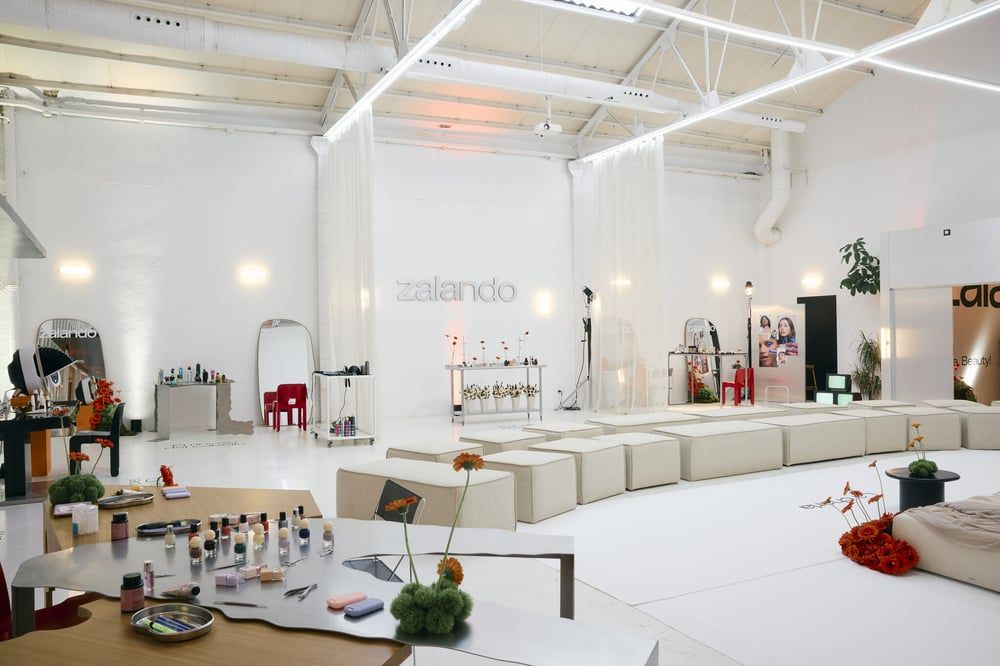
Zalando Beauty has officially made its debut in the Spanish market, marking a significant expansion for the German online platform. This launch is described as "strategic," as Zalando broadens its product range in Spain to include a comprehensive beauty offering. Local customers now have access to a wide array of products encompassing facial, body, and hair care, nail care essentials, make-up, and fragrances.
With its entry into Spain, Zalando Beauty is now available in 14 markets, underlining the company's aggressive growth strategy in the Iberian Peninsula, following its recent launch in Portugal. Eloisa Siclari, Zalando's General Manager for Southern Europe (Spain, Italy, and Portugal), emphasized the importance of this move during the presentation of Zalando Beauty in Madrid. She stated, "This is a great opportunity for organic growth, in line with the strategy we are following to be a leading platform and destination for Spanish consumers in fashion and lifestyle."
Siclari further elaborated on the strategic rationale, highlighting that Zalando's experience in 13 other markets demonstrates that beauty offerings build customer loyalty, increase share of spend, and boost overall engagement with the platform. After 13 years of operating in Spain, the timing was deemed opportune to grow not only with customers but also with the brands and partners Zalando collaborates with. This launch represents a natural evolution of their relationship with the Spanish consumer base.
To ensure a successful rollout and resonate with the local market, Zalando Beauty has strategically partnered with Spanish brands. An example given is 3ina, a firm celebrated for its cruelty-free products, vibrant use of color, and accessible price points. Siclari stressed Zalando's commitment to being "Spanish in Spain," which transcends a mere slogan to become a core growth strategy. This involves offering products that align with local trends and demands, necessitating strong collaborations with indigenous partners.
The Italian executive underscored the power of the Spanish fashion market, characterized by strong local pride and top-tier design talent. Therefore, "being Spanish in Spain" also signifies a commitment to quality. Zalando's approach focuses on cultivating relationships with iconic, prestigious labels and cult products rather than simply accumulating a high volume of brands, ensuring a curated and high-quality offering.
Zalando views its collaboration with brands as a dynamic, two-way relationship that extends beyond transactional exchanges. In its business-to-business (B2B) interactions, the company aims to be a strategic partner, actively supporting brands in their international growth endeavors. The German e-commerce platform, present in 26 countries and serving 52 million users, provides unparalleled visibility, acting as a global showcase for labels to reach markets they might not typically access.
Internal figures from Zalando reveal a compelling synergy between beauty and fashion purchases, with 70% of customers buying beauty items also adding fashion products to their baskets. This statistic reinforces Siclari's point that beauty serves as a crucial "entry point" for many consumers, driving broader engagement across Zalando's extensive product categories.
Despite the strategic advantages, Zalando encountered certain barriers when introducing its beauty division in Spain. Virginie Duigou, Head of Beauty Buying at Zalando, identified "exclusivity with some retailers" as a primary challenge, referring to existing agreements between national and international brands and other retail chains. Zalando addresses this by actively approaching U.S. brands, offering expertise in navigating the fragmented European market beyond the UK. Another effective strategy involves focusing on niche product categories, such as Korean beauty, to bypass broader exclusivity issues.
Duigou also highlighted the critical role of content creators in driving business growth and fostering consumer identification, particularly among Generation Z. This demographic is predominantly digital, with 70% of them purchasing online or via apps, including beauty products. She humorously noted their willingness to buy fragrances without even smelling them, illustrating their comfort with digital commerce.
During the presentation, Duigou outlined several key trends anticipated to shape the beauty sector. These include a growing preference for minimalist routines, the demand for convenient beauty-on-the-go products, make-up formulations with integrated skincare benefits, and in fragrances, the emergence of highly creative bottles alongside gourmet and almost "edible" scents.
Founded in Berlin in 2008, Zalando continues to demonstrate strong financial performance. According to its latest published figures, the company reported revenue of €2.835 billion in the second quarter of 2025, alongside a net profit of €96.6 million for the same period.