Zara Unveils Revolutionary Manchester Store Merging Tech Fashion and Personalized Design
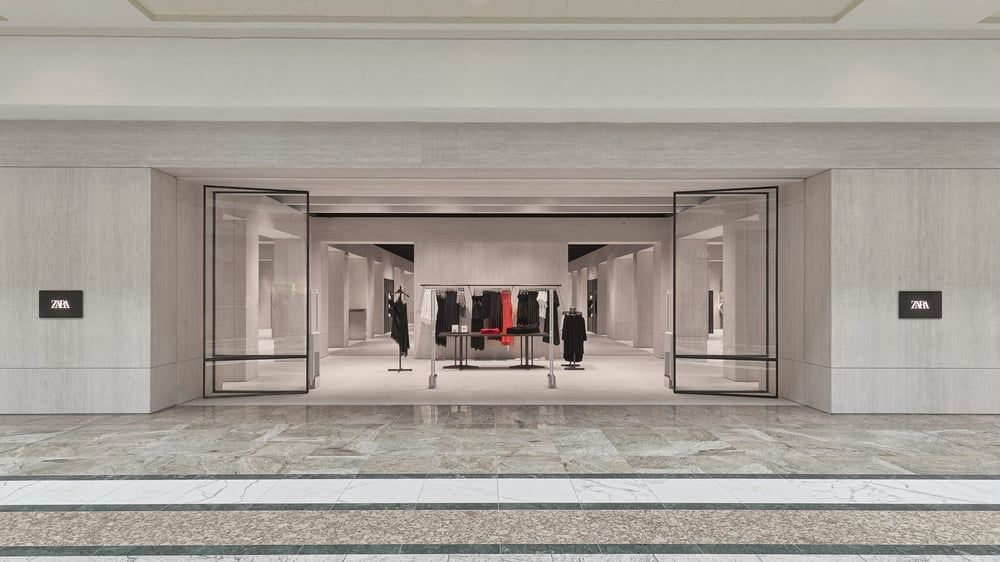
Zara has recently unveiled its groundbreaking new store concept at the Trafford Centre in Manchester, England, marking a significant step in retail innovation. This flagship location, owned by Inditex, has undergone an extensive renovation, expanding its commercial footprint by an impressive 40% to 4,800 square meters. The refreshed layout introduces a sophisticated blend of personalization and cutting-edge retail technology, aiming to redefine the customer shopping journey in a physical space.
The substantial expansion of the store has also led to a significant increase in its workforce, growing by 40% to now employ 270 individuals. This investment underscores Zara’s unwavering commitment to delivering an immersive retail experience that seamlessly integrates fashion, advanced architecture, sustainable practices, and customer-centric technology into a cohesive and unified environment, setting a new benchmark for the brand's global presence.
A distinctive hallmark of this new concept is the design philosophy that treats each section as an autonomous unit. While maintaining a harmonious design language throughout the entire space, distinct visual cues differentiate areas for women's, men's, and children's fashion collections. This approach creates a uniquely differentiated shopping experience that feels personalized yet remains intrinsically connected to Zara’s overarching brand identity. Furthermore, dedicated zones have been thoughtfully introduced for specialized product lines, including perfumes, the exclusive Zara Origins collection, and the performance-oriented Zara Athleticz range.
The architectural vision behind this project was meticulously crafted by Zara’s dedicated in-house team. They conceived the store as a series of interconnected rooms, each boasting a refreshed layout, updated displays, and a refined, immersive atmosphere designed to engage shoppers. Zara described the space as "a neutral container, layered with modular and lightweight architectural elements, configuring each section as an independent unit within the whole," a concept developed from extensive customer research to highlight the uniqueness of each room while maintaining a unified narrative. Key to this design is its inherent flexibility and rapid adaptability.
Furniture also plays a crucial strategic role in defining these boutique-style spaces. A carefully curated mix of materials such as warm wood, sleek steel, elegant ceramic, and luxurious marble is employed to create visual harmony and tactile richness. Special zones are strategically designed to highlight specific product categories like footwear and handbags, alongside lifestyle lines such as Zara Athleticz, with displays positioned to capture visibility even from outside the store, drawing customers in.
The store’s striking façade visually echoes the interior’s innovative layout. It thoughtfully divides the women’s, men’s, children’s, and TRF sections into clearly marked zones, each with its own separate entrance and distinct visual treatment, giving the impression of almost independent boutiques. Inside, the layout is meticulously planned to support seamless navigation, ensuring customers can effortlessly transition between all departments. A prominent "portico, featuring the main logo, anchors the overall concept and visually unites each section," Zara explained, while a newly redesigned shopping and returns area promises a faster, more personalized customer journey.
As the Spanish brand celebrates its 50th anniversary, its drive for tech-driven retail innovation remains a core focus. The primary objective is to significantly enhance the customer experience by integrating smart solutions that allow staff to dedicate more time to meaningful customer interaction and less to routine operational tasks, fostering a more engaging and human-centric service model.
Among the key technological features introduced are smart sales tables. These innovative tables empower customers to place selected items directly onto the surface and complete their payment using a card or mobile device, thereby streamlining the checkout process significantly. For customers preferring cash payments, Zara has also rolled out a new version of its assisted checkouts, featuring an upgraded design for enhanced usability and efficiency.
Beyond the front-end, the store incorporates advanced back-end efficiency systems. An automated sorting and replenishment system efficiently processes both fitting room returns and online order returns. This intelligent system automatically identifies each item and accurately redirects it to its proper section for immediate restocking, significantly reducing manual effort and potential errors.
Furthermore, the Manchester location is piloting an exciting project that leverages this same automation technology to expedite the receipt of new merchandise. This cutting-edge integration results in faster and more precise restocking of products onto the sales floor, ensuring that customers always have access to the latest collections with unprecedented speed and accuracy.